

What decides the answer
-
Plain milk from Halal animals
Halal -
Flavoured/speciality milks: verify additives
-
Plant-based 'milk': separate product check
-
Cadbury Dairy Milk chocolate: different page/brand
Where you'll find it
- Drinking milk
- Tea and coffee
- Cooking and baking
- Yogurt, cheese, and butter production
Why this ruling
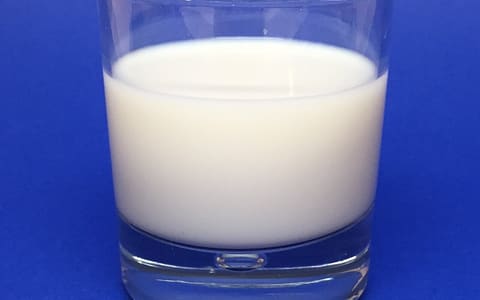
Milk is the nutrient-rich liquid produced by mammary glands of mammals. The grocery staple is usually cow's milk, with goat, sheep, buffalo, and camel milk common in other regions. Composition is mostly water with fat, protein (casein and whey), lactose, and micronutrients. In Islamic law, milk from Halal animals is Halal—a foundational dairy ruling that also underpins butter, cream, yogurt, and ghee.
Why plain milk is Halal
Milking does not kill the animal and does not resemble the forbidden categories of carrion, blood, or swine flesh. Qur'an 16:66 names pure, palatable milk from grazing livestock as a provision for drinkers (quran.com/16/66, retrieved 2 August 2026).
Practical rule:
- White milk from a Halal species → Halal.
- Flavoured, fortified, or ultra-processed dairy drinks → read the extras.
Milk in the UK, and milk that isn't Halal
Plain milk in a UK supermarket needs no Halal logo. Tanveer Parkar of AHDB, the levy body for British dairy farmers, said in 2025 that milk itself is inherently halal, while processing, handling and added ingredients can affect a dairy product's status.[6] Breed doesn't change that: Darul Uloom Deoband ruled Jersey cow milk Halal because an animal follows its mother, and the mother is a cow.[4]
The milk that is not Halal comes from animals Muslims may not eat. Hanafi texts quoted by Mufti Online rule donkey milk not Halal because milk is produced from the animal's flesh and takes its ruling;[5] the same reasoning covers pig milk. Neither is sold as everyday milk.
What pasteurization and inspection mean
Public health systems regulate milk safety and identity. In the United States, 21 CFR § 131.110 defines milk as a food standard (eCFR via Cornell LII, retrieved 2 August 2026)—pathogens and composition, not Halal certification. Halal marks on dairy, when present, come from Islamic auditors such as those searchable via JAKIM's portal in Malaysia (MYeHALAL, retrieved 20 July 2026).
Flavoured and speciality milks
Risk is concentrated in add-ons:
- Chocolate/strawberry syrups — colours (including carmine in some markets), gelatin thickeners (uncommon but possible), flavour carriers
- Protein shakes sold as milk drinks — enzymes, collagen, creatine blends
- Lactose-free milk — lactase processing is usually microbial; strict consumers may still prefer known brands
- Eggnog-style seasonal milks — sometimes alcohol-named flavours
Organic, A2, grass-fed, and raw-milk marketing claims do not change the Halal baseline of the dairy itself; they also do not magically certify every flavour product.
Plain milk and flavoured milks
- Plain milk from Halal livestock: Permissible without zabiha (milking is not slaughter). Qur'an 16:66 anchors milk of grazing livestock as pure provision (quran.com/16/66, retrieved 2 August 2026).
- Flavoured / speciality milks: Not a species dispute; additive and processing checks (carmine, gelatin, alcohol flavours, enzymes). Plant “milks” are separate products.
Do not confuse brand names
Cadbury Dairy Milk is a chocolate bar. It is not a carton of milk. See the brand page Dairy Milk for emulsifiers and regional certification. Likewise, Milky Way is candy, not dairy guidance.
Plant 'milks'
Oat, soy, almond, and rice drinks are plant beverages. They are typically Halal when ingredients are plant and additives are clear, but they are not dairy milk and do not inherit dairy fat rulings in reverse. Judge each carton on its own list.
Realistic verification
- Everyday plain milk: drink with confidence from Halal species.
- Flip flavoured cartons every time recipes change.
- Keep meat zabiha questions off the milk carton.
- Use brand chocolate pages for candy named 'milk.'
- When traveling, local fortification vitamins and flavours may differ—re-read once.
Powdered, condensed, and coffee-shop milk
Powdered milk, evaporated milk, and sweetened condensed milk are still dairy when made from cow or other Halal-animal milk. Watch sweetened condensed cans for additives, and watch coffee-shop 'milk' pitchers that may be oat blends, lactose-free enzymes, or leftover pitchers shared after non-Halal syrup pumps. Espresso drinks are usually fine with plain steamed milk; seasonal sauces (eggnog, liquor-named caramel) are where alcohol flavourings appear. Ask for plain milk and separate syrups you have checked.
School and hospital cartons of plain white milk remain among the simplest Halal grocery items available. Spend your scrutiny budget on cheese enzymes, flavoured yogurts, and chocolate bars that borrowed the word 'milk' for branding—not on the everyday pint of pasteurized whole milk from a Halal species.
How to verify
- Plain pasteurized cow/goat/sheep milk is Halal.
- On flavoured milks, read for gelatin, carmine, alcohol flavour, and animal enzymes.
- Lactose-free milks: confirm processing aids if your standard is strict.
- Do not confuse dairy milk with Cadbury Dairy Milk chocolate—that is a brand bar.
- Plant milks (soy, oat, almond) are separate products—usually Halal but check additives.
Frequently asked questions
Is milk Halal?
Does milk need to be from a zabiha-slaughtered cow?
Is milk in the UK Halal?
What milk is not Halal?
Does the breed of cow matter?
Are chocolate and strawberry milks Halal?
Is Cadbury Dairy Milk the same as this page?
Are oat and almond milk Halal?
Is raw milk Halal?
Scholarly view
Classical fiqh treats milk of Halal livestock as permissible without slaughter. The animal must be a Halal species; milk from swine is irrelevant to Muslim grocery aisles. Contemporary Halal audits of dairy plants focus on flavourings, vitamin carriers, shared lines, and enzymes in speciality drinks—not on whether cow's milk itself is allowed. Infant formula and medical nutrition products are specialized and should be checked by label and clinical need.
Sources
Named Islamic, certifier, manufacturer, and regulatory sources used on this page. Inline markers like [1] jump here. Retrieval dates show when we last checked the live URL. Editorial methodology.
Islamic / scriptural
-
Qur'an 16:66 (pure milk from cattle)
Qur'an Retrieved
Names pure, palatable milk from grazing livestock as a divine provision — classic dairy permissibility anchor.
-
Is it permissible to consume milk and meat from a Jersey cow? (Fatwa 1415/944/L=11/1434)
Darul Ifta, Darul Uloom Deoband (via IslamQA.org) Retrieved
Animals follow their mother in lawfulness: the mother of a Jersey cow is a cow, whose milk and meat are halal, so the Jersey cow's milk and meat are halal.
-
Mufti Online (via IslamQA.org) Retrieved
Hanafi. Donkey milk is not halal; the cited texts (al-Fatawa al-Hindiyyah, al-Durr al-Mukhtar, Majma' al-Anhur) give the reason that milk is produced from the flesh and takes its ruling.
Certifier / jurisdiction
-
Retrieved
Regulatory / labelling
-
U.S. FDA (via eCFR) Retrieved
US standard of identity for milk — food-identity/safety framing, not a Halal fatwa.
Context / background
-
Halal export requirements for British dairy come under spotlight
FarmingUK Retrieved
12 February 2025. AHDB senior market access manager Tanveer Parkar: 'While milk itself is inherently halal, the way it is processed, handled, and the ingredients added can affect its halal status.'
.jpg)