Is Creatine Halal?
Yes — this one is Halal.
Creatine is a compound the body makes from the amino acids glycine and arginine, and it is found in meat and fish.
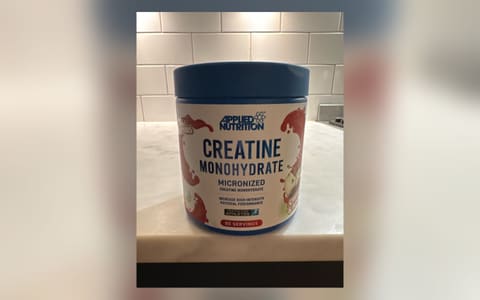
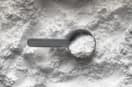
Photo: Open Food Facts contributors · CC BY-SA 3.0
What decides the answer
-
Creatine monohydrate powder, plain or flavoured
Halal -
Creatine with a vegan or Halal mark
Halal -
Creatine tablets or capsules
read the list for gelatine
Where you'll find it
- Strength and gym supplement
- Unflavoured powder mixed into shakes
- Flavoured powders, tablets and capsules
Why this ruling
Creatine is a compound the body makes from the amino acids glycine and arginine. Its name comes from the Greek for meat, where it was first found.[1] As a gym supplement it is sold mostly as creatine monohydrate powder.
Where supplement creatine comes from
Creatine occurs in meat and fish, but supplements are not extracted from them. Creatine monohydrate is made from raw materials with no animal origin, which is why it is suitable for vegetarians and vegans.[1] Myprotein's creatine monohydrate, for example, carries the Vegan Society trademark on the pouch.[2] So there is no slaughter question, and creatine does not intoxicate.
Flavoured powders
Flavoured creatine adds a few things to the base. Applied Nutrition's cherry and apple tub lists creatine monohydrate, citric and malic acids, natural flavouring, sucralose, silicon dioxide and beetroot red. The tub says it is produced in a Halal-accredited facility, which is a claim about the site rather than a Halal mark on the product.[3] Nothing on the list is of animal origin.
Tablets and capsules
Creatine also comes as tablets and capsules. The creatine is the same; the shell or binder is what to check. If the list includes gelatine, the usual question of its source applies; see Gelatin. Powders avoid it. For other gym products, see Whey powder and Protein bars.
How to verify
- Plain creatine monohydrate: one ingredient, no animal source.
- Flavoured powders: acids, flavouring, sweeteners and plant colours raise no question.
- Tablets or capsules: read the list for gelatine.
- A vegan mark, or a Halal mark on the tub, settles it.
Quick checks
- Creatine monohydrate: no animal source.
- Flavoured powders: acids, sweeteners, plant colours.
- Capsules and tablets: check for gelatine.
Frequently asked questions
Is creatine Halal?
Is creatine made from animals?
Is creatine haram?
Scholarly view
Creatine is permitted because of what it is made from. Supplement creatine monohydrate is synthesised from raw materials of no animal origin, so no slaughter question arises, and it does not intoxicate. The only thing to watch is the form: a capsule or tablet can add gelatine, which carries the usual question of its source.
Sources
Named Islamic, certifier, manufacturer, and regulatory sources used on this page. Inline markers like [1] jump here. Retrieval dates show when we last checked the live URL. Editorial methodology.
Manufacturer / product
-
Myprotein Creatine Monohydrate (barcode 5055534364932)
Open Food Facts (pack photo) Retrieved
Ingredient: creatine monohydrate. The pouch carries the Vegan Society trademark (checked on the pack photo).
-
Applied Nutrition Creatine Monohydrate, Cherry and Apple (barcode 5056555202128)
Open Food Facts (pack photos) Retrieved
Creatine monohydrate, acid (citric acid, malic acid), natural flavouring, sweetener (sucralose), anti-caking agent (silicon dioxide), colour (beetroot red). 'Final products are produced and packaged in an ISO 22000, BRC, GMP & Halal accredited laboratory.' Manufactured in the UK.
Context / background
-
Wikipedia Retrieved
Made in the body from glycine and arginine; named from the Greek for meat. 'Creatine monohydrate is suitable for vegetarians and vegans, as the raw materials used for the production of the supplement have no animal origin.'
People also check
Related ingredients and products for this item.