
Are Energy Drinks Halal?
Yes — this one is Halal.
Most mainstream energy drinks use caffeine, amino acids (often synthetic taurine), vitamins, sweeteners, and flavours.
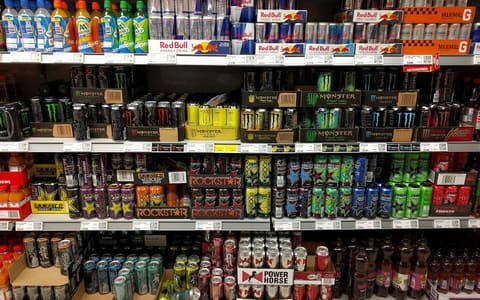
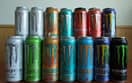
Photo: AlienFood · CC BY-SA 4.0
What decides the answer
-
Base energy-drink chemistry is typically Halal (caffeine, synthetic taurine, vitamins).
-
Novelty flavours and imported products need a separate ingredient check.
-
Certification varies by brand and country.
Where you'll find it
- Red Bull, Monster, Rockstar, Celsius, Prime Energy
- Pre-workout and gaming drinks
- Sugar-free variants
Why this ruling
Energy drinks—the caffeinated, taurine-charged category Red Bull built and Monster, Rockstar, Celsius, and Prime now crowd—generate more Halal myths per can than almost any product. The good news: most myths dissolve on contact with the ingredient list and basic chemistry.
Framework ingredients are not the problem
Start with taurine, the eternal rumour. Taurine was first isolated from ox bile in 1827—hence the bovine name—but commercial drink taurine is produced by chemical synthesis. Red Bull’s own ingredient-origin Q&A states that taurine, caffeine and vitamins are synthetically produced and that none of the ingredients in Red Bull Energy Drink are of animal origin (Red Bull ingredient origin, retrieved 2 August 2026).
Caffeine, B-vitamins, glucuronolactone, and the sweetener suite are likewise synthetic or plant-derived and Halal under mainstream analysis when the label shows nothing animal-derived or intoxicating. FDA discusses caffeine amounts in foods and drinks for consumer safety (FDA caffeine update, retrieved 20 July 2026). IFANCA’s public resources outline how beverage ingredients are audited when brands seek certification (IFANCA, retrieved 20 July 2026)—that is process context, not a Red Bull certificate.
Brand- and flavour-level checks
Carmine (E120), the insect-derived red, colours some pink and red drinks across the beverage world—a scholarly difference (follow your school; see Carmine), and a genuine catch in fruit-flavoured energy products. Trace alcohol in flavour essences is the standard soft-drink question, permitted by mainstream scholarship since nothing intoxicating survives. A newer hazard deserves attention: Monster Brewing’s The Beast Unleashed line (for example Mean Green, retrieved 2 August 2026) is an alcoholic hard beverage sold under Beast branding—read the can for ABV and alcohol labelling rather than assuming every claw-logo drink is the soft Monster Energy formula. See Monster, Carmine, and Taurine.
Certification map
Do not assume a global Red Bull Halal certificate from brand recognition alone—check the mark printed on your market’s can. BPJPH / Halal Indonesia portals are useful for Indonesian market contrast (halal.go.id, retrieved 2 August 2026), not proof that every Red Bull product worldwide is certified. Gulf and Asian regional brands often certify locally; Western cans mostly rely on ingredient permissibility. One last note scholars consistently add: the Halal question and the health question are different. Mega-dose caffeine and sugar, marketed at teenagers, sits poorly with Islam’s principle of not harming oneself—a reason for moderation that no certification logo addresses.
Realistic verification
- Read the exact can—soft vs alcoholic line.
- Watch carmine on pink/red novelty flavours.
- Prefer Halal-certified options when available in your market.
- Treat “natural flavors” anxiety the same as other soft drinks unless an alcohol product is involved.
Pre-workout crossover and youth marketing
Many pre-workout tubs reuse the same caffeine–taurine–B-vitamin story as canned energy drinks, then add creatine, beta-alanine, and proprietary blends. Clear the tub as its own label even if you already drink certified Red Bull. Marketing aimed at teenagers does not change the Halal chemistry, but it does strengthen the scholarly health caution: permissible ingredients can still be unwise in high daily doses for developing bodies.
Sugar-free vs regular and regional cans
Sugar-free energy drinks replace sucrose with Ace-K, aspartame, sucralose, or sugar alcohols. Those sweeteners remain Halal as synthetic chemistry; the label check is still about colours and whether you accidentally grabbed an alcoholic extension. Regional Gulf and Southeast Asian cans may carry Halal marks or different fruit flavour systems than North American products—reset your assumptions when you travel rather than trusting the claw or bull logo alone.
What a mufti and a certifier say
An AskImam answer approved by Mufti Ebrahim Desai rules Red Bull and similar drinks permissible, noting that the taurine is produced synthetically by pharmaceutical companies and is not from animals; it adds that caution applies if the drinks harm health [7]. Indonesia's LPPOM MUI explains why a certifier still checks: taurine can also be made from animal bile, vitamin premixes can be coated in gelatin, and flavourings and colours need a known source. Its advice is to look for the MUI halal logo and keep caffeine within the recommended amount [8].
How to verify
- Read the exact can.
- Watch for carmine, gelatin, or alcohol flavourings in novelty flavours.
- Prefer Halal-certified options when available.
Frequently asked questions
Is taurine halal? Isn't it from bulls?
Are Monster drinks halal?
Why do some scholars discourage energy drinks anyway?
Do energy drinks contain alcohol?
Which energy drinks are certified halal?
Has a mufti ruled on Red Bull and taurine?
Scholarly view
The taurine myth - that it comes from bull semen or bile - is false for commercial drinks: taurine is synthesized chemically, and certifiers (IFANCA among them) accept it. Caffeine, B-vitamins, and sweeteners are synthetic and halal.
Brand-level checks: carmine (E120) in some red/pink flavours is a scholarly difference (see Carmine); trace flavour alcohol is permitted by mainstream scholars; a few brands hold formal certification. Scholars separately note the makruh-territory health dimension of high-caffeine drinks for youth - a wellbeing question, not a halal bar.
Sources
Named Islamic, certifier, manufacturer, and regulatory sources used on this page. Inline markers like [1] jump here. Retrieval dates show when we last checked the live URL. Editorial methodology.
Islamic / scriptural
-
AskImam 124114: Consuming energy drinks
Darul Iftaa (Mufti Ebrahim Desai) via IslamQA.org Retrieved
It is permissible to drink Red Bull and similar drinks; the taurine in Red Bull is produced synthetically, not derived from animals. If there are health hazards, one should exercise caution.
Certifier / jurisdiction
-
Retrieved
-
BPJPH Retrieved
Indonesian national Halal authority portal — market contrast for certified energy-drink products, not a global Red Bull certificate.
-
JAKIM / Portal Halal Malaysia (MYeHALAL)
JAKIM Retrieved
-
LPPOM MUI: Look at the halalness of energy drinks!
LPPOM MUI Retrieved
2 May 2019: taurine's origin must be known because it can be derived from animal bile; vitamins can be coated with gelatin; flavourings and colours need halal verification. Choose products with the MUI halal logo and watch caffeine intake.
Manufacturer / product
-
Red Bull — where do the ingredients come from?
Red Bull GmbH Retrieved
States taurine, caffeine and vitamins are synthetically produced; none of animal origin.
-
The Beast Unleashed — Mean Green (alcoholic product)
Monster Brewing LLC Retrieved
Alcoholic Monster Brewing line — distinct from soft Monster Energy cans.
Regulatory / labelling
-
Retrieved
People also check
Related ingredients and products for this item.
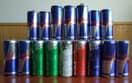

Browse this topic
Open the parent category hub for more foods in the same group.