
Is Monster Energy Halal?
It depends on what the label says.
Darul Iftaa Birmingham reviewed the ingredient list of the original Monster Energy drink, found nothing Haram and ruled it permissible.
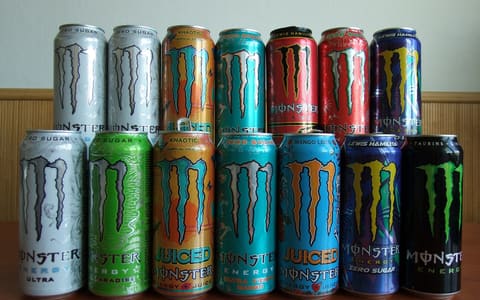
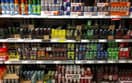
Photo: Oto Zapletal · CC BY-SA 4.0
How to verify
- Original Monster Energy: covered by the Darul Iftaa Birmingham ruling on its listed ingredients.
- Any other can (Ultra, Juice, Java and others): read its own ingredient list for colours such as carmine (E120) and for dairy.
- Make sure it is not the alcoholic Beast Unleashed line.
- Outside the US, read the local can: ingredients can differ.
What decides the answer
-
Original Monster Energy: ruled permissible by Darul Iftaa Birmingham on its listed ingredients
-
Taurine: synthetic, per Monster's FAQ
-
Ultra, Juice, Java and other lines: read that can; some contain dairy, and colours vary
-
Beast Unleashed: alcoholic, not an energy drink
Why this ruling
Monster Energy is the black can with the green claw, sold in many lines: the original, Ultra, Juice, Java and more. The Halal answer depends on which can you mean.
The original drink has a named ruling
Darul Iftaa Birmingham was asked directly whether Monster Energy is Halal. It reviewed the ingredient list the company publishes for the original drink, found nothing Haram in it, and ruled it permissible to drink, adding that energy drinks should not be taken in amounts that clearly harm health.[1] That ruling covers the original drink's listed ingredients. It is not a certificate, and it does not cover every line.
What Monster says about its ingredients
Monster's own FAQ answers two questions Muslims ask:[2]
- Taurine: "The Taurine in Monster Energy products is synthetic. It is not derived from an animal by-product."
- Animal products: some Monster products contain dairy, often in the Java Monster line, and Monster products are not vegan certified.
Dairy is not a Halal problem on its own. But together these answers show why one verdict can't cover the whole range: each line has its own ingredients.
Checks for every other can
- Colours: some red and pink drinks in the energy category are coloured with carmine (E120), an insect-derived dye that scholars differ on. Read coloured varieties; see Carmine.
- Java and other dairy lines: read the ingredient list like any milk drink.
- Alcoholic lookalikes: Monster Brewing sells The Beast Unleashed, an alcoholic flavoured malt drink in cans that look like energy drinks.[3] It is an intoxicant, not an energy drink.
- Other countries: read the local can; ingredients can differ from the US list.
Health note
The Darul Iftaa Birmingham answer itself advises against amounts that clearly harm health.[1] Monster's FAQ says its drinks are not recommended for children, people sensitive to caffeine, or pregnant or nursing women.[2] The FDA's consumer guidance on caffeine intake is useful background.[4]
For category-wide context see Energy Drinks, Red Bull and Taurine.
Where you'll find it
- Canned energy drinks
- Pre-workout and late-night consumption
- Branded flavoured energy beverages
Frequently asked questions
Is Monster Energy Halal?
Is the taurine in Monster from animals?
Do Monster drinks contain animal products?
Which Monster products should Muslims avoid?
Is Monster Halal certified?
Sources
Named Islamic, certifier, manufacturer, and regulatory sources used on this page. Inline markers like [1] jump here. Retrieval dates show when we last checked the live URL. Editorial methodology.
Islamic / scriptural
-
Darul Iftaa Birmingham: Is Monster Energy Drink Halal?
Darul Iftaa Birmingham (via IslamQA.org) Retrieved
Hanafi. Shaykh Shafiur Rahman, checked by Mufti Mohammed Tosir Miah. Reviewed the ingredient list for the original Monster Energy drink on monsterenergy.com, found no Haram ingredient and ruled it permissible; advises avoiding amounts that clearly harm health.
Manufacturer / product
-
Monster Energy Retrieved
Read from the Internet Archive copy of 1 August 2026, as the live page blocks automated reading. Says the taurine in Monster Energy products is synthetic and not from an animal by-product; that some products contain dairy, often in the Java Monster line; and that the products are not vegan certified.
-
The Beast Unleashed (Monster Brewing) — hard beverage line
Monster Brewing LLC Retrieved
Official alcoholic flavoured-malt line in near-identical trade dress to energy drinks — read the can.
Regulatory / labelling
-
Spilling the beans: how much caffeine is too much?
U.S. FDA Retrieved
Health background on caffeine. Not a religious ruling.
Browse this topic
Open the parent category hub for more foods in the same group.