
Is Carmine (Cochineal, E120) Halal?
Scholars differ on this one.
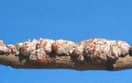
Carmine (E120, cochineal extract, Natural Red 4) is a red dye from cochineal insects.
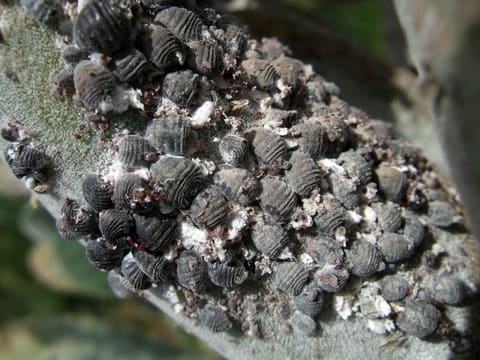
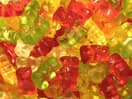
Photo: Zyance · CC BY-SA 2.5
Additive identity
Possible source pathways
The finished molecule can be identical across feedstocks. The Halal ruling follows the pathway, not the code alone.
E120 Possible source pathways
- insect Scholarly difference Typical Cochineal insects. Majority insect-prohibition view treats ingested carmine as impermissible; Jordan Iftaa’ and MUI Fatwa 33/2011 permit it under stated conditions; a Maliki answer finds carmine, as made today, not permissible.
Scholarly differences
The disagreement tracks insect food rulings plus istiḥālah. Hanafi, Shafi‘i, and Hanbali schools generally prohibit insects as food (narrow locust exceptions), and fatwas such as IslamWeb 90369 treat ingested carmine as impermissible under that majority insect view.
The Maliki school permits insects when they are killed in order to be eaten; a Maliki answer finds that carmine, made by soaking the insects in hot water for a dye, does not meet that condition.
Jordan’s General Iftaa’ Department permits E120 when the colourant has transformed, is used for need without safer alternatives, and is not harmful. MUI (Fatwa No. 33/2011) treats cochineal colouring as Halal when beneficial and harmless. Certification practice is not uniform—follow your school and the certifier printed on the pack.
What decides the answer
-
Prohibitive branch (majority insect view / IslamWeb-style ruling): avoid food carmine/E120
-
Maliki: insects are permitted when killed to be eaten; a Maliki answer finds carmine, as made today, does not qualify
-
Jordan Iftaa’: permissible subject to transformation, need, and safety conditions
-
MUI: cochineal colour Halal if beneficial and not harmful
-
Practical: check the label; Halal marks may still accept or reject depending on the body
How to verify
- Scan for carmine, cochineal, cochineal extract, carminic acid, Natural Red 4, Crimson Lake, C.I. 75470, or E120.
- Follow the school or fatwa body you trust (prohibitive insect view vs permissive/istiḥālah view).
- Do not assume every Halal logo accepts or rejects carmine—bodies differ.
- Prefer beet (E162), anthocyanins (E163), lycopene, paprika extract, or synthetic reds (E122/E124/E129) when you want to avoid the debate.
- US labels must name carmine/cochineal extract explicitly.
Why this ruling
Carmine is Scholarly difference—the same insect-red family as cochineal and E120. A prohibitive branch (majority classical insect ruling; e.g. IslamWeb) says avoid it in food. A permissive branch (Jordan Iftaa’ with transformation/need/safety conditions; MUI when beneficial and harmless) allows it. Follow your school or named authority; Halal certifiers are not unanimous.
Name map
| Name | Relationship |
|---|---|
| Carmine | Refined cochineal pigment |
| Cochineal / cochineal extract | Insect source / crude extract |
| E120 | EU additive code |
| Natural Red 4 / C.I. 75470 / Crimson Lake | Alias / Colour Index names |
| E124 / E129 | Different dyes—synthetic, not insects |
Roughly 70,000 cochineal insects yield a pound of dye. This page covers all of those names; cochineal and E120 lead here too.
Prohibitive branch
May Muslims eat insects? Hanafi, Shafi‘i, and Hanbali schools generally prohibit insects as food (khaba’ith), with the sunnah exception of locusts. Under that view, an ingested insect dye is impermissible.[7] IslamWeb fatwa 90369 applies that majority insect ruling to carmine and also raises alcohol-treatment concerns in some processing routes.[2] Shoppers who follow this branch—or whose trusted local scholar does—should avoid food products listing carmine, cochineal, or E120.
Permissive branch
The Maliki school permits insects, but only when they are killed in order to be eaten. A Maliki answer from SeekersGuidance (Shaykh Rami Nsour) finds that carmine, made by collecting the insects and soaking them in hot water to produce a dye, does not meet that condition, so foods with carmine are not permissible in the Maliki school as it is made today.[1]
Named contemporary permissions go further than school textbooks alone:
- Jordan’s General Iftaa’ Department (fatwa 3240) permits Carmine E120 when the colourant has chemically transformed into another substance (istiḥālah), is used because no suitable alternative is available, is used only as needed, and does not harm health—while still acknowledging the majority classical insect prohibition.[3]
- Indonesia’s MUI (Fatwa No. 33/2011, as explained in MUI/LPPOM materials) treats cochineal food and drink colouring as Halal when it is beneficial and not harmful.[4]
Those permissions explain why some certified products in some markets can lawfully carry insect red under a named fatwa—even though other programmes still refuse it.
Label law that helps shoppers
In the United States, FDA requires the words carmine or cochineal extract on labels when those colours are used.[5] EU packs typically show E120.[6] “Natural colour” on the front of a yogurt or candy never clears the Halal question—only the back-of-pack alias list does. Synthetic reds such as Allura Red (E129) and Ponceau 4R (E124) are chemically unrelated to insects.
Where it still shows up
Scan pink dairy, red candy, juices, ice creams, imported confectionery, and some cosmetics. Brands under vegan, kosher, or Halal pressure have often moved to beet (E162), anthocyanins (E163), lycopene, paprika extract, or synthetics—useful when you want to avoid the scholarly debate entirely. For cosmetics, many scholars are more lenient topically because lipstick is not eaten as food; incidental swallowing remains the edge case for the cautious. See Skittles and Shellac.
Realistic verification
- Memorise aliases: carmine, cochineal, carminic acid, Natural Red 4, E120, C.I. 75470.
- Apply one consistent standard: prohibitive insect view, Jordan Iftaa’ conditions, or MUI’s beneficial/harmless frame.
- Check what your own certifier says about carmine: bodies differ.
- Swap to plant or synthetic reds when you prefer to sidestep the debate.
- Do not confuse E120 with E124/E129.
- Front-of-pack “naturally coloured” claims do not prove E120 is absent.
Where you'll find it
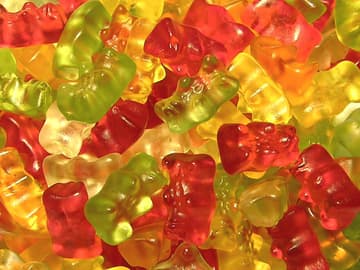
- Red and pink candies and gummies
- Strawberry-flavoured yogurts and dairy drinks
- Fruit juices, sodas, and aperitifs
- Ice creams and desserts
- Lipsticks, blushes, and other cosmetics
Frequently asked questions
Is carmine Halal?
Are carmine, cochineal, and E120 the same ruling?
What names does carmine hide under on labels?
Why do some scholars and boards say carmine is Halal?
Do Halal certifiers all reject carmine?
Is E120 the same as E124?
Sources
Named Islamic, certifier, manufacturer, and regulatory sources used on this page. Inline markers like [1] jump here. Retrieval dates show when we last checked the live URL. Editorial methodology.
Islamic / scriptural
-
Eating foods with dye made from insects in the Maliki school
SeekersGuidance (Shaykh Rami Nsour, Maliki), via IslamQA.org Retrieved
Maliki: insects may be eaten only if killed with the intention of making them fit to eat (Khalil, al-Mukhtasar). Carmine production (collecting cochineal and soaking them in hot water for a dye) does not seem to meet that condition, so foods with carmine are not permissible in the Maliki school as currently made.
-
The ingredient carmine (Fatwa 90369)
IslamWeb Retrieved
Treats carmine as impermissible under the majority view that insects are not eaten (also notes alcohol treatment concerns in processing).
-
Ruling of Sharia on using Carmine E120 (Fatwa 3240)
Jordan General Iftaa' Department Retrieved
Permits E120 subject to transformation (istiḥālah), need/no suitable alternative, limited use, and no harm to health—while noting the majority classical insect prohibition.
-
MUI cochineal fatwa decision (Fatwa No. 33/2011 context)
Majelis Ulama Indonesia (MUI) / LPPOM Retrieved
States food and drink colouring from cochineal is Halal when beneficial and not harmful.
-
Qur'an Retrieved
Often cited in insect-prohibition discussions (forbidding what is impure/evil); classical application to insects is fiqh detail beyond the verse alone.
Regulatory / labelling
-
U.S. FDA Retrieved
Requires explicit 'carmine' or 'cochineal extract' naming on US labels.
-
People also check
Related ingredients and products for this item.
Halal-conscious recipes
A substitution-led recipe that uses this analysis.