
How to verify
- Read the gelling agent: gelatin (check source or Halal mark) vs pectin/starch/agar.
- Scan red/pink colours for carmine, cochineal, or E120.
- Prefer Halal-certified gummy brands when available.
- Do not trust ‘natural flavors’ alone—gelatin is usually listed by name.
What decides the answer
-
Halal-certified gummies
Halal -
Pectin/starch gummies without carmine
Halal -
Carmine/E120 red colouring
scholarly difference—follow your school (see Carmine) -
Undeclared or porcine gelatin gummies
Haram / Halal if verified until sourced
Why this ruling
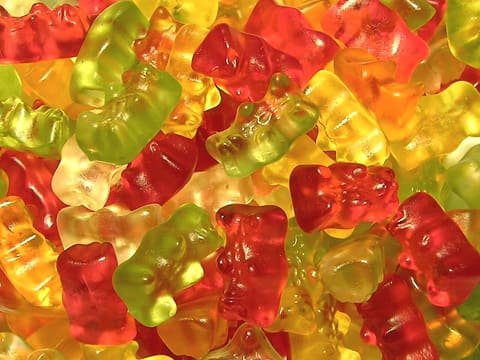
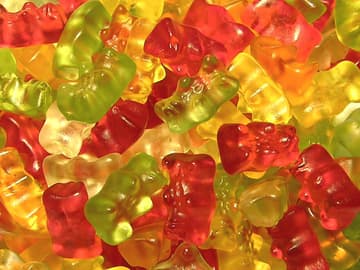
Gummy bears are small, chewable fruit candies—famously associated with Haribo’s German Goldbären—made from sugar syrups, acids, flavours, colours, and a gelling agent. That gelling agent is the Halal hinge. Classic recipes use gelatin; many modern “plant-based” bags use pectin or starch. Until you know which, and until red dyes are clear, branded gummy bears stay Halal if verified on this site.
Gelatin is the main risk
Gelatin is an animal collagen hydrolysate. In candy factories it is often porcine because pork gelatin is cheap and sets well. It can also be bovine (Halal only if slaughter and processing meet Halal rules) or fish. U.S. labels must list “gelatin” but often omit species (see ingredient labelling practice via FDA Food, retrieved 20 July 2026). EU packs may show gelatin without a Halal mark. That opacity is why undeclared gummies are not stamped Halal here—see also gelatin and beef gelatin.
| Gelling / colour pattern | Typical Halal read |
|---|---|
| Pork gelatin (known) | Haram |
| Gelatin, species unknown | Halal if verified |
| Halal-certified gelatin gummies | Halal |
| Pectin/starch/agar, no carmine | Generally Halal |
| Carmine / E120 red | Scholarly difference—see carmine |
Carmine and other extras
Bright red gummies sometimes use carmine (cochineal, E120)—see carmine. Shellac glaze is less common on matte gummies than on hard candy but can appear on shiny coatings. Flavour “natural flavors” rarely hide gelatin (gelatin is usually named), but alcohol-based flavour extracts are possible on novelty lines—rare, still worth a glance.
Halal and vegan alternatives
Muslim markets stock pectin gummies and certified gelatin gummies with JAKIM, BPJPH, or other marks. Verify Malaysian products via Portal Halal / MYeHALAL (retrieved 20 July 2026). Western “vegan gummy bears” are a practical shortcut when they list pectin and plant colours. Do not assume every bear-shaped candy in a bulk bin is the same formula as last year’s bag—brands reformulate.
Alcohol-soaked novelty gummies
Party recipes that soak gummies in vodka or whiskey are Haram. That is intentional intoxicant infusion, not a gelatin-source debate.
Realistic verification
- Flip the bag: find gelatin or pectin.
- If gelatin, look for Halal certification or a species statement you accept.
- Check red shades for carmine/cochineal/E120.
- Prefer certified Halal candy for kids’ parties when guests need certainty.
- Re-check when traveling—export products differ by country.
Bulk bins and movie-theater boxes
Loose bulk gummies and cinema boxes rarely print a full species-level gelatin statement. Treat unlabeled scoops as higher risk than a sealed Halal-marked bag. If you need candy for a mixed group, buy sealed pectin or certified packs you can show on request rather than guessing from colour alone. Sugar-free gummy bears use the same gelling logic—polyols change sweetness, not the Halal status of gelatin versus pectin.
Where you'll find it
- Snack bags and movie candy
- Baking decorations
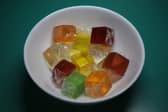
- Halal-certified fruit gummies
- Novelty alcohol-soaked gummies (avoid)
Frequently asked questions
Are gummy bears Halal?
Is Haribo Halal?
Are vegan gummy bears Halal?
Is carmine a problem in red gummies?
What about alcohol-soaked party gummies?
Scholarly view
Gelatin follows the animal it came from: pork gelatin is Haram; Halal-slaughtered beef or fish gelatin can be Halal; undeclared gelatin stays Halal if verified. Carmine (cochineal insect dye) is a scholarly difference—prohibitive and permissive fatwas both exist; see Carmine.
Plant gelling agents (pectin, starch, agar) remove the gelatin issue but colours and flavour carriers still need a glance.
Sources
Named Islamic, certifier, manufacturer, and regulatory sources used on this page. Inline markers like [1] jump here. Retrieval dates show when we last checked the live URL. Editorial methodology.
Islamic / scriptural
-
Qur'an Retrieved
Swine prohibition—frames why pork gelatin in marshmallows/gummies is Haram.
Certifier / jurisdiction
-
Portal Halal Malaysia (MYeHALAL)
JAKIM Retrieved
Lookup for Halal-certified gelatin confections when a mark is present.
-
Retrieved
Certifier programs reject porcine gelatin for Halal-marked candy; plant gels or audited sources required.
Regulatory / labelling
-
U.S. FDA Retrieved
Ingredient labelling lists 'gelatin' as a name; species is often omitted—source verification still required.
People also check
Related ingredients and products for this item.
Halal-conscious recipes
A substitution-led recipe that uses this analysis.
Browse this topic
Open the parent category hub for more foods in the same group.