

Topic hub
Confectionery & desserts
Sweets look simple until gelatin, carmine, mono- and diglycerides, whey, or liquor flavourings show up. Browse chocolates, candies, ice cream, and bakery desserts with those common risk points in mind. Shopping in the UK? See Halal sweets in the UK, brand by brand; in the US, Halal candy and snacks.
Scan for gelatin, carmine/cochineal, animal-based emulsifiers, and alcohol-named flavours. Brand pages help when formulas change by country—always prefer the local ingredient list or Halal mark.
Status overview
How foods in this topic break down by Halal ruling.
- Halal 22
- Haram 6
- Halal if verified 82
- Market-dependent 24
- Scholarly difference 2
Foods in this topic
136 items All topics
- Airheads Halal if verified
- Altoids Halal if verified
- Angel Delight Market-dependent
- ANZAC biscuits Halal
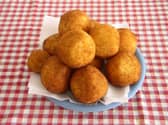
- Arancini Halal if verified
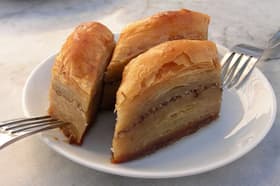
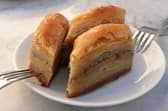
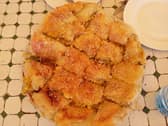
- Baklava Halal if verified
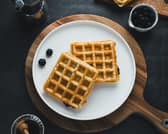
- Belgian Waffles Halal if verified
- Blue Bell Halal if verified
- Bougatsa Halal if verified
- Brigadeiros Halal
- Brownies Halal
- Cadbury Market-dependent
- Cadbury Mini Eggs Market-dependent
- Cakes Halal if verified
- Candy canes Halal if verified
- Candy Corn Halal if verified
- Caramel Halal if verified
- Celebrations Market-dependent
- Cherry Ripe Halal if verified
- Chewits Halal if verified
- Chips Ahoy! Halal if verified
- Chocolate Halal
- Chupa Chups Halal if verified
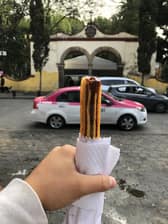
- Churros Halal if verified
- Clinkers Halal if verified
- Cookies Halal
- Cornish Pasty Halal if verified
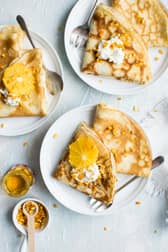
- Crêpes Halal if verified
- Croissants Halal if verified
- Culurgiones Halal if verified
- Dairy Milk Halal if verified
- Dark Chocolate Halal
- DOTS Halal
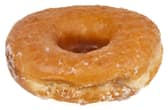
- Doughnuts Halal if verified
- Dubai Chocolate Market-dependent
- Dum Dums Halal
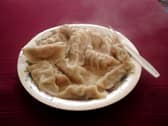
- Dumplings Halal if verified
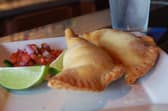
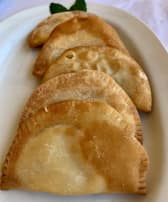
- Empanadas Halal if verified
- Extra chewing gum Halal if verified
- Ferrero Rocher Market-dependent
- Figolla Halal if verified
- Flaounes Halal if verified
- Fruit Pastilles Halal
- Fruit Roll-Ups Halal if verified
- Fruittella Halal if verified
- Fun Dip Halal if verified
- Galaxy Market-dependent
- Gelato Halal if verified
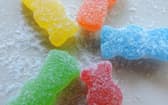
- Gummy Bears Halal if verified
- Gushers Halal if verified
- Häagen-Dazs Halal if verified
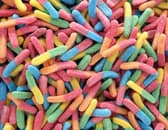
- Haribo Market-dependent
- Hartley's jelly Halal if verified
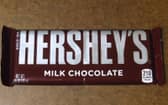
- Hershey's Market-dependent
- Hi-Chew Haram
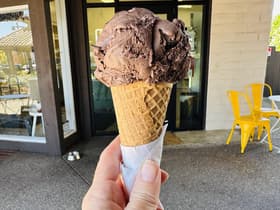
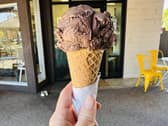
- Ice Cream Halal if verified
- Imqaret Halal if verified
- Jaffa Cakes Halal
- Jell-O Halal if verified
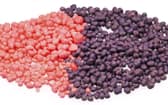
- Jelly Beans Halal if verified
- Jolly Rancher Halal if verified
- JOYRIDE Halal if verified
- Kalitsounia Halal if verified
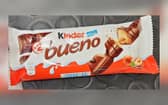
- Kinder Bueno Halal
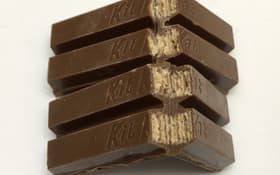
- KitKat Market-dependent
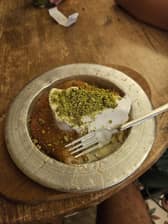
- Knafeh Halal if verified
- Laffy Taffy Halal if verified
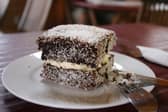
- Lamingtons Halal
- Lindt Market-dependent
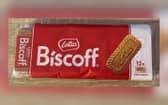
- Lotus Biscoff Halal
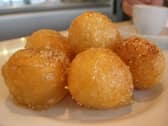
- Loukoumades Halal if verified
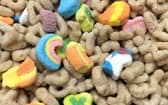
- Lucky Charms Halal if verified
- Luqaimat Halal if verified
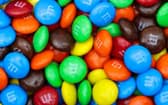
- M&Ms Market-dependent
- Magnum Market-dependent
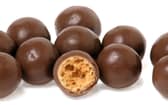
- Maltesers Market-dependent
- Mamba Halal if verified
- Maoam Haram
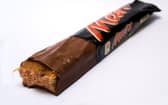
- Mars Market-dependent
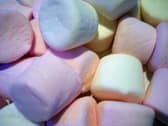
- Marshmallows Halal if verified
- Mentos Halal if verified
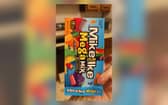
- Mike and Ike Halal if verified
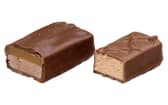
- Milky Way Market-dependent
- Mott's Halal
- Mr Kipling Halal if verified
- Nerds Scholarly difference
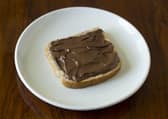
- Nutella Halal
- Oreos Market-dependent
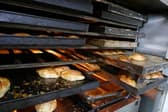
- Panettone Halal if verified
- Party Rings Halal
- Pastéis de Nata Halal
- Pastilla Halal if verified
- Pastizzi Halal if verified
- Pastries Halal
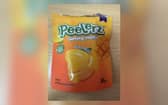
- Peelerz Haram
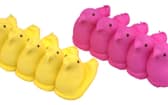
- Peeps Haram
- Percy Pig Halal
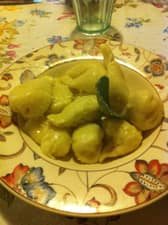
- Pierogi Halal if verified
- Pocky Halal if verified
- Protein bars Market-dependent
- Qassatat Halal if verified
- Quality Street Halal if verified
- Rowntree's Halal if verified
- Samosas Halal if verified
- Seadas Halal if verified
- Skittles Market-dependent
- Smarties Halal if verified
- Smints Halal if verified
- Snickers Market-dependent
- Sour Patch Kids Market-dependent
- Sour Punch Halal if verified
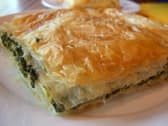
- Spanakopita Halal if verified
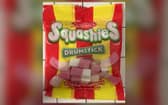
- Squashies Haram
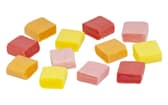
- Starburst Market-dependent
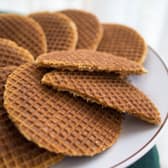
- Stroopwafels Halal
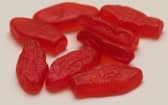
- Swedish Fish Halal if verified
- SweeTARTS Halal if verified
- Swizzels Halal if verified
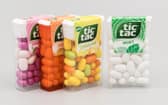
- Tic Tacs Halal if verified
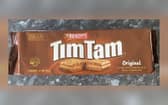
- Tim Tam Scholarly difference
- Tiramisu Halal if verified
- Toblerone Market-dependent
- Toffifee Halal if verified
- Tootsie Roll Halal if verified
- Trident gum Halal if verified
- Truffle Halal if verified
- Tunnock's Teacakes Halal
- Turkish delight Halal if verified
- Twix Market-dependent
- Twizzlers Halal if verified
- Wagon Wheels Halal if verified
- Wall's ice cream Halal if verified
- Welch's Fruit Snacks Haram
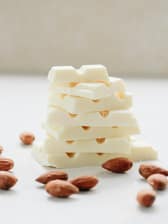
- White Chocolate Halal
- Wine gums Halal if verified
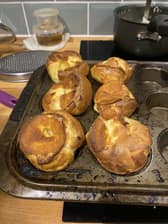
- Yorkshire Pudding Halal if verified


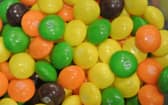
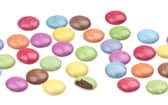
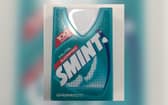
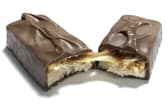
No foods match this filter.
Photo credits
- Open Food Facts contributors · CC BY-SA 3.0
- Open Food Facts contributors · CC BY-SA 3.0
- Open Food Facts contributors · CC BY-SA 3.0
- Konstantinos Stampoulis (Geraki) · CC BY-SA 2.5
- see Commons · CC BY-SA 3.0
- Tiia Monto · CC BY-SA 3.0
- Open Food Facts contributors · CC BY-SA 3.0
- Smabs Sputzer (1956-2017) · CC BY 2.0
- audinou from Paris, France · CC BY 2.0
- Open Food Facts contributors · CC BY-SA 3.0
- Open Food Facts contributors · CC BY-SA 3.0
- Open Food Facts contributors · CC BY-SA 3.0
- David Zarco · CC BY-SA 4.0
- Dietmar Rabich · CC BY-SA 4.0
- בר · CC BY-SA 3.0
- Mohammed Moosa from UK · CC BY 2.0
- Jacek Halicki · CC BY-SA 4.0
- stu_spivack · CC BY-SA 2.0
- Open Food Facts contributors · CC BY-SA 3.0
- Alpha · CC BY-SA 2.0
- Open Food Facts contributors · CC BY-SA 3.0
- Open Food Facts contributors · CC BY-SA 3.0
- Open Food Facts contributors · CC BY-SA 3.0
- Flickr: shiraga · CC BY 2.0
- Open Food Facts contributors · CC BY-SA 3.0
- Open Food Facts contributors · CC BY-SA 3.0
- Willis Lam · CC BY-SA 2.0
- Open Food Facts contributors · CC BY-SA 3.0
- Open Food Facts contributors · CC BY-SA 3.0
- Ineffablebookkeeper · CC BY-SA 4.0
- Tim Reckmann from Hamm, Deutschland · CC BY 2.0
- Mene Tekel · CC BY 2.0
- Open Food Facts contributors · CC BY-SA 3.0
- Famartin · CC BY-SA 4.0
- Open Food Facts contributors · CC BY-SA 3.0
- Open Food Facts contributors · CC BY-SA 3.0
- Flickr.com user "avlxyz" · CC BY-SA 2.0
- Famartin · CC BY-SA 4.0
- Chris Woodrich · CC BY-SA 4.0
- Open Food Facts contributors · CC BY-SA 3.0
- Open Food Facts contributors · CC BY-SA 3.0
- Open Food Facts contributors · CC BY-SA 3.0
- Open Food Facts contributors · CC BY-SA 3.0
- N i c o l a from Fiumicino (Rome), Italy · CC BY 2.0
- Open Food Facts contributors · CC BY-SA 3.0
- Photo Claude TRUONG-NGOC · CC BY-SA 3.0
- Kritzolina · CC BY-SA 4.0
- Open Food Facts contributors · CC BY-SA 3.0
- Open Food Facts contributors · CC BY-SA 3.0
- Maksym Kozlenko · CC BY-SA 4.0
- Open Food Facts contributors · CC BY-SA 3.0
- Open Food Facts contributors · CC BY-SA 3.0
- Kritzolina · CC BY-SA 4.0
- Open Food Facts contributors · CC BY-SA 3.0
- Renee Huggins · CC BY 2.0
- Open Food Facts contributors · CC BY-SA 3.0
- Famartin · CC BY-SA 4.0
- Upupa4me · CC BY-SA 2.0
- Alpha · CC BY-SA 2.0
- Open Food Facts contributors · CC BY-SA 3.0
- Takeaway · CC BY-SA 3.0
- Matthew Bellemare · CC BY-SA 3.0
- Jacek Halicki · CC BY-SA 4.0
- Open Food Facts contributors · CC BY-SA 3.0
- Navneet Sharma · CC BY-SA 4.0
- George Gillams from Southampton, UK · CC BY-SA 2.0
- Open Food Facts contributors · CC BY-SA 3.0
- Open Food Facts contributors · CC BY-SA 3.0
- Famartin · CC BY-SA 4.0
- Open Food Facts contributors · CC BY-SA 3.0
- Open Food Facts contributors · CC BY-SA 3.0
- Open Food Facts contributors · CC BY-SA 3.0
- Sara Thomas · CC BY-SA 4.0


Frequently asked questions
Why are sweets often not Halal?
Is chocolate Halal?
Are Haribo and other big brands Halal?
Related topics
Explore connected ingredients, regions, and certification guidance.