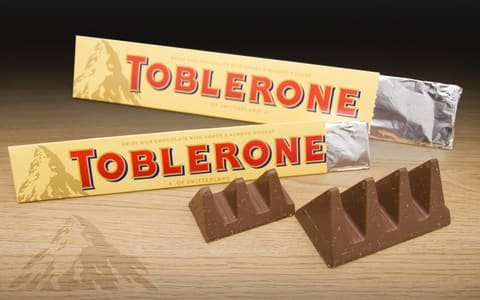
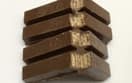
Toblerone—the triangular Swiss bar of milk chocolate over honey-almond nougat—carries one of the most famous Halal stories in the chocolate industry. In 2018, its Bern factory obtained Halal certification, and reporting confirmed what the audit showed: the traditional recipe already met Halal criteria, so nothing about the bar needed to change except verification. The episode became a case study in how Halal certification actually works: verification, not transformation.
Ingredients were never the hard part
Chocolate, sugar, milk, cocoa butter, honey (commended in the Qur'an itself—see honey), almonds, and egg-white nougat are Halal-friendly. Current UK, US and EU packs list soya lecithin as the emulsifier, with no E471 and no gelatin (see the sources below), so the one auditable point left is the flavouring, which certification pins down. General US labelling literacy: fda.gov (retrieved 20 July 2026). Company context: mondelezinternational.com (retrieved 20 July 2026).
Factory and market nuance
The nuance for today’s shopper is that “Toblerone is Halal certified” is a statement about specific factories and certificate periods, not an eternal brand property. Production has expanded beyond Bern over the years, packaging differs by market, and stock in Western shops usually carries no Halal mark. So the practical rule matches other multinational chocolate: look at the pack in your hand—origin marking and any Halal logo—and verify current status with the manufacturer where it matters, rather than relying on 2018 headlines in either direction.
Certainty path
If you want certainty without extra checks: bars sold in Gulf and Southeast Asian markets under local certification, and many Halal-certified Swiss-style chocolate brands, deliver the triangle experience with the audit included. Cross-check chocolate, Ferrero Rocher, and KitKat. Certification program reference: JAKIM (MYeHALAL, retrieved 20 July 2026).
Qur'anic food-law context for study: quran.com/5 (retrieved 20 July 2026).
Duty-free, gifts, and lookalike bars
Duty-free giant Toblerone bars are a common gift; they are also a common source of outdated assumptions. A large bar bought in a European airport may not carry the same Halal mark as a smaller bar bought in a Gulf supermarket. Read the triangle pack in your hands: factory codes, country marks, and logos matter more than cabin nostalgia.
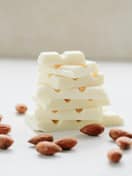
White and dark Toblerone follow the same certification logic as milk—cocoa percentage is not a Halal shortcut. Baking with chopped Toblerone in cookies inherits the bar’s status; it does not become Halal by dilution in flour. Lookalike triangular bars from Halal-certified chocolatiers can satisfy the same craving with clearer audits. If a relative insists “Toblerone is Halal because of 2018,” explain politely that certification is time- and site-bound, then offer a currently marked alternative so the conversation ends with chocolate instead of an argument.


.jpg)