
Is Dark Chocolate Halal?
Yes — this one is Halal.
Dark chocolate is primarily cocoa mass, cocoa butter, and sugar—Halal when free of animal emulsifiers and alcohol flavour.
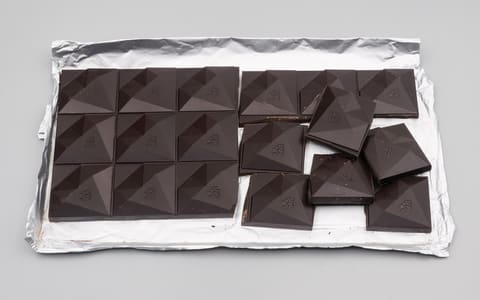
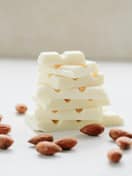
Photo: Jacek Halicki · CC BY-SA 4.0
What decides the answer
-
Animal-sourced or undisclosed emulsifiers
Halal if verified. -
High-cocoa bars with plant emulsifiers are Halal.
-
Watch alcohol-flavoured or cream-liqueur dark bars.
-
Cross-contact with milk matters for allergy, not usually for Halal status.
Where you'll find it
- Eating bars and baking chunks
- Ganache, mousse, and brownies
- Coverture for confectionery
- Savoury mole and chili depth
- Hot chocolate blends
Why this ruling
Dark chocolate is chocolate made chiefly from cocoa solids, cocoa butter, and sugar, with little or no milk solids. Labels often say semisweet, bittersweet, or list a cocoa percentage (50%–90%+). Higher percentages mean more cocoa taste and less sugar—not a different Islamic category. In ordinary form, dark chocolate is Halal.
Why the baseline is Halal
Cacao (Theobroma cacao) beans are fermented, dried, roasted, and ground into cocoa mass (chocolate liquor), then adjusted with cocoa butter and sugar. None of those core steps introduce pork or beverage alcohol. Soy lecithin, when named, is plant-derived. Unspecified emulsifiers still need a label check.
U.S. FDA identity for sweet / semisweet / bittersweet chocolate is 21 CFR § 163.123 (retrieved 16 August 2026).[1] EU composition rules sit in Directive 2000/36/EC (retrieved 16 August 2026).[2] Neither standard requires animal emulsifiers. They also do not census every bar’s emulsifier worldwide.
A named product: Lindt Excellence 70% Mild lists cocoa mass, sugar, cocoa butter, emulsifier (soya lecithin), and vanilla (retrieved 16 August 2026).[4] Soy lecithin is GRAS under 21 CFR § 184.1400.[3] That product is not a Halal certificate and is not every dark bar.
Checks that actually change the ruling
Emulsifiers. Soy lecithin is usually fine. Unspecified mono- and diglycerides can be animal-derived—prefer clear plant sourcing or a Halal mark.
Alcohol flavours and liqueur centers. Dark chocolate pairs marketing-wise with rum, whiskey, and cream liqueurs. Those products are not “plain dark chocolate.”
Gelatin and shiny coatings. Some novelties and decorated pieces use gelatin.
Milk traces. “May contain milk” is an allergen statement. It does not turn a dairy-free dark bar into milk chocolate for Halal purposes in standard analysis.
Baking, couverture, and savoury use
Baking bars, chips, and couverture follow the same rules as eating bars. Dutch-processed (alkalized) cocoa and natural cocoa differ in flavour chemistry, not Halal status. Savoury uses—mole, chili, game sauces—are Halal when the chocolate itself is clean; the stew’s meat still needs its own Halal check. Hot chocolate made from dark chocolate and milk is Halal when both components are.
Bean-to-bar makers sometimes add unusual inclusions (bacon brittle, beer malt, wine-soaked fruit). Boutique creativity is exactly when you stop trusting the word “dark” and read the inclusion list. Supermarket 70% bars with three or four ingredients remain the simplest Halal-friendly choice.
Couverture sold to pastry chefs sometimes lists only “emulsifier (soya lecithin)”—that is usually fine—or a generic E471 line that deserves a supplier email. Single-origin tasting bars that disclose origin, roast, and a short ingredient list are often cleaner than heavily marketed “superfood” dark chocolates that add collagen peptides, gelatin gummies, or spirit-aged cocoa nibs. If a label advertises bone-broth collagen or “bourbon barrel finish,” treat it as a speciality product, not baseline dark chocolate.
Markets
West African cocoa dominates global supply; finishing plants differ. Emulsifiers vary by brand and country. Absence of a Halal logo is not evidence of pork—check ingredients (soy lecithin vs unnamed E471). Halal-marked bars in Muslim-majority markets certify that product only.
Realistic verification
- Ingredient list: cocoa, sugar, cocoa butter, soy lecithin → Halal.
- Skip liquor-filled and spirit-flavoured lines.
- Investigate vague “emulsifier” wording or prefer certified bars.
- Ignore internet myths that fermentation alone makes chocolate Haram.
How to verify
- Read the bar for cocoa, sugar, cocoa butter, and emulsifier type (soy lecithin is usually fine).
- Avoid alcohol-flavoured, cream-liqueur, or gelatin-decorated dark bars unless verified.
- Prefer Halal-certified dark chocolate when emulsifiers are vague.
Frequently asked questions
Is 70% or 85% dark chocolate more Halal than 50%?
Does cacao fermentation make dark chocolate Haram?
Is vegan dark chocolate automatically Halal?
What about ruby or flavoured dark bars?
Do I need Halal certification for plain dark chocolate?
Scholarly view
Cocoa solids, cocoa butter, and sugar are Halal. Fermentation of cacao beans is an agricultural flavour step, not beverage khamr. The practical checks are emulsifiers (soy lecithin vs animal mono-/diglycerides), alcohol-filled or spirit-flavoured novelties, and gelatin decorations—not the darkness percentage itself. Cross-contact with milk is primarily an allergy issue, not a Halal status change for most scholars.
Sources
Named Islamic, certifier, manufacturer, and regulatory sources used on this page. Inline markers like [1] jump here. Retrieval dates show when we last checked the live URL. Editorial methodology.
Manufacturer / product
-
Lindt Excellence 70% Mild Dark Chocolate Bar — ingredients
Lindt Retrieved
Named product lists soya lecithin. Not a global Halal mark.
Regulatory / labelling
-
21 CFR § 163.123 — sweet chocolate identity
U.S. FDA (via Cornell LII) Retrieved
US sweet/semisweet/bittersweet identity—not a global emulsifier census.
-
Directive 2000/36/EC — cocoa and chocolate products
European Union Retrieved
EU composition/labelling for chocolate. Does not require animal emulsifiers.
-
U.S. FDA (via Cornell LII) Retrieved
GRAS lecithin identity (commonly soy).
People also check
Related ingredients and products for this item.
Browse this topic
Open the parent category hub for more foods in the same group.