
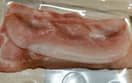
Photo: THISISN'TBACON2021 · CC BY-SA 4.0
Why it is Haram
There is no scholarly disagreement on pork bacon - it is haram by the explicit text of the Quran. For 'bacon' made of turkey or beef, the standard rules of meat apply: the species is halal, but the animal must be slaughtered Islamically and processing must be free of pork cross-contamination and haram additives.
Uncertified supermarket turkey bacon is not a Halal certificate. A named Halal product is Midamar turkey breakfast strips; other certified packs exist.
Quranic guidance
-
Surah Al-Ma'idah 5:3
"Forbidden to you are dead animals, blood, the flesh of swine, and that which has been dedicated to other than Allah."
Where it shows up
- Breakfast strips and BLT sandwiches
- Bacon bits on salads and baked potatoes
- Flavouring in soups, beans, and sauces
- Burger toppings
- Bacon fat used in cooking
Why this ruling
Looking for streaky bacon, Canadian bacon, pancetta, guanciale, or lardons? Same ruling as bacon when the cut is pork — Haram. Turkey/beef “bacon” products are different foods and need Halal slaughter proof.
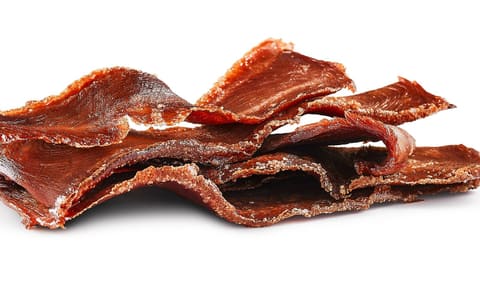
Bacon is cured meat from a pig's belly or back - salted, often smoked, and sliced into the strips that anchor Western breakfasts. Because it is pork, bacon is haram, full stop. The Quran prohibits the flesh of swine explicitly (5:3, 2:173, 6:145, 16:115), and the prohibition extends to every part of the animal and everything derived from it: the meat, the fat rendered from it, and dishes cooked with either.
The practical challenge with bacon is less the breakfast strip - easy to refuse - than its habit of appearing uninvited. Restaurant kitchens scatter bacon through salads, sandwiches, burgers, soups, baked beans, and pasta dishes, and 'bacon fat' is a flavouring base in a lot of American Southern and French cooking. When eating out, it is worth asking explicitly whether a dish contains bacon or is cooked in bacon fat, and asking for a fresh grill area for your order where cross-contact is likely.
'Bacon' made from other animals is a different question with a clear answer. Turkey bacon and beef bacon are Halal only under the same conditions as any meat: the bird or cow must be slaughtered Islamically (zabiha), and the curing and smoking process must avoid pork-derived additives and shared lines with pork production. Uncertified supermarket turkey bacon is not a Halal certificate. One named Halal product is Midamar Halal turkey breakfast strips (retrieved 16 August 2026).[3] Other certified packs exist; check the mark on the one you buy.
Fully plant-based bacon substitutes - soy strips, coconut bacon, mushroom bacon, and 100% soy bacon bits - contain no meat at all and are halal as long as their flavourings avoid alcohol-based carriers. Between certified halal animal versions and plant-based options, no one needs pork bacon.
Hidden bacon and kitchen cross-contact
The strip on a breakfast plate is easy to refuse. The harder cases are bacon as a flavour system: crumbled bits on salads, “bacon jam” on burgers, bacon fat in beans, lardons in French frisée, and shared grills that sear pork then eggs. Ask specifically—“Does this contain bacon or bacon fat?”—and request a clean surface when cross-contact matters to you.
Turkey bacon, beef bacon, and plant swaps
Marketing the word “bacon” does not create a Halal exception. Turkey bacon and beef bacon are lawful species only when the animals were slaughtered Islamically and processing avoids pork lines. Uncertified supermarket turkey bacon is not a Halal certificate. Named Halal product: Midamar turkey breakfast strips (retrieved 16 August 2026). Soy, coconut, and mushroom “bacon” are Halal when flavour carriers avoid alcohol—read those short ingredient lists.
Pork bacon and its substitutes
- Pork bacon: No scholarly disagreement—swine flesh is explicitly prohibited (Qur’an 5:3 and parallel verses).
- Turkey/beef “bacon”: Species may be Halal; slaughter and processing still require Islamic standards. Prefer a named Halal product (e.g. Midamar turkey breakfast strips) or a current certifier mark rather than assuming supermarket turkey bacon is zabiha.
Label and restaurant literacy
Watch menu synonyms: pancetta, guanciale, lardons, speck, and “pork belly bits” are still pig. “Bacon-wrapped” anything fails before the filling is discussed. Artificial bacon flavour is often yeast/smoke chemistry without pork; many Muslims still avoid the association, but the fiqh hinge is whether porcine material is present—not the word “bacon” alone.
How to verify
- A named Halal swap (retrieved 16 August 2026): Midamar Halal turkey breakfast strips.
- Other certified beef and turkey “bacon” packs exist; the one named here has a product page we could cite.
- Plant-based bacon substitutes (soy, mushroom, coconut) are also Halal provided flavourings are alcohol-free.
- Watch for hidden pork bacon in restaurant salads, burgers, sandwiches, and bean dishes.
Quick checks
- Ordinary bacon is pork: refuse the strips, bacon bits and bacon fat.
- Beef or turkey bacon needs a Halal certificate; the word “turkey” says nothing about slaughter.
- Ask about bacon in salads, burgers, baked beans and on shared grills.
Frequently asked questions
Why is bacon haram?
Is turkey bacon halal?
Is beef bacon halal?
What about the smell or taste of bacon in flavourings?
Can I cook in a pan that touched bacon?
Sources
Named Islamic, certifier, manufacturer, and regulatory sources used on this page. Inline markers like [1] jump here. Retrieval dates show when we last checked the live URL. Editorial methodology.
Islamic / scriptural
-
Qur'an 5:3 (prohibition of swine)
Retrieved
-
Qur’anic text Retrieved
Forbidden to you are dead animals, blood, the flesh of swine, and that which has been dedicated to other than Allah.
Certifier / jurisdiction
-
Retrieved
Directory when a Malaysian Halal-marked product is claimed—not a US turkey-bacon census.
Manufacturer / product
-
Midamar — Halal turkey breakfast strips
Midamar Halal Retrieved
Named Halal turkey 'bacon' product: the page says 'Certified Halal' and lists 'Halal Turkey, Halal Mechanically Separated Turkey' (mechanically separated is a way of recovering meat, not of slaughter). Not a claim that supermarket turkey bacon is zabiha.
Regulatory / labelling
-
USDA FSIS — pork & bacon product context
Retrieved
US bacon food-safety/identity context for pork bacon—not a turkey-bacon Halal census.
People also check
Related ingredients and products for this item.
Halal-conscious recipes
A substitution-led recipe that uses this analysis.