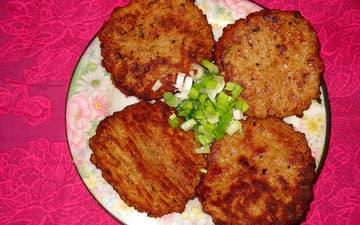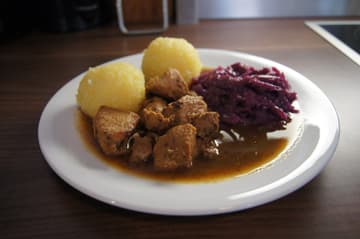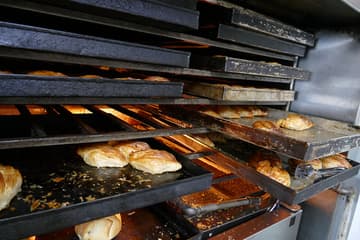

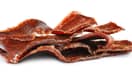
Photo: Peter G Werner · CC BY 2.5
Why it is Haram
The prohibition of swine covers flesh and fat alike. Classical jurists discuss shahm al-khinzir (pig fat) explicitly; rendered lard does not undergo istihalah into a new lawful substance—it remains pork fat. There is no credible minority opinion that makes culinary lard Halal.
Trace amounts in food still render the dish impermissible. The practical scholarship is labelling literacy: 'lard' is decisive; 'vegetable shortening' is the common Halal-path substitute.
Quranic guidance
-
Surah Al-Ma'idah 5:3
"Forbidden to you are dead animals, blood, the flesh of swine, and that which has been dedicated to other than Allah."
Where it shows up
- Flaky pie crusts, biscuits, and pastries
- Frying and confit-style cooking
- Traditional refried beans and tamales
- Some flour tortillas and doughnuts
- Spread or cooking fat in heritage recipes
What decides the answer
-
Any true lard (rendered swine fat)
Haram -
Food cooked in lard — even if the food itself is plant or Halal meat
Haram -
Vegetable shortening / plant oils labelled as such: not lard
Why this ruling
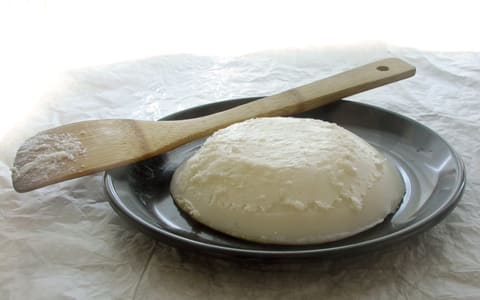
Lard is rendered pork fat—pig fatty tissue heated until the fat liquefies, then cooled into a white, spreadable cooking fat. Leaf lard (from around the kidneys) is prized by pastry cooks for flakiness; kettle-rendered and hydrogenated supermarket lards are the workhorses of older bakery and frying traditions. In Islamic law the chemistry does not create a loophole: the source animal is the pig, and pig fat is forbidden along with pig flesh.
Primary identity evidence
The U.S. Department of Agriculture’s National Agricultural Library thesaurus defines lard plainly as “Rendered fat derived from swine” (NAL Thesaurus: lard, retrieved 20 July 2026). That is manufacturer- and regulator-facing language, not a blog paraphrase: if the fat is lard, it is swine fat. USDA AMS institutional meat purchase materials likewise discuss edible pork lard as a specified pork product (see AMS IMPS fat/lard item language, IMPS 700 series draft PDF, retrieved 20 July 2026).
Quranic prohibition of swine is explicit in 5:3 and related verses; scholars apply it to every edible part. This page covers lard, pork fat, leaf lard and bacon grease: the same pork-fat ruling applies in every school.
Culinary hiding places (why Muslims still ask)
Nobody mistakes a pork chop. Lard hides because it disappears into texture:
- Pastry. Traditional pie crusts, biscuits, and some puff-style doughs use lard for shortness and flake.
- Latin American staples. Classic refried beans and some tamales are cooked with lard; vegetarian versions using vegetable oil are now widely sold—ask which one you are getting.
- Frying. Some heritage doughnut shops and tortilla makers still prefer lard.
- Seasoning. Bacon grease is a related pork fat used as flavour; it carries the same Haram ruling.
Market differences matter for likelihood, not for ruling. In many U.S. and European heritage bakeries lard still appears; in Gulf and Malaysian commercial bakeries vegetable shortenings dominate. Traveling does not change the definition of lard—it changes how often you must ask. Kosher “pareve” bakery fats are usually plant-based and can be a practical signal in mixed Western grocery aisles, but the decisive check remains the ingredient word itself: if the label still says lard, no cultural or marketing frame makes it Halal.
Substitutes that preserve the recipe
| Use | Halal fat swap |
|---|---|
| Flaky pastry | Butter, ghee, or vegetable shortening |
| Frying | High-smoke-point plant oils (e.g. canola, sunflower, peanut where appropriate) |
| Refried beans / tamales | Vegetable oil versions (often labelled vegetarian) |
| Spread / roasting | Olive oil, butter, or ghee |
Realistic verification
- Read ingredient lists for lard / pork fat.
- Treat unnamed animal shortening as unsafe until clarified.
- Ask: “Is the crust/beans made with lard or vegetable fat?”
- Do not rely on “it doesn’t taste like pork”—fat is designed to be subtle.
- When in doubt, choose clearly plant-fat or butter-based products.
How to verify
Check labels carefully for alternate names or derivatives linked to lard (Pork Fat), and choose clearly Halal or plant-based alternatives instead.
Frequently asked questions
Is lard different from pork meat in Islamic law?
What if a pie was only made with a little lard?
Is 'leaf lard' somehow cleaner or Halal?
How do I spot lard on labels?
Can food fried in lard be washed or cooked further to become Halal?
Is pork fat treated differently from pork meat in Islamic law?
What foods commonly hide pork fat?
If food was just fried in lard, can I eat the food itself?
Is 'shortening' on a label a problem?
What about pork fat in soaps or non-food products?
Sources
Named Islamic, certifier, manufacturer, and regulatory sources used on this page. Inline markers like [1] jump here. Retrieval dates show when we last checked the live URL. Editorial methodology.
Islamic / scriptural
-
Qur'an Retrieved
Forbids carrion, blood, the flesh of swine and what is dedicated to other than Allah.
-
Regulatory / labelling
-
Retrieved
-
Retrieved
Halal-conscious recipes
A substitution-led recipe that uses this analysis.