Is Shortening Halal?
It depends on what the label says.
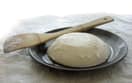
Shortening is a solid cooking fat for baking and frying.
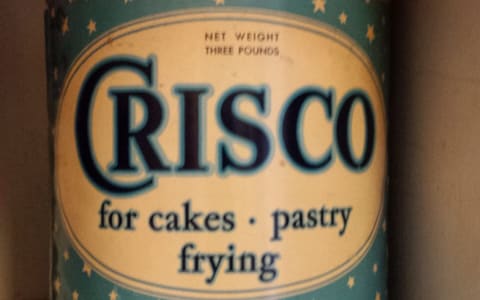
Photo: DanielPenfield · CC BY-SA 4.0
How to verify
- Read the fats: soybean, palm, rapeseed or cottonseed oil are plant; lard is pork; tallow or beef fat is cattle.
- Look for mono- and diglycerides (E471): fine in an all-vegetable product, a question in a blend.
- "Shortening" in a bakery or packaged-cake ingredient list without a source is unverified.
- A Halal mark settles it.
What decides the answer
-
All-vegetable shortening (Crisco All-Vegetable, Trex)
Halal if verified: plant oils, not Halal-certified -
Shortening made with tallow or beef fat
Halal only from Halal-slaughtered cattle -
"Shortening" listed in a bakery product with no source
unverified; ask or look for a Halal mark -
Shortening made with lard
Haram
Why this ruling
Shortening is a solid cooking fat used for pastry, biscuits, icing and frying. Unlike butter or margarine, it is all fat. Its Halal status depends entirely on which fat it is made from.
Vegetable shortening
The best-known brands are plant-based. Crisco All-Vegetable Shortening, sold in the US, lists soybean oil, fully hydrogenated palm oil, palm oil, mono- and diglycerides, and TBHQ and citric acid as antioxidants.[1] In the UK, Trex lists only palm and rapeseed oil and is labelled 100% vegetable.[2]
Neither is Halal-certified. Crisco's own FAQ covers baking and storage but says nothing about Halal or ingredient sources.[4] Crisco's mono- and diglycerides (E471) are the one ingredient that can come from animal fat, but the product is sold as all-vegetable. On their listed ingredients, both are Halal for most Muslims.
Animal shortening
Shortening can also be made from animal fat. If it is lard, it is Haram. If it is beef tallow, it is Halal only when the cattle were slaughtered Islamically. IFANCA's shopper guide lists animal fat in shortening, and mono- and diglycerides, as doubtful until the source is confirmed.[3]
Shortening as an ingredient
The word often appears in packaged cakes, pastries and biscuits without saying which fat it is. In that case it is unverified: look for "vegetable shortening" with the oils named, a vegetarian or vegan label, or a Halal mark.
Where you'll find it
- Pie crusts, biscuits and cookies
- Cake and icing (buttercream-style frostings)
- Deep-frying
- An ingredient in packaged cakes and pastries
Frequently asked questions
Is shortening Halal?
Is Crisco Halal?
Is Trex Halal?
What is the difference between shortening and margarine?
What does "animal shortening" mean?
Scholarly view
Shortening raises no issue of its own; its ruling follows what it is made from. Plant oils are Halal. Pork fat is Haram in every school. Fat from cattle or sheep follows the slaughter, as on the beef tallow page.
Mono- and diglycerides follow their source fat, which is why certifiers such as IFANCA list them, and animal fat in shortening, as doubtful until confirmed.
Sources
Named Islamic, certifier, manufacturer, and regulatory sources used on this page. Inline markers like [1] jump here. Retrieval dates show when we last checked the live URL. Editorial methodology.
Certifier / jurisdiction
-
IFANCA Halal Shopper’s Quick Reference Guide
IFANCA Retrieved
Lists mono/diglycerides, animal fat in shortening, gelatin, flavourings, and some vitamin carriers as mashbooh until confirmed with the manufacturer or a Halal mark.
Manufacturer / product
-
Crisco All-Vegetable Shortening (barcode 0196005242504)
Open Food Facts (ingredient list transcribed from pack photos) Retrieved
Soybean oil, fully hydrogenated palm oil, palm oil, mono and diglycerides, TBHQ and citric acid (antioxidants). Butter-flavour sticks (0051500251959) add natural and artificial flavour and beta-carotene.
-
Open Food Facts (ingredient list transcribed from pack photos) Retrieved
Palm oil, rapeseed oil (in varying proportions). Labelled 100% vegetable.
-
Crisco (The J.M. Smucker Company) Retrieved
Covers storage, substitutions and baking; no statement on Halal, kosher or ingredient sources.
People also check
Related ingredients and products for this item.

Browse this topic
Open the parent category hub for more foods in the same group.