
Are Pastries Halal?
Yes — this one is Halal.
Pastries are Halal when made with permissible fats and fillings.
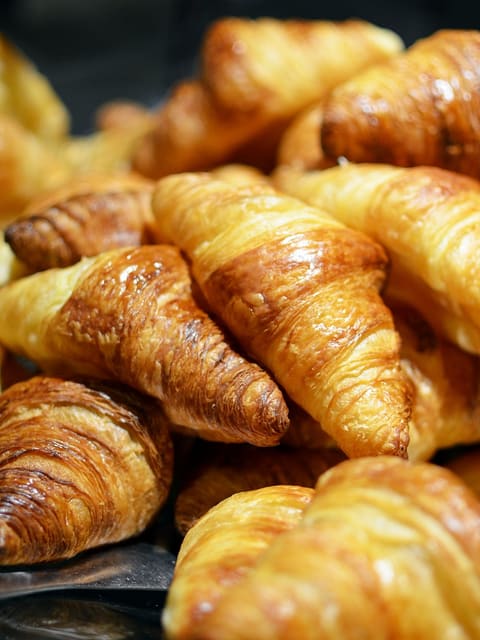
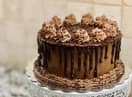
Photo: בר · CC BY-SA 3.0
What decides the answer
-
Vegetable-fat or clear Halal butter pastries
Halal -
Lard or unspecified animal shortening
avoid -
Gelatin glazes / alcohol flavours
verify or skip -
Meat fillings
Halal meat required
Where you'll find it
- Croissants, danishes, and puff pastry
- Sweet tarts and filled turnovers
- Savoury meat or cheese pastries
- Bakery breakfast cases
Why this ruling
Pastries are baked goods built on flour and fat—shortcrust, puff, choux, danishes, turnovers, and related laminated doughs. The category ruling is Halal with conditions: plant fat or clear butter plus Halal fillings are fine; lard, alcohol flavours, gelatin glazes, and non-Halal meat fillings are not.
Fat is the first fork in the road
| Fat system | Typical Halal read |
|---|---|
| Butter | Generally Halal |
| Vegetable shortening / margarine (plant oils) | Halal when no animal additives |
| Lard / pork fat | Haram |
| Unspecified “animal shortening” | Avoid until identified |
| Halal-certified bakery fat systems | Clearest option |
Traditional pie crusts in some Western bakeries still use lard for flakiness. Always ask. Croissant-style pastry should be butter; bargain cases sometimes substitute blends—see the croissants page for laminated dough detail.
Fillings and finishes
Sweet pastries fail more often on toppings than on dough: gelatin-set fruit gels, alcohol-soaked raisins, rum pastry cream, and carmine-coloured icing. Savoury pastries fail on meat: chicken or beef must be Halal-slaughtered; pork pies and bacon danishes are Haram. Cheese pastries follow cheese-enzyme questions when rennet source matters to you.
Frozen supermarket puff pastry is often plant-fat and convenient—read the panel for emulsifiers. FDA labelling rules require ingredient lists on packaged pastry (FDA labelling rules, retrieved 20 July 2026). Brand sites for frozen pastry (for example major grocery private labels and specialists) publish allergens; they rarely replace a Halal audit. Tesco's ready-rolled puff pastry, for example, carries a Vegan mark on the front of the pack (a 2021 photo), which rules out animal fat, though not a Halal audit.[3]
Bakeries, cafés, and shared equipment
Open bakery cases mix Halal-possible croissants with pork sausage rolls on adjacent trays. Strict practice asks about shared knives, proofers, and fryers (for doughnuts sold beside pastry). Halal-certified shops solve most of this. In Malaysia, check JAKIM’s Portal Halal / MYeHALAL (retrieved 20 July 2026). Café alcohol service does not chemically contaminate a sealed pastry, but kitchens that reduce wine into sauces may also brush pastry glazes—ask when ordering “boozy” dessert specials.
Home pastry
Home bakers control the outcome: vegetable shortening or known butter, Halal fillings, gelatin-free glazes (agar/pectin), alcohol-free extracts. Commercial phyllo and puff sheets are usually plant-based but still deserve one label read per brand.
Hotel buffets, airport bakeries, and frozen heat-and-eat
Hotel breakfast pastry trays are high-uncertainty environments: croissants may be butter, meat pockets may be non-Halal, and glazes are rarely labelled. Ask staff which items are pork-free and what fat the kitchen uses; if answers are vague, choose fruit, yogurt, or sealed Halal snacks instead. Airport bakeries face the same issue with even less time to interrogate the case.
Frozen heat-and-eat pastries from the supermarket freezer are easier because panels list fats and fillings. Watch for “meat flavour,” gelatin, and wine in gravy-filled turnovers. Vegetarian cheese pastries still need rennet/enzyme awareness if that matters in your practice. Catering platters for events should come from a Halal bakery when Muslim guests are expected—do not assume “veggie danish” is automatically clear if the shine is gelatin.
Savoury cultural pastries (samosa-adjacent cases, empanadas, börek) follow the same fat-and-filling rules even when not marketed as “French pastry.” The English word “pastries” is broad; the Halal checklist stays narrow: fat, filling, glaze, kitchen.
Realistic verification
- Fat source stated and permissible?
- Filling Halal (no pork; meat certified if required)?
- Glaze/flavour free of gelatin and alcohol?
- Kitchen cross-contact acceptable for your standard?
How to verify
- Ask whether the fat is butter, vegetable shortening, or lard.
- Reject lard or unspecified animal shortening.
- Check sweet fillings and glazes for gelatin and alcohol flavour.
- For meat-filled pastries, require Halal meat and kitchen practice.
- Prefer Halal bakeries or certified packaged pastries when available.
Frequently asked questions
Are pastries Halal?
Is butter pastry Halal?
Do croissants use lard?
Can fruit danish glaze be a problem?
Where can I find Halal pastry shops?
Is Tesco puff pastry Halal?
Scholarly view
Pastry is a technique family (shortcrust, puff, choux, laminated yeast doughs). Fiqh tracks fat and filling, not flakiness. Classical concern about non-Halal animal fat in pie crusts still applies where lard is traditional. Alcohol in pastry cream flavourings and gelatin in fruit glazes are modern industrial failure modes.
Sources
Named Islamic, certifier, manufacturer, and regulatory sources used on this page. Inline markers like [1] jump here. Retrieval dates show when we last checked the live URL. Editorial methodology.
Certifier / jurisdiction
-
Retrieved
Manufacturer / product
-
Tesco Ready Rolled Large Pack Puff Pastry (barcode 5057753907464)
Open Food Facts (pack photo) Retrieved
Front of a Tesco Ready Rolled Large Pack Puff Pastry, with a green 'Vegan' mark and a use-by date of 17 February 2021. The record has no ingredient list.
Regulatory / labelling
-
Retrieved
People also check
Related ingredients and products for this item.
Browse this topic
Open the parent category hub for more foods in the same group.