
Are Croissants Halal?
It depends on what the label says.
A plain butter croissant can be Halal when flour, butter, yeast, milk, and eggs are Halal and the bakery avoids lard or alcohol washes.
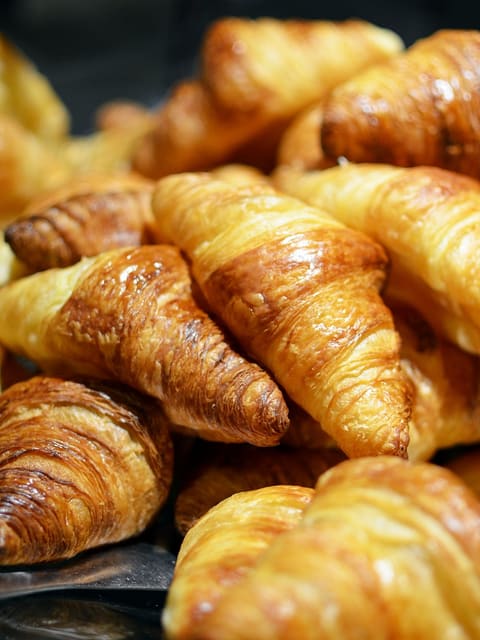
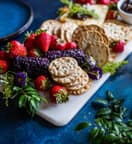
Photo: בר · CC BY-SA 3.0
How to verify
- Prefer plain croissants with butter (or clearly plant fat) and no alcohol flavourings.
- Reject ham, bacon, or wine-poached fillings.
- Ask bakeries about lard, shared slicers, and egg wash ingredients.
- Choose Halal-certified bakeries or industrial croissants when you need an audited supply chain.
What decides the answer
-
Plain butter croissant with clear Halal ingredients
Halal -
Halal-certified bakery / industrial croissant
Halal -
Unknown café croissant with no ingredient info
Halal if verified -
Lard shortening or ham/bacon filling
Haram
Why this ruling
Croissants are laminated yeast pastries: dough sheeted with fat, folded, and baked into flaky crescents. The classic fat is butter; cheaper industrial lines may use margarine or shortening. Fillings range from plain and chocolate to almond cream to ham and cheese. The Halal question is not “is pastry allowed?”—it is which fat and which filling this croissant used.
On the shelf
UK supermarket all-butter croissants keep it simple. Tesco's list wheat flour, "18% Butter (Milk)", water, sugar, yeast, salt, egg and ascorbic acid as the flour treatment agent,[3] and M&S's list butter at 29% with a similar short list.[4] Neither lists an emulsifier or animal fat other than butter. Some US packaged croissants are made with margarine instead, and that margarine can list whey and "mono and diglycerides" (E471), whose source is not stated.[5]
Why the page is Halal if verified
A transparent plain butter croissant from a Halal-aware bakery is routinely Halal. Grocery multipacks and anonymous café cases often give no fat source, may use animal-based emulsifiers, and sit beside pork sausages rolls. That opacity keeps the category Halal if verified at product level even though the pastry concept is fine.
| Croissant type | Typical Halal read |
|---|---|
| Plain butter, clear ingredients | Halal |
| Pain au chocolat / almond with clear dough | Often Halal—still verify |
| Ham & cheese / bacon croissant | Haram filling |
| Unknown café croissant | Halal if verified |
| Halal-certified industrial croissant | Halal |
Ingredient labelling for bakery fats and emulsifiers falls under general food rules (see FDA Food, retrieved 20 July 2026). EU packs may list E471 without naming animal vs plant origin—escalate to certification when that matters to you.
Butter, margarine, and lard
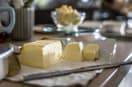
- Butter — dairy; generally Halal (butter).
- Plant margarine — usually Halal if no restricted additives.
- Lard / pork shortening — Haram (lard).
“All-butter” marketing helps but is not a Halal certificate. Ask industrial suppliers or read the specification sheet when buying for a Muslim event.
Fillings and washes
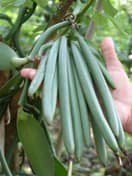
Savoury croissants with ham, bacon, or wine-braised onions fail independently of the dough. Egg washes are normally fine. Some almond syrups and vanilla aroma preparations use alcohol carriers—see vanilla extract when the bakery uses real extract rather than powder.
Bakeries and cross-contact
Shared laminators and knives with pork pastries do not chemically transform butter into lard, but many consumers prefer Halal bakeries to avoid doubt and grease transfer. In Muslim-majority cities, croissant chains often carry national Halal marks—verify via JAKIM’s Portal Halal / MYeHALAL (retrieved 20 July 2026) for Malaysian products.
Realistic verification
- Choose plain or chocolate from bakeries that disclose butter and no pork.
- Skip ham-and-cheese by default.
- For frozen supermarket croissants, read the full fat and emulsifier list.
- Prefer Halal-certified brands for school snacks and large orders.
- Re-check seasonal specials (champagne cream, liquor-soaked raisins).
Frozen bake-at-home croissants
Supermarket frozen raw or par-baked croissants are often easier to audit than an anonymous café case because the box must list fats and additives. Still watch for butter blends, emulsifier codes without plant/animal clarity, and savoury products with meat fillings. If you bake them at home in a Halal kitchen, you remove restaurant cross-contact concerns even when the industrial dough still needed a label read at purchase.
Where you'll find it
- Breakfast plain or butter croissants
- Chocolate (pain au chocolat) and almond croissants
- Ham and cheese savoury croissants
- Sandwich croissants in cafés
Frequently asked questions
Are croissants Halal?
Is butter in croissants a problem?
Are chocolate croissants Halal?
What about almond croissants?
Can I eat croissants from a non-Halal bakery?
Scholarly view
Laminated viennoiserie is not inherently Haram. Dairy butter from Halal-permissible milk is widely accepted. The fiqh issues are the same as other bakery goods: pork fat, non-Halal meat fillings, doubtful emulsifiers when animal-sourced, and alcohol extracts. Certification or a transparent bakery answers those faster than guessing from flakiness.
Sources
Named Islamic, certifier, manufacturer, and regulatory sources used on this page. Inline markers like [1] jump here. Retrieval dates show when we last checked the live URL. Editorial methodology.
Certifier / jurisdiction
-
Retrieved
Manufacturer / product
-
Tesco croissants (5000119155818)
Open Food Facts (pack record) Retrieved
Record updated March 2026. Ingredients: wheat flour, '18% Butter (Milk)', water, sugar, yeast, salt, pasteurised egg, 'Flour Treatment Agent (Ascorbic Acid)'.
-
M&S All Butter Croissants (00502566)
Open Food Facts (pack record) Retrieved
Record updated September 2026. Ingredients: wheat flour, 'Butter (Milk) (29%)', water, sugar, yeast, wheat gluten, dried whole milk, pasteurised egg, salt, fermented wheat flour, flour treatment agent ascorbic acid.
-
First Street sliced croissants, US (0041512082795)
Open Food Facts (pack record) Retrieved
Ingredients include 'margarine (palm oil, water, soybean oil, salt, whey [milk], mono and diglycerides, soybean lecithin [soy]', then a natural butter flavouring.
Regulatory / labelling
-
Retrieved
People also check
Related ingredients and products for this item.
Browse this topic
Open the parent category hub for more foods in the same group.