
Photo: Ph scale 56 · CC BY-SA 4.0
What decides the answer
-
Plain, wholemeal, strong, or durum wheat flour
Halal -
Flour with ascorbic acid (E300) as treatment agent
Halal -
Flour or bread declaring L-cysteine (E920)
verify that additive -
Self-raising flour
raising agents are mineral salts, Halal -
Flour blended into a finished product
judge the other ingredients
Where you'll find it
- Bread, rolls, and flatbreads
- Cakes, biscuits, and pastry
- Pasta and noodles
- Batters and coatings
- Thickening sauces
Why this ruling
Wheat flour is milled wheat grain, and on its own it is one of the least complicated ingredients you will meet. A cereal is a plant. Nothing about grinding it introduces an animal or an intoxicant.
So why does flour turn up on Halal checklists at all? Not because of the flour.
The line beside it
Millers and industrial bakers frequently add a flour treatment agent — an additive that changes how dough behaves, making it stronger, more extensible, or faster to process. The phrase is a category, not a substance, and the substances inside it differ sharply:
- Ascorbic acid (E300) — vitamin C, synthetic or plant-derived. No issue; see E300.
- L-cysteine (E920) — an amino acid used to relax dough. This is the one that matters.
L-cysteine can be produced by microbial fermentation, but it has also historically been derived from animal sources including feathers and hair. That variability is why this site rates L-cysteine as Halal if verified while rating the flour carrying it as Halal.
That distinction is the whole point of this page. Conflating the two turns an ordinary bag of flour into a doubtful product, when the real question is one named additive that may not even be present.
What the different flours change
| Flour | What is different | Effect on the ruling |
|---|---|---|
| Plain / white | Endosperm only | None |
| Wholemeal | Whole grain retained | None |
| Strong / bread | Higher protein wheat | None |
| Self-raising | Raising agents blended in | None — mineral salts |
| Durum semolina | Coarse-milled durum wheat | None |
Self-raising flour is the only one that adds anything, and what it adds are raising agents such as sodium bicarbonate and a phosphate. Mineral salts, authorised under the EU additive framework where only substances assessed as safe for their intended use are listed (European Commission — Additives, retrieved 25 August 2026).[2]
Reading a bread label
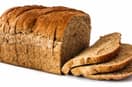
Flour is usually the first ingredient in bread, and it is almost never the interesting one. The default principle applies to it without complication (IslamQA 231261, retrieved 25 August 2026).[1]
Work down instead to:
- Flour treatment agent — is one named, and which?
- Emulsifiers — mono- and diglycerides can be plant or animal.
- Fats — a named vegetable oil is fine; unqualified "shortening" is not.
The flour has already answered for itself. The rest of the loaf has not.
How to verify
- Treat plain, wholemeal, and strong wheat flour as Halal.
- Look for "flour treatment agent" and see which one is named.
- L-cysteine (E920) is the one with a disputed source — check that page.
- Self-raising flour adds raising agents, which are mineral salts.
Quick checks
- Milled wheat is Halal without qualification.
- Read which flour treatment agent is named, if any.
- L-cysteine (E920) is the one to verify.
Frequently asked questions
Is wheat flour Halal?
What is a flour treatment agent?
Why does L-cysteine get flagged when flour does not?
Is self-raising flour different?
What about durum wheat semolina in pasta?
Scholarly view
A cereal grain raises none of the prohibited categories, so milled wheat is permissible on the default principle that things are lawful absent evidence otherwise. The reason flour appears on Halal checklists at all is the additive line beside it.
A flour treatment agent is a processing aid that strengthens or relaxes dough, and the category spans very different substances: ascorbic acid (E300) is synthetic or plant-derived and unproblematic, while L-cysteine (E920) has historically been produced from animal sources including feathers and hair as well as by microbial fermentation.
That is why this site treats L-cysteine as Halal if verified while treating the flour carrying it as Halal. The distinction is worth holding onto, because conflating the two turns an ordinary bag of flour into a doubtful product when the actual question is a single named additive.
Sources
Named Islamic, certifier, manufacturer, and regulatory sources used on this page. Inline markers like [1] jump here. Retrieval dates show when we last checked the live URL. Editorial methodology.
Islamic / scriptural
-
IslamQA 231261 — Everything Is Permissible in Islam Until Proven Prohibited
IslamQA Retrieved
Cites Ibn Taymiyah that in principle all things are permissible and pure, and al-Uthaymeen that the basic principle for foods and drinks is permissibility absent evidence to the contrary.
Regulatory / labelling
-
European Commission Retrieved
Defines food additives and sets out that only substances assessed as safe for their proposed uses appear on the EU list. Context for the flour treatment agent category — not a Halal ruling on any particular agent.
People also check
Related ingredients and products for this item.