
Is L-Cysteine Halal?
It depends on what the label says.
L-cysteine (E920) is a dough conditioner that may be made from human hair, feathers, porcine bristles, or synthetic/microbial routes.
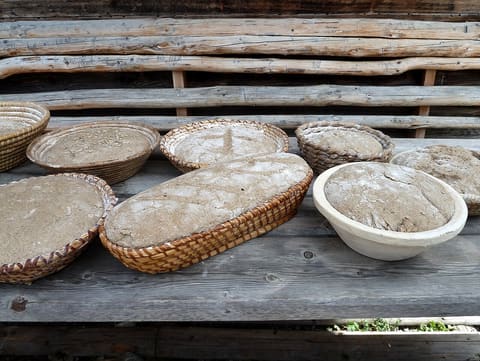
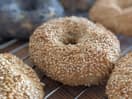
Photo: Wald1siedel · CC BY-SA 4.0
Additive identity
Possible source pathways
The finished molecule can be identical across feedstocks. The Halal ruling follows the pathway, not the code alone.
E920 Possible source pathways
- synthetic Halal Typical Synthetic or microbial/fermentation L-cysteine is accepted as Halal by common certifier practice after audit.
- animal Halal if verified Feather-derived cysteine is often accepted after audit; porcine bristles are haram.
- human Haram Human-hair L-cysteine is rejected by named Hanafi fatwas (e.g. Askimam) and most certifier lists.
- undisclosed Halal if verified Typical Labels almost never name the feedstock.
How to verify
- Scan bread, bagel, burger-bun, and pizza-base improvers for E920 / L-cysteine.
- Accept synthetic, microbial/fermentation, or Halal-certified sources—not unlabeled E920 if you follow certifier standards.
- Email large bakeries: ask synthetic vs feather vs hair vs other.
- Prefer short-ingredient or certified bakery bread when unsure.
Quick checks
- E920 source is the whole question.
- Synthetic/microbial → Halal under common certifier practice after audit.
- Human-hair and porcine routes rejected by named fatwas/certifier lists.
- FDA/EU identity ≠ Halal permission.
- Artisan short formulas often skip E920 entirely.
What decides the answer
-
Synthetic / microbial / fermentation L-cysteine — under common certifier practice after audit
Halal -
Unspecified E920 on an uncertified pack — mashbooh / source-dependent
Halal if verified -
Porcine-derived L-cysteine — under certifier practice
Haram -
Feather-derived L-cysteine: accepted by many certifiers after audit
-
Human-hair-derived L-cysteine: rejected by named Hanafi fatwas and most certifier lists
Why this ruling
L-cysteine (EU code E920) is an amino-acid dough conditioner. Processors use it to weaken gluten slightly so high-speed lines can sheet dough and keep packaged bread soft. The Halal question is not the amino acid itself—it is which feedstock the factory used.
Commercial supply has included human hair, duck or poultry feathers, porcine bristles, and, increasingly, synthetic or fermentation (microbial) routes. Finished labels almost never say which. That opacity is why E920 is a classic mashbooh additive: the chemistry on the pack looks innocent, while the upstream source may not be.
Source distinctions that matter
| Source | Typical certifier / named-fatwa stance |
|---|---|
| Synthetic / microbial | Halal after audit (common practice) |
| Poultry feathers (audited) | Often accepted |
| Human hair | Rejected (dignity / non-food origin) |
| Pork-derived | Haram |
| Undisclosed | Hold / avoid until verified (mashbooh) |
U.S. food law lists L-cysteine as GRAS with dough-strengthener / flour-treating uses under 21 CFR § 184.1271 (retrieved 12 August 2026); the FDA Substances Added to Food entry for L-CYSTEINE (retrieved 12 August 2026) cross-references that regulation. Regulatory identity is not a Halal certificate. SANHA’s mashbooh E-number list marks E920 (cysteine hydrochloride) and related cysteine entries as source-dependent (hair, feathers, or synthetic): sanha.org.za/e-numbers/mashbooh-e-numbers (retrieved 12 August 2026). Askimam 19249 rejects human-hair cysteine and accepts feather/non-pig and synthetic routes in that Hanafi ruling (islamqa.org/hanafi/askimam/19249, retrieved 2 August 2026).
Some contemporary fatwas argue istihalah (complete transformation) makes even hair- or pork-origin cysteine permissible. Named certifier lists and Askimam-style practice generally do not rely on that for E920—they require an audited acceptable route. This page stays Halal if verified for unlabeled products so both approaches remain visible.
Where to look. Soft sandwich bread, bagels, burger buns, and frozen pizza bases are the usual places. Traditional flatbreads and many artisan loaves list only flour, water, yeast, and salt—no E920. Supplements that sell “L-cysteine” as an amino acid are a separate product check (same source logic).
Realistic verification. (1) Prefer Halal-certified bakery brands in your market. (2) Read the improver line; if E920 appears, use the brand’s ingredient FAQ or a one-line email asking for synthetic vs animal/hair origin. (3) If you follow istihalah fatwas that permit all E920, you may clear unlabeled bread under that opinion—but do not present that as certifier consensus. Building a short household list of cleared bread brands beats re-litigating every loaf.
Industrial bread versus artisan loaves
L-cysteine speeds soft bread lines; traditional flatbreads often never use it. EU additive code E920 appears on improver lists—see SANHA’s source-dependent listing (sanha.org.za/e-numbers/mashbooh-e-numbers, retrieved 12 August 2026) and U.S. identity at 21 CFR § 184.1271 (retrieved 12 August 2026).
Burger buns, pizza bases, and cereals
Fast-food buns and frozen pizza dough are high-probability E920 vehicles. Breakfast cereals occasionally list dough-conditioner cousins—rare but worth a glance. Building a shortlist of cleared supermarket loaves (synthetic cysteine confirmed, or no improvers) saves weekly re-checking. If a bakery answers “vegetarian dough” without naming cysteine source, follow up once; hair-derived cysteine has historically been marketed as “natural.”
Where you'll find it
- Commercial soft bread and rolls
- Bagels and pizza dough bases
- Some breakfast cereals and meat-flavour systems
- Dietary supplements (as the amino acid itself)
Frequently asked questions
What is E920 used for?
Does 'natural' L-cysteine mean Halal?
Is L-cysteine in every supermarket loaf?
Can I email the bakery?
Scholarly view
Two contemporary approaches coexist. Some fatwas treat chemically transformed L-cysteine as permissible regardless of origin (istihalah). Named Hanafi practice (e.g. Askimam 19249) and certifier E-number lists such as SANHA’s mushbooh entry for E920 do not: they reject human-hair cysteine on dignity grounds, reject porcine sources, and accept feather-, plant-fermentation-, or fully synthetic routes after audit.
FDA GRAS identity (21 CFR § 184.1271) only confirms the additive is allowed in food—it is not a Halal certificate. This site marks unlabeled E920 as Halal if verified so readers can apply their madhhab or certifier standard—not as a claim that every loaf is haram.
Sources
Named Islamic, certifier, manufacturer, and regulatory sources used on this page. Inline markers like [1] jump here. Retrieval dates show when we last checked the live URL. Editorial methodology.
Islamic / scriptural
-
Askimam 19249 — Is L-Cysteine permissible?
Askimam (via IslamQA.org) Retrieved
Human-hair L-cysteine impermissible; feather/animal-hair (non-pig) and synthetic routes permissible in this Hanafi ruling.
Certifier / jurisdiction
-
SANHA — Mashbooh E-numbers (E920 cysteine hydrochloride)
SANHA Retrieved
Lists E920 (and related E910) as mushbooh / source-dependent (hair, feathers, or synthetic).
-
Retrieved
Directory check when a Malaysian Halal bakery mark is claimed—not a global E920 certificate.
Regulatory / labelling
-
21 CFR § 184.1271 — L-cysteine
U.S. eCFR / FDA Retrieved
GRAS identity and food-use conditions for L-cysteine—not a Halal ruling.
-
FDA Substances Added to Food — L-CYSTEINE
U.S. FDA Retrieved
Lists technical effects (dough strengthener / flour treating) and cites 21 CFR 184.1271 / 172.320—regulatory identity only.
People also check
Related ingredients and products for this item.

Halal-conscious recipes
A substitution-led recipe that uses this analysis.
Browse this topic
Open the parent category hub for more foods in the same group.