
Is Pizza Halal?
It depends on what the label says.
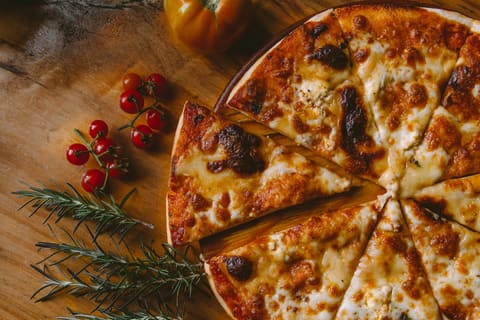
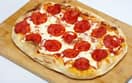
Pizza is Halal when its parts are: dough (watch L-cysteine in commercial bases), cheese (the rennet question: many UK mozzarellas are labelled vegetarian, while a label that says only 'enzymes' leaves it open), sauce (fine), and toppings (the decisive factor—pork pepperoni and sausage rule out most chain pizzas, and shared ovens/cutters extend the problem).
How to verify
- Reject pork toppings (pepperoni, sausage, ham, bacon).
- Check the cheese: a vegetarian label or microbial rennet settles it; 'enzymes' alone does not.
- Weigh shared cutters/ovens with pork pies; strict practice prefers Halal pizzerias.
- Frozen cheese/veggie pies: read the base for E920/E471 per your standard.
- Meat pizza: require certified Halal beef pepperoni and zabiha toppings.
Quick checks
- Pork toppings → Haram.
- Cheese/veggie at chains: ingredients vs shared kitchen.
- Halal pizzerias solve meat + prep together.
- Do not pick pepperoni off a cooked pie.
What decides the answer
-
Halal pizzeria pizza (certified/zabiha toppings)
Halal -
Homemade with checked ingredients — by construction
Halal -
Any pizza with pepperoni, sausage, ham, bacon at mainstream chains
Haram -
Cheese/veggie pizza from mainstream chains: ingredients largely fine, but shared prep with pork toppings - position-dependent; strict practice avoids
-
Frozen cheese/veggie pizzas: generally fine - check label for E-numbers per your standard
Why this ruling
Pizza is a stack of four simple components plus one complicated kitchen, and its halal status assembles the same way. Run the stack: dough - flour, water, yeast, salt, halal by nature, with commercial bases occasionally adding L-cysteine or E471 (the bread additives with source questions).
Sauce - tomatoes, herbs, oil: fine, with rare wine splashes in gourmet recipes. Cheese - often the easier part: many UK mozzarellas are labelled vegetarian, so no animal rennet, though a label that says only "enzymes" still needs a check, and speciality and imported cheeses revive the animal-rennet question. Toppings - here the mainstream industry falls: pepperoni, Italian sausage, ham, and bacon are pork by default, and even 'beef' versions at Western chains are neither zabiha nor separated in prep.
Which brings in the kitchen. At a mainstream Western pizzeria, one cutter wheels through every pie, one oven floor hosts them all, and one pair of gloves builds a veggie supreme seconds after a double-pepperoni. The listed ingredients of a plain cheese pizza may audit fine, but the environment is shared - a fact different Muslims weigh differently: many order veggie pies knowingly, while stricter practice (and every certifier) points to halal pizzerias instead. Note the geography rule that governs all chains: Domino's and Pizza Hut run fully halal operations in Muslim-majority countries; brand loyalty transfers, certification does not.
The halal pizza ecosystem, meanwhile, has boomed: certified pizzerias with zabiha beef pepperoni, halal chicken toppings, and clean kitchens operate in many Western Muslim communities, frozen halal pizzas stock Muslim groceries, and the home oven builds the most audited pie of all - store mozzarella (vegetarian or microbial rennet confirmed off the label), any dough you trust, and halal beef pepperoni that crisps exactly like the original. Pizza was never the problem; the pig on top of it was.
On the shelf
Supermarket pepperoni is pork. Tesco's pepperoni pizza lists "Smoked Pepperoni (10%) [Pork, …]",[4] and Red Baron's brick-oven pepperoni pizza in the US lists "Pepperoni (pork, mechanically separated chicken, beef, …)" on a mozzarella made with "enzymes" of unstated source.[5] The cheese can be clearer: Tesco's own mozzarella is labelled vegetarian.[6]
Chains, frozen aisles, and home builds
Domino’s and Pizza Hut run Halal operations in many Muslim-majority markets; the same logos in the West do not transfer certification. Plain cheese ingredient lists often audit fine, but shared prep is the honest caveat. Frozen cheese/veggie pizzas are usually easier to verify at home. Build your own with store mozzarella, dough you trust, and certified pepperoni. See also L-cysteine for commercial bases and bread for dough additives.
Food-safety and allergen labelling context: fda.gov/food (retrieved 20 July 2026). Halal restaurant directories and certification portals such as MYeHALAL (retrieved 20 July 2026) help travelers confirm local outlets.
Delivery apps and school parties
Delivery photos do not show shared cutters. If you order cheese pizza from a pork-heavy shop, decide consciously whether shared-prep risk is acceptable for your household; many Muslims do, many prefer Halal-only kitchens. School parties and office pizzas are classic trap settings—bring a Halal-pizzeria pie or a frozen certified option. Gourmet “white pies” can hide animal rennet in speciality cheeses; mass mozzarella remains the easier audit. Alcohol in fancy tomato sauces is uncommon but real—ask when a menu boasts wine reductions.
Where you'll find it
- Chain and delivery pizza
- Halal pizzeria pies with beef pepperoni
- Frozen pizzas
- Homemade pizza
Frequently asked questions
Can I order a cheese or veggie pizza from Domino's/Pizza Hut in the West?
Is pizza cheese halal?
What about 'beef pepperoni' at mainstream chains?
Is picking pepperoni off a slice okay?
Are frozen pizzas halal?
Scholarly view
Assess pizza as a stack: base (flour/water/yeast - fine; commercial bases may add E920/E471), cheese (vegetarian-labelled or microbial-rennet cheese is fine; a label that says only 'enzymes' leaves the rennet open), sauce (tomatoes and herbs - fine; rare wine additions in gourmet sauces), toppings (pork products are the mainstream default - pepperoni, sausage, ham, bacon), and the kitchen (same ovens, cutters, and hands handle pork pies). Chains in Muslim-majority countries operate halal; the same brands in the West do not.
Sources
Named Islamic, certifier, manufacturer, and regulatory sources used on this page. Inline markers like [1] jump here. Retrieval dates show when we last checked the live URL. Editorial methodology.
Certifier / jurisdiction
-
Retrieved
-
Retrieved
Manufacturer / product
-
Tesco pepperoni pizza (5057753912123)
Open Food Facts (pack record) Retrieved
Record updated March 2026. Ingredients include 'Mozzarella Full Fat Soft Cheese (Milk)' and 'Smoked Pepperoni (10%) [Pork, Durum Wheat Semolina, Salt, Dextrose, …]'.
-
Red Baron Brick Oven pepperoni pizza, US (0072180638113)
Open Food Facts (pack record) Retrieved
Record updated May 2026. Ingredients include 'Mozzarella cheese (part skim milk, salt, enzymes)' and 'Pepperoni (pork, mechanically separated chicken, beef, salt, …)'.
-
Tesco mozzarella (5018374231017)
Open Food Facts (pack record) Retrieved
Ingredients: 'Mozzarella Cheese (Milk), Acidity Regulator (Citric Acid).' Labelled vegetarian.
Regulatory / labelling
-
Retrieved
People also check
Related ingredients and products for this item.
Browse this topic
Open the parent category hub for more foods in the same group.