

Topic hub
Halal Italian food (Italy)
Italian cooking leans on a handful of ingredients that decide almost every ruling. Pork (prosciutto, guanciale, pancetta, salami), wine in sauces, animal rennet in many PDO cheeses, marsala in desserts, and shared deli slicers decide most rulings. Italy has Halal certifiers and Muslim-owned restaurants in major cities; tourist trattorie need dish-by-dish checks.
- Skip pork cuts and cured meats
- Ask whether sauces use wine
- Treat PDO hard cheeses as rennet-conditional
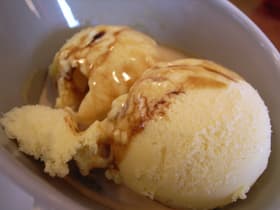
- Prefer gelato shops that list alcohol-free flavours
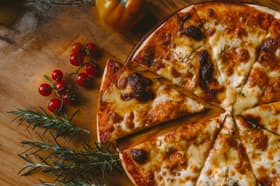
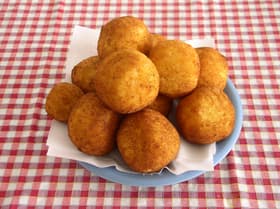
- Look for Halal-certified or Muslim-run kitchens for meat pasta, pizza, and arancini
Status overview
How foods in this topic break down by Halal ruling.
- Halal 3
- Haram 2
- Halal if verified 14
- Scholarly difference 2
Foods in this topic
21 items All topics
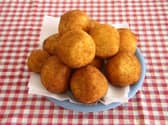
- Arancini Halal if verified
- Bottarga Halal
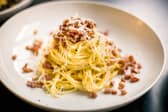
- Carbonara Halal if verified
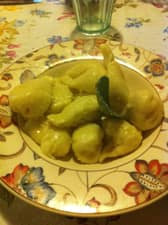
- Culurgiones Halal if verified
- Gelato Halal if verified
- Grana Padano Scholarly difference
- Lasagna Halal if verified
- Malloreddus Halal if verified
- Mascarpone Halal
- Pane Carasau Halal
- Panettone Halal if verified
- Parmesan Scholarly difference
- Pasta Halal if verified
- Pesto Halal if verified
- Pizza Halal if verified
- Porceddu Haram
- Prosciutto Haram
- Risotto Halal if verified
- Seadas Halal if verified
- Tiramisu Halal if verified
- Truffle Halal if verified

No foods match this filter.

.jpg)


Frequently asked questions
Is Italian food Halal?
Not as a whole, and the problems are specific. Cured pork (prosciutto, pancetta, guanciale, salami) runs through antipasti and pasta sauces, wine goes into risotto and ragù, and Parmigiano and pecorino are made with animal rennet. Once those three are checked, tomato and vegetable pastas, pizza with a suitable mozzarella and most gelato without liqueur are straightforward.
Is pasta Halal?
Plain pasta made from wheat and water is generally Halal. The ruling changes with the sauce and toppings—carbonara with guanciale is Haram, meat sauces need Halal slaughter, and cream or cheese sauces may use animal rennet. See the dedicated Pasta page for a full sauce checklist.
Is pizza Halal in Italy?
Pizza can be Halal if the crust, cheese, and toppings are Halal and no pork or alcohol is used. In Italy, ask about animal rennet in mozzarella or hard cheeses, shared ovens or slicers with pepperoni/prosciutto, and meat toppings from Halal suppliers. Muslim-run or Halal-certified pizzerias are the safest option.
Is carbonara Halal?
Classic carbonara uses guanciale or pancetta (pork), so the traditional dish is Haram. A Halal version needs Halal-slaughtered beef or turkey bacon alternatives (or a meat-free base) and no wine. Always confirm the kitchen recipe before ordering.
Is Italian cheese like Parmesan Halal?
Many Italian PDO cheeses (Parmigiano Reggiano, Pecorino, Grana Padano) traditionally use animal rennet, so they are Halal only if the rennet source is confirmed Halal or microbial/vegetable. When labels or restaurants cannot confirm, treat hard Italian cheeses as needing verification.
Can Muslims eat Italian food while traveling in Italy?
Yes, with care. Prefer Muslim-owned or Halal-certified restaurants in cities like Milan, Rome, and Turin; choose vegetable pasta, tomato-based pizzas with verified cheese, seafood where your school permits it, and alcohol-free gelato. Avoid cured pork, wine sauces, and unspecified deli meats.
Related topics
Explore connected ingredients, regions, and certification guidance.