What decides the answer
-
Mullet or tuna bottarga — like the fish
Halal -
Wine sauce accompaniment
separate alcohol issue -
Grated jars: check any added antioxidant or flavouring
Why this ruling
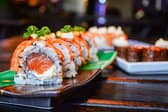
Bottarga is the whole roe sac of a fish, salted, pressed and dried until it is firm enough to slice or grate. The two classic kinds are grey mullet bottarga (bottarga di muggine), amber to dark orange and the pride of Cabras in western Sardinia, and tuna bottarga (bottarga di tonno), darker and saltier, from Sicily and southern Sardinia.[6] It is grated over spaghetti with olive oil and garlic, shaved thin over bread or artichokes, or sold ready-grated in small jars.[1]
The same food runs right around the Mediterranean and beyond. Egypt has batarekh (بطارخ), Tunisia has boutargue, Greece has avgotaraho from Messolonghi, sealed in beeswax, southern France has poutargue from Martigues, and Japan and Taiwan have karasumi. On the Atlantic coast of Mauritania, mullet roe is dried by the Imraguen fishing communities and sold on to the Mediterranean.
What decides it
| Part | Usually | Halal? |
|---|---|---|
| Roe | Grey mullet or tuna | Follows the fish |
| Cure | Sea salt | Yes |
| Coating | Beeswax or paraffin (Greek style) | Yes |
| Grated jars | Roe, salt, sometimes an antioxidant | Yes, check the list |
| The dish | Olive oil, garlic, parsley, sometimes white wine | Check the pan |
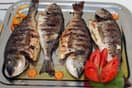
Both mullet and tuna are scaled fish, eaten without slaughter in every school, and the sea-game verse (Qur'an 5:96) is the usual starting point.[4] Roe is normally treated like the fish it comes from, which is why the caviar page is marked Halal. The scales question that affects sturgeon caviar for some Hanafi readers does not come up with mullet or tuna.[5] Some people still avoid fish eggs as a personal caution; that is a preference, not a ruling.
Where the real checks are
The roe itself is rarely the problem. The plate around it can be:
- Wine in the pan. Many Italian recipes for spaghetti alla bottarga deglaze with a splash of white wine before the pasta goes in. Ask, or order it senza vino.
- Butter or cream sauces in restaurants are fine in themselves, but cream sauces sometimes carry pancetta as well. Ask what else is in the sauce.
- Mixed seafood plates. Bottarga is often shaved over clams, prawns or sea urchin. Those are separate questions; see shellfish.
- Imitation bottarga made from other fish or bound with starch is uncommon, but read the species on the pack. "Mullet" (muggine, mugil) or "tuna" (tonno) should be named.
Buying it
A whole lobe should list only roe and salt, or roe, salt and wax. Grated jars sometimes add an antioxidant such as ascorbic acid (E300) or a little oil; neither changes the answer. Pale, dry, crumbly bottarga is old rather than unsafe. Keep it wrapped in the fridge and grate it at the table, since the flavour fades quickly once exposed.
At home, the simplest version is also the most traditional: hot spaghetti tossed with good olive oil, a little garlic and parsley, and a generous grating of bottarga off the heat. No wine is needed. For another Sardinian pasta, see malloreddus.
How to verify
- Confirm the pack names mullet or tuna and lists only roe, salt and a coating.
- Skip it if served in a wine sauce.
- Packaged or grated bottarga: read the additives.
Quick checks
- Mullet or tuna named on the pack
- Only roe, salt and wax
- No white wine in the pasta
Frequently asked questions
Is bottarga Halal?
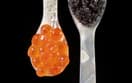
Is bottarga the same as caviar?
What is batarekh?
Sources
Named Islamic, certifier, manufacturer, and regulatory sources used on this page. Inline markers like [1] jump here. Retrieval dates show when we last checked the live URL. Editorial methodology.
Islamic / scriptural
-
Qur'an Retrieved
Eat of what is lawful and good on the earth: food is permitted unless a text forbids it.
-
Qur'an Retrieved
Sea-game verse commonly cited in seafood discussions; madhhab nuance remains.
-
IslamWeb 81789 — sea creatures being Halal
IslamWeb Retrieved
Summarises four-Imam disagreement on non-fish sea animals.
Regulatory / labelling
Context / background
-
Wikipedia Retrieved
Culinary identity: Salted, cured fish roe pouch, typically of grey mullet or bluefin tuna. Identity context, not a Halal certificate.
-