How to verify
- The pasta is durum wheat semolina and water.
- Alla campidanese or con salsiccia means pork sausage cooked into the sauce.
- A beef or lamb ragù needs Halal meat.
- Ask about the rennet in the pecorino, or order it without cheese.
Quick checks
- The pasta is semolina and water: Halal.
- Alla campidanese sauce is made with pork sausage; ask for plain tomato sauce instead.
- Pecorino sardo is made with animal rennet; ask to leave it off if that matters to you.
What decides the answer
-
Malloreddus with tomato or vegetable sauce
Halal -
Meat ragù of unknown origin
Halal if verified -
Pecorino on top
depends on the rennet -
Alla campidanese, with pork sausage
Haram
Why this ruling
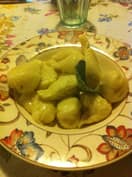
Malloreddus are Sardinia's own pasta: small, ridged shells of durum wheat semolina and water, each rolled with the thumb across a ridged board or the base of a straw basket. Some cooks colour the dough with saffron. The classic plate is malloreddus alla campidanese, from the plains of southern Sardinia: the pasta in a slow tomato sauce with crumbled pork sausage flavoured with fennel, finished with grated pecorino sardo.[3] Outside Sardinia, the dried pasta is sold as gnocchetti sardi.[1]
What decides it
| Part | Usually | Halal? |
|---|---|---|
| Pasta | Durum wheat semolina, water, sometimes saffron | Yes |
| Tomato sauce, onion, garlic, basil | Plant | Yes |
| Sausage in alla campidanese | Sardinian pork sausage | No |
| Other meat ragù | Beef, lamb or mixed | Only from Halal slaughter |
| Pecorino sardo | Sheep's milk cheese | Depends on the rennet |
The pasta is Halal. The traditional sauce is not, because the sausage is pork, and it is cooked into the sauce rather than laid on top.[2] Pecorino sardo is traditionally set with animal rennet. Rennet is Halal when it is microbial or from an animal slaughtered Islamically, not Halal when it is from pork, and a point of scholarly difference when it is from a lamb or calf not slaughtered Islamically.
Ordering in Sardinia
On Sardinian menus, malloreddus alla campidanese or con salsiccia means pork. Ask instead for malloreddus with plain tomato sauce (al pomodoro) and, if you like, a cheese whose rennet you know, or no cheese at all. Some restaurants also serve them with a vegetable or seafood sauce.
At home
Packets of gnocchetti sardi or malloreddus are semolina and water, and Halal. For a Halal version of the classic, brown Halal beef or lamb sausage with fennel seeds, add tomato passata, a pinch of saffron and simmer for half an hour. For other Sardinian food, see culurgiones and the Sardinia guide; the island's spit-roast porceddu is suckling pig.
Frequently asked questions
Are malloreddus Halal?
What is the traditional sauce?
Are gnocchetti sardi the same thing?
Can I make them Halal at home?
Scholarly view
Semolina pasta is Halal and pork sausage is Haram. Pecorino rennet: microbial or from a Halal-slaughtered animal is Halal, pork rennet is not, and rennet from a lamb or calf not slaughtered Islamically is a point of scholarly difference.
Sources
Named Islamic, certifier, manufacturer, and regulatory sources used on this page. Inline markers like [1] jump here. Retrieval dates show when we last checked the live URL. Editorial methodology.
Islamic / scriptural
Context / background
-
Wikipedia Retrieved
Culinary identity: Sardinian pasta of thin ribbed shells made of semolina flour and water. Identity context, not a Halal certificate.
-
People also check
Related ingredients and products for this item.
Browse this topic
Open the parent category hub for more foods in the same group.