
Are Shrimp (Prawns) Halal?
Scholars differ on this one.
Shrimp (and closely related prawns) are permitted by many scholars—especially within Shafi'i, Maliki, and Hanbali practice that treats sea creatures broadly as permissible.
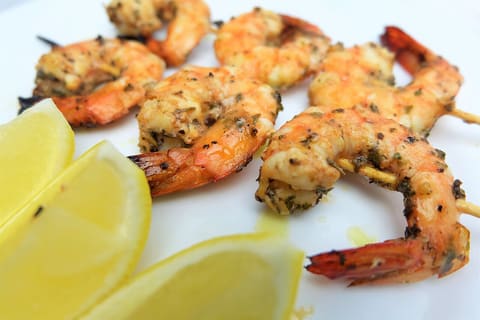
Photo: Eximiousincorp · CC BY-SA 4.0
Scholarly differences
Classical disagreement centers on whether every sea creature is ‘fish’ in the fiqh sense. Many Shafi'i, Maliki, and Hanbali scholars permit shrimp. Many Hanafi scholars are more restrictive about non-fish sea animals. Readers should follow their school or a trusted local scholar rather than treating shrimp as unanimously Halal or unanimously Haram.
What decides the answer
-
Shafi'i, Maliki, and Hanbali majority practice: shrimp treated as permissible seafood
-
Many Hanafi positions: shrimp not equivalent to fish—follow your school
-
School-agnostic strict approach: choose fish instead of disputed shellfish
-
Cooking method still needs Halal fats, stocks, and sauces
How to verify
- Decide whether you follow a madhhab that permits shrimp (common Shafi'i/Maliki/Hanbali practice) or a restrictive Hanafi seafood view.
- Apply that ruling consistently to shrimp, prawns, and similar crustaceans.
- If you only eat unanimously accepted seafood, choose fish instead.
- Separately verify cooking fats, broths, and sauces—shared fryers and pork seasoning are kitchen issues, not shellfish fiqh.
Quick checks
- Follow your madhhab (or local scholar) on shellfish vs fish.
- If you avoid disputed seafood, choose fish instead of shrimp.
- Still verify fats, sauces, and shared fryers in restaurants.
Why this ruling
Shrimp are small marine (and some freshwater) crustaceans sold peeled, shell-on, raw, or cooked across almost every cuisine. The Halal question that matters is rarely “is this shrimp contaminated with pork?”—it is whether shellfish count as the same category as fish in Islamic law.
Why scholars differ
A large body of scholarship—especially among Shafi'i, Maliki, and Hanbali jurists—permits shrimp and similar sea creatures, often under broad readings of seafood permissibility. Hanafi scholars draw a tighter line: only fish is permitted from the sea, so they divide over whether shrimp counts as a fish; those who follow its classification as a crustacean do not permit it.[1] Because sincere Muslims following different schools reach different practical answers, IsItHalal marks shrimp Scholarly difference because scholarly rulings differ, rather than forcing a single global Halal or Haram label.
Shrimp vs prawns
Biologists and menus use the words inconsistently by country. For dietary law, shrimp and prawns are one question—this page covers both names, and king, tiger and jumbo labels too. The two supermarket words do not carry different rulings.
What is not the dispute
Shrimp do not require land-animal zabiha. Alcohol is not inherent in shrimp meat. Farmed vs wild is a food-safety and sustainability topic, not a madhhab split. Imitation “shrimp” made from fish surimi follows fish rules plus any additives on that pack.
In the kitchen, after the ruling
If your school permits shrimp, you still need Halal cooking: no pork fat, no wine sauce, no shrimp fried in oil shared with bacon or non-Halal chicken if you avoid that cross-contact. Seafood restaurants that serve alcohol and pork are a separate verification problem from the crustacean ruling itself.
How to decide personally
- Ask your madhhab teacher or local scholar how they classify shrimp.
- Apply the same answer to prawns, scampi-style crustaceans, and similar shellfish unless they give a finer distinction.
- If you personally only eat items accepted across schools, order fish.
- Ignore viral “shrimp is always haram/halal” posts that erase the school difference.
Restaurants, sushi, and frozen packs
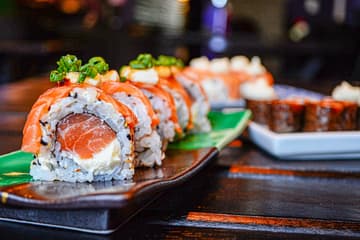
“Halal seafood restaurant” signs usually mean the kitchen avoids pork and alcohol—they do not resolve the Hanafi/non-Hanafi shellfish question for you. Sushi shrimp, tempura shrimp, and garlic-butter shrimp all inherit the same madhhab ruling on the animal, then add sauce and fryer checks. Frozen raw shrimp with only salt and water are the cleanest retail form; breaded or “scampi-style” packs can include wine, dairy powders, or shared-line seasonings. Surimi “imitation shrimp” is processed fish plus binders—follow fish and additive rules, not crustacean fiqh.
Allergies and haram are different
Shellfish allergy is a medical issue; it does not map onto Islamic law. Conversely, a shrimp dish can be medically safe and still outside your school’s dietary practice. Keep those conversations separate when explaining choices to hosts.
Keep one rule
If you eat shrimp at home under a permissive scholarly view, apply the same view to prawns and similar crustaceans rather than toggling by menu wording. If you avoid shrimp under a Hanafi-oriented rule, do not treat “prawn curry” as a loophole—the school ruling is about the crustacean, not the menu name.
Bottom line
Shrimp is a seafood question that depends on your school. Many Muslims eat it with scholarly cover; many Hanafi-oriented consumers do not. Match your plate to your fiqh—not to a restaurant slogan.
Where you'll find it
- Grilled, fried, or steamed shrimp
- Curries, stir-fries, and pasta
- Sushi, tempura, and seafood platters
- Shrimp cocktail and salads
Frequently asked questions
Is shrimp Halal?
Are shrimp and prawns the same ruling?
Does zabihah slaughter apply to shrimp?
If my school allows shrimp, can I eat any shrimp dish?
What should I order if I want zero school disagreement?
Are prawns Halal in the Hanafi school?
Can I eat breaded scampi or prawn cocktail at a restaurant?
Is farmed tiger prawn different from wild prawn for Halal?
Where can I read the sea-game verse often cited for seafood?
Sources
Named Islamic, certifier, manufacturer, and regulatory sources used on this page. Inline markers like [1] jump here. Retrieval dates show when we last checked the live URL. Editorial methodology.
Islamic / scriptural
-
The ruling of prawns and shrimps
Darul Uloom Trinidad and Tobago (Hanafi), via IslamQA.org Retrieved
Hanafi: only fish is permitted from the sea. Scholars who count shrimp as a fish (al-Damiri; Mawlana Ashraf Ali Thanwi) permit it; those who follow its classification as a crustacean do not.
-
Retrieved
-
IslamWeb 87405 — crabs and school opinions
IslamWeb Retrieved
Names Hanafi / Maliki / Shafi‘i / Hanbali positions on crab (and analogous shellfish).
-
IslamWeb 81789 — sea creatures being Halal
IslamWeb Retrieved
Summarises four-Imam disagreement on non-fish sea animals.
Certifier / jurisdiction
-
Retrieved
Regulatory / labelling
-
NOAA Fisheries — shrimp species/context
Retrieved