
Additive identity
Possible source pathways
The finished molecule can be identical across feedstocks. The Halal ruling follows the pathway, not the code alone.
E420 Possible source pathways
- plant Halal Typical Sugar alcohol from hydrogenated plant glucose, typically corn starch.
What decides the answer
-
Food-grade sorbitol / E420 from plant glucose — as an ingredient
Halal -
Finished sugar-free candy: verify co-ingredients separately
-
Pharmaceutical grades: still plant-route in normal supply; certify if you need audit proof
Why this ruling
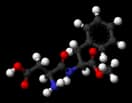
Yes—sorbitol (also D-glucitol, EU E420) is Halal as a standard food additive because it is made by hydrogenating plant glucose, not by extracting animal tissue. The classic failure mode is elsewhere on the same label—especially gelatin in “sugar-free” gummies.
Name map
| Name | Same substance? |
|---|---|
| Sorbitol | Yes |
| D-glucitol | Yes (chemical name) |
| E420 | Yes (EU code) |
| Gelatin / E441 | No—animal collagen |
Source and manufacture
Industry produces sorbitol by catalytic hydrogenation of D-glucose, usually from corn or other starch hydrolysates. FDA lists sorbitol among affirmed GRAS substances for sweetener/humectant uses.[1] In the EU it is authorized as E420.[2] That regulatory identity matters: E420 is carbohydrate chemistry, not collagen or tallow.
Where you meet it—and what else is on the label
| Product type | Sorbitol's job | Still check |
|---|---|---|
| Sugar-free hard candy | Sweetener / bulk | Colours, stearates |
| Chewing gum | Sweetener / humectant | Gum base, glycerin |
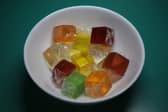
| "Sugar-free" gummies | Sweetener | Gelatin vs pectin |
| Toothpaste | Humectant | Flavours, glycerin source |
Sorbitol itself rarely flips a product to Haram. Seeing “sugar-free” and assuming Halal while gelatin remains is the common mistake.
Markets and certification
Muslim-majority markets use sorbitol widely in diabetic sweets and oral care. Consumer packs more often certify the finished candy, not the sorbitol line item.[4] Digestive tolerance (polyol laxative effect) is a health note, not a fiqh ruling.
Realistic verification
- Find sorbitol / E420 / D-glucitol.
- Confirm gelatin and doubtful glycerin/stearates separately.
- For industrial purchasing, request a current Halal certificate for the sorbitol lot.
How to verify
- Confirm sorbitol, D-glucitol, or E420—not gelatin.
- In finished candy or toothpaste, still read co-ingredients (gelatin, magnesium stearate, glycerin source, flavours).
- For bulk/industrial sorbitol, prefer Halal-certified suppliers when audits matter.
Frequently asked questions
Is sorbitol Halal?
Is E420 the same as sorbitol?
Is sorbitol made from pork?
Does sorbitol in sugar-free gummies make the gummy Halal?
Are other sugar alcohols automatically Halal too?
Scholarly view
Sorbitol occurs naturally in some fruits and is manufactured by reducing glucose. The Halal analysis tracks the carbon source (plant starch). Unlike glycerin or stearates, mainstream sorbitol rarely triggers source disputes. The product that contains sorbitol—especially gummies—may still be Haram or require verification because of other ingredients.
Sources
Named Islamic, certifier, manufacturer, and regulatory sources used on this page. Inline markers like [1] jump here. Retrieval dates show when we last checked the live URL. Editorial methodology.
Certifier / jurisdiction
-
IFANCA Halal Product Directory
IFANCA Retrieved
Useful when sugar-free candy is certified as a finished product (gelatin risk remains separate).
-
Portal Halal Malaysia (MYeHALAL)
JAKIM Retrieved
-
SANHA Retrieved
SANHA E-number consumer guidance: Status Halaal as ingredient class. Page states certification is no longer active / removed from public listings — not a current product certificate.
Regulatory / labelling
-
U.S. FDA (via eCFR) Retrieved
-
People also check
Related ingredients and products for this item.