
What decides the answer
-
Corn, potato, rice, tapioca, or wheat starch maltodextrin — as a plant polysaccharide
Halal -
Wheat-derived grades — for most consumers; allergen/gluten labelling may still matter medically
Halal -
Finished mixes: still verify other additives and flavour carriers in the same product
-
Do not confuse maltodextrin with malt vinegar, malt liquor, or barley malt beverages
Why this ruling
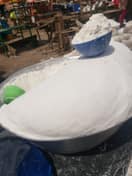
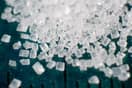
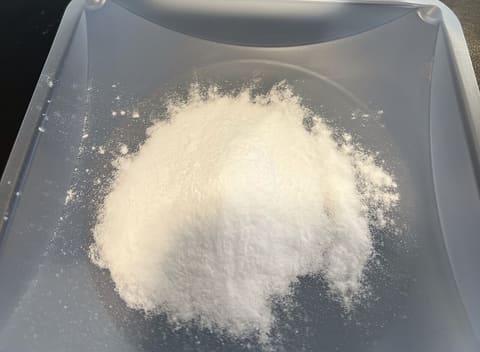
Maltodextrin is a white, barely sweet powder (or concentrated syrup) made by chopping starch molecules into shorter glucose chains. Food technologists use it to thicken, bulk, stabilize foam, and carry flavours. For Halal consumers the core fact is simple: standard maltodextrin is a plant carbohydrate, not a meat extract and not a drinkable alcohol.
What regulators say the ingredient is
In the United States, maltodextrin is affirmed as GRAS under 21 CFR 184.1444. The regulation defines it as a nonsweet nutritive saccharide polymer of D-glucose units with a dextrose equivalent (D.E.) less than 20, prepared by partial hydrolysis of corn, potato, or rice starch with safe and suitable acids and enzymes. The publicly readable Code text is mirrored at the Legal Information Institute: 21 CFR § 184.1444 — Maltodextrin (retrieved 20 July 2026). FDA's substances database likewise points food-additive users to that same section (FDA Substances Added to Food — MALTODEXTRIN, retrieved 20 July 2026).
Those plant starches are Halal. Food-grade acid or enzyme hydrolysis of starch is a standard carbohydrate process; it is not analogous to rendering animal fat or distilling whiskey. Industry also sells tapioca- and wheat-based maltodextrins outside the three starches named in the CFR identity—still plant sources.
Source distinctions that matter in the aisle
- Corn / potato / rice / tapioca maltodextrin — routine Halal plant additive.
- Wheat maltodextrin — still plant-based; watch allergen statements if you avoid gluten.
- Maltodextrin as a carrier — the Halal risk, when there is one, is usually the flavour system or vitamin premix riding on the powder, not the maltodextrin polymer.
- Name confusion — "malt" in maltodextrin does not mean the product is beer, malt liquor, or barley wine. Keep it separate from alcoholic malt beverages and from malt vinegar (a different ingredient with its own acetic-acid story).
Where you actually meet it
Instant soups, spice rubs, powdered soft drinks, protein shakes, candy centers, infant formulas, and many "natural flavor" sprays use maltodextrin because it dissolves cleanly and tastes nearly neutral. Sports gels lean on it for quick carbohydrate. None of those uses automatically make a product Halal-certified—certification, when you want it, is about the whole factory and formula—but none of them make maltodextrin itself Haram either.
Practical ruling
Treat ingredient maltodextrin as Halal. Spend your scrutiny budget on gelatin, animal-sourced mono- and diglycerides, ethanol-based flavours, and unclear "natural flavor" printed on the same label. If a certifier logo is present on a finished food, it strengthens confidence for the blend; it is not required to justify the starch powder's basic permissibility.
Market notes
EU and UK labels often list maltodextrin by name without an E-number in the same way colours are coded; some technical documents still group related starch hydrolysates near older dextrin categories. US retail labels simply say "maltodextrin" and, when wheat is the source in allergen-sensitive products, may call out wheat under FALCPA-style allergen rules. None of those labelling styles change the Halal species analysis: the polymer remains plant starch. What does change by market is the rest of a drink mix or seasoning—local flavour houses, local dairy powders, local emulsifiers—so keep judging the finished product, not the word maltodextrin in isolation.
Sports and clinical nutrition products sometimes use very high maltodextrin percentages. That makes the carbohydrate Halal-friendly as fuel; it does not auto-approve caffeine blends, collagen, or amino-acid flavours sitting in the same tub.
How to verify
- Treat plain maltodextrin from corn, potato, rice, tapioca, or wheat starch as Halal plant carbohydrate.
- On supplements and drink mixes, read the full formula—maltodextrin is often only a carrier next to flavours, creatine blends, or vitamin premixes.
- If you avoid gluten, check whether the maltodextrin is wheat-derived (allergen labelling).
- Prefer Halal-certified finished products when the same jar also lists unclear 'natural flavor.'
Quick checks
- Confirm it is starch-derived maltodextrin, not a misread for malt liquor or beer.
- Scan the rest of the ingredient list when maltodextrin is only a carrier.
- Check wheat allergen labelling if you need gluten avoidance.
Frequently asked questions
Is maltodextrin made from alcohol or beer?
Does the FDA say what maltodextrin is made from?
Is wheat maltodextrin Halal?
Why do some Halal lists still flag products that contain maltodextrin?
Is maltodextrin the same as MSG or modified starch?
Scholarly view
Maltodextrin itself is not gelatin, glycerol of unknown origin, or ethanol. The Halal analysis follows the starch plant source and the hydrolysis aids (food-grade acids/enzymes). Wheat-derived maltodextrin remains plant-based; gluten sensitivity is a medical/label issue, not a default Haram ruling.
Doubt usually comes from neighboring ingredients that share the label line, not from maltodextrin as a pure additive.
Sources
Named Islamic, certifier, manufacturer, and regulatory sources used on this page. Inline markers like [1] jump here. Retrieval dates show when we last checked the live URL. Editorial methodology.
Regulatory / labelling
-
Retrieved
-
Retrieved
People also check
Related ingredients and products for this item.