Is Dextrose Halal?
Yes — this one is Halal.
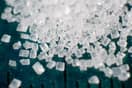
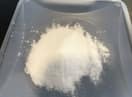
Dextrose is D-glucose, typically crystallised from hydrolysed plant starch.
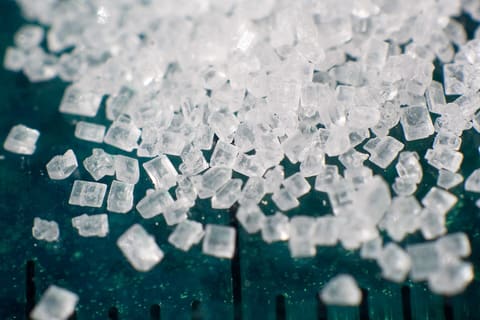
Photo: Lauri Andler (Phantom) · CC BY-SA 3.0
Why this ruling
Dextrose is the food-industry name for crystalline D-glucose, the simple sugar your body runs on. It is made from plant starch, so it is Halal.[2][1]
How it is made
Starch from maize (in the Americas), wheat or potato (in Europe) or cassava (in Southeast Asia) is broken down with water and enzymes into glucose, then purified and crystallised. The enzymes are produced by microbes, and no animal material is involved at any stage. You will see it sold as dextrose monohydrate or anhydrous dextrose; the difference is only whether water is bound into the crystal.
Where you will see it
- Baking and confectionery – it browns crusts, feeds yeast and softens the texture of sweets and fondants.
- Sports and energy products – gels, tablets and powdered drinks, because it is absorbed quickly.
- Cured meats and salami – as food for the fermentation cultures. There the Halal question is the meat, not the sugar.
- Ice cream, sauces and snacks – as a mild sweetener that also stops ice crystals and adds body.
Related sweeteners
Dextrose is one member of a family made from the same starch: glucose syrup is a liquid mix of glucose and longer chains, and maltodextrin is a less sweet, partly broken-down starch. All three come from plants, and none carries a Halal question of its own. The same holds for cornstarch, their starting point.
A note on medical dextrose
Dextrose in hospital drips and diabetic glucose tablets is the same sugar. Questions about medicine, dosage or blood sugar are for your doctor; the ingredient itself raises no Halal issue.
How to verify
- Dextrose / D-glucose on food labels → ordinarily Halal.
- Check sports blends for other additives.
- Medical drips are a clinical context—ask a clinician; the sugar itself is not a pork product.
Quick checks
- Dextrose is glucose from plant starch: Halal.
- In salami and cured meats, the dextrose is fine; the meat decides the ruling.
- In sweets and sports drinks, check the gelatin, colours and other additives.
Frequently asked questions
Is dextrose Halal?
Is dextrose the same as sugar?
Why is dextrose in salami and cured meats?
Are glucose tablets Halal?
Sources
Named Islamic, certifier, manufacturer, and regulatory sources used on this page. Inline markers like [1] jump here. Retrieval dates show when we last checked the live URL. Editorial methodology.
Islamic / scriptural
-
Qur'an Retrieved
Eat of what is lawful and good on the earth: food is permitted unless a text forbids it.
Regulatory / labelling
Context / background
-
Wikipedia Retrieved
Culinary identity: Glucose is the most abundant simple sugar, made by plants; dextrose is its D-form. Identity context, not a Halal certificate.