isithalal.food Logo

Is Sprite Halal?

Sprite’s typical lemon-lime formula—carbonated water, sugar or intense sweeteners, citric acid, natural flavors, and citrate salts—contains no pork, gelatin, or intoxicant as consumed.

Ruling

Halal

Evidence confidence
High

How we decide

Applies to
General ruling; confirm local labels, slaughter, and certification when relevant
Last reviewed
20 July 2026

Check another food

Evidence at a glance

Named sources used for this page. Open the full Sources block for notes and citation numbers.

Source Type Retrieved
Qur'an 5:90 Qur'an Islamic / scriptural 20 July 2026
Sprite — Coca-Cola US brand page The Coca-Cola Company Manufacturer / product 20 July 2026
Portal Halal Malaysia (MYeHALAL) JAKIM Certifier / jurisdiction 20 July 2026

Full Sources

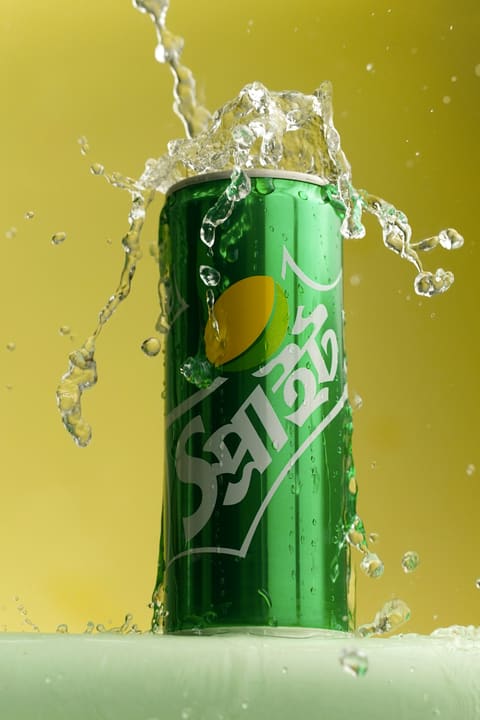
An unbranded green citrus soft drink

Why this ruling

Sprite’s typical lemon-lime formula—carbonated water, sugar or intense sweeteners, citric acid, natural flavors, and citrate salts—contains no pork, gelatin, or intoxicant as consumed. It falls under the same mainstream soft-drink analysis as Coca-Cola and Pepsi (including the 1951 Egyptian cola fatwa’s soft-drink logic). Market Halal logos add bottling assurance but are not required for the base ruling; limited editions still need a label glance.

Sprite is The Coca-Cola Company’s clear lemon-lime soda: carbonated water, sugar or high-fructose corn syrup (or intense sweeteners in Zero lines), citric acid, natural flavors, and acidity regulators such as sodium citrate. For Halal purposes that list is as ordinary as cola—no gelatin, no pork, no intoxicant as drunk.

Soft-drink ruling (same family as Coke and Pepsi)

Mainstream scholars treat mainstream carbonated soft drinks as Halal when the consumed product is free of animal-derived and intoxicating ingredients. Egypt’s 1951 fatwa by Mufti Hasanayn Muhammad Makhluf permitting Coca-Cola and Pepsi remains the headline modern reference for that category. Sprite is not named in that fatwa, but it is the same manufacturing family: sweetened carbonated water plus flavor systems. Assess it with Coca-Cola and Pepsi, not with alcoholic mixers.

Evidence and brand pages (retrieved 20 July 2026)

Coca-Cola’s US brand hub for Sprite describes the product line and variants: Sprite – Coca-Cola US (retrieved 20 July 2026). Ingredient panels on regional cans remain the binding evidence for your market—formulas can differ slightly by bottler. In Gulf and Southeast Asian markets, Sprite frequently appears with local Halal marks on the bottle; Western cans usually rely on ingredient analysis alone.

Flavor carriers. “Natural flavors” in Sprite raise the same processing-carrier question as cola: trace ethanol may be used upstream; mainstream fiqh does not treat the finished soda as an alcoholic drink. See Natural Flavors for the wider additive phrase outside soft drinks.

Sprite Zero. Aspartame and peer sweeteners are synthetic and Halal under mainstream analysis. Certification preference still follows the bottler, not the sweetener chemistry.

Practical notes

  • Limited-edition Sprite (unusual colors, dessert flavors) → read that SKU.
  • Fountain guns shared with alcoholic mixers → preference caution; sealed cans avoid it.
  • Do not assume every Coca-Cola Company beverage equals Sprite.

Sprite vs 7UP and store lemon-lime. Competing lemon-lime sodas usually share the same Halal logic when ingredients match the carbonated-water-plus-citric pattern. Do not assume every green clear soda is Sprite’s formula—store brands sometimes add unusual preservatives or colors. Fountain “Sprite” should be the branded syrup; mystery gun nozzles at concession stands deserve a quick ask if the venue also pours beer.

Sugar vs Zero. Regular Sprite’s Halal status does not depend on cane sugar vs HFCS; both are plant-derived sweeteners in mainstream analysis. Zero and diet lines swap in aspartame or similar intense sweeteners—still Halal—while caffeine-free Sprite variants (where sold) remain in the same soft-drink category. What changes the homework is dessert-flavor limited editions (cream, tropical blends, unusual dyes), not the presence of citric acid.

Mixing culture. Sprite is widely used in mocktails and as a “mixer.” The soda remains Halal; the cocktail does not. Ordering Sprite and vodka is a drink-level haram choice that says nothing bad about the sealed can in your fridge. At restaurants, prefer canned Sprite if shared soda guns bother you—the syrup ruling stays Halal either way.

Bottom line: Sprite is Halal on the same soft-drink footing as Coke and Pepsi; chase Halal logos when you want audited bottling, and glance at novelty flavors when the label stops looking like plain lemon-lime.

Where you'll find it

  • Cans, bottles, and fountain Sprite
  • Sprite Zero / diet lemon-lime
  • Mocktail mixers
  • Meals and takeaway drinks

How to verify

1) Confirm your can/bottle matches the standard lemon-lime ingredient pattern (carbonated water, sweetener, citric acid, flavors). 2) Prefer Halal-marked Sprite where Coca-Cola bottlers certify (common in Gulf and Southeast Asian markets). 3) Re-check Sprite Zero and limited-edition flavors if colors or novelty additives appear. 4) Prefer sealed cans/bottles over bar guns shared with alcoholic mixers if cross-contact concerns you.

  • Confirm standard lemon-lime ingredients on your pack.
  • Prefer Halal-marked cans where bottlers certify; logo not required for base ruling.
  • Re-check limited editions and bar-gun service separately.

Conditions for Halal

  • Standard lemon-lime Sprite ingredients → Halal (mainstream)
  • Halal-marked regional bottling → Halal with certified supply chain
  • Limited editions / unusual colors → verify that pack
  • Fountain guns shared with alcohol → optional caution

Scholarly differences

Sprite does not need a separate classical debate from cola. The 1951 Egyptian soft-drink fatwa named Coke and Pepsi; lemon-lime sodas with the same non-animal, non-intoxicating profile inherit that mainstream allowance. Residual issues are certification geography, novelty SKUs, and fountain cross-contact—not pork in clear Sprite.

Frequently asked questions

Is Sprite Halal?
Yes under mainstream soft-drink analysis. Standard Sprite is plant/synthetic ingredients only—no animal gelatin. It sits with Coca-Cola and Pepsi in the settled cola/soda category scholars have treated as permissible since the mid-twentieth century soft-drink fatwas.
Does Sprite contain alcohol?
Alcohol is not an ingredient. As with other sodas, flavor houses may use trace ethanol as a processing carrier; mainstream scholars permit that when nothing intoxicating remains in the drink—the same treatment as Coke and Pepsi.
Is Sprite Halal-certified?
Often in Muslim-majority bottling markets. In the US and UK, The Coca-Cola Company typically does not put a consumer Halal logo on Sprite; the drink is Halal by ingredients, not by Western certification.
Is Sprite Zero Halal?
Yes per mainstream analysis. Aspartame, acesulfame-K, and similar intense sweeteners are synthetic—see Aspartame. Still read novelty Zero flavors for unusual colors.
Was there a fatwa about soft drinks like Sprite?
Egypt’s 1951 fatwa by Mufti Hasanayn Muhammad Makhluf famously permitted Coca-Cola and Pepsi by name; Sprite, as a Coca-Cola Company lemon-lime soda with the same soft-drink ingredient logic, is assessed under that mainstream soda permissibility—not as a wine or beer.

Sources

Named Islamic, certifier, manufacturer, and regulatory sources used on this page. Inline markers like [1] jump here. Retrieval dates show when we last checked the live URL. Editorial methodology.

Islamic / scriptural

  1. Qur'an 5:90

    Qur'an

    Intoxicants prohibition frames soft-drink analysis as distinct from khamr.

    Retrieved: 20 July 2026

Certifier / jurisdiction

  1. Portal Halal Malaysia (MYeHALAL)

    JAKIM

    Certifier: JAKIM · Jurisdiction: Malaysia

    Public directory when a Malaysian Halal mark is claimed on the pack.

    Retrieved: 20 July 2026

Manufacturer / product

  1. Sprite — Coca-Cola US brand page

    The Coca-Cola Company

    Manufacturer brand hub; regional cans remain the binding ingredient evidence.

    Retrieved: 20 July 2026

Browse this topic

Open the parent category hub for more foods in the same group.