isithalal.food Logo

Is Fanta Halal?

Fanta’s standard fruit-soda formulas—carbonated water, sugar or sweeteners, fruit flavors, acids, and colors that are typically plant-based or synthetic—contain no pork or intoxicant as consumed.

Ruling

Halal

Evidence confidence
High

How we decide

Applies to
General ruling; confirm local labels, slaughter, and certification when relevant
Last reviewed
20 July 2026

Check another food

Evidence at a glance

Named sources used for this page. Open the full Sources block for notes and citation numbers.

Source Type Retrieved
Qur'an 5:90 Qur'an Islamic / scriptural 20 July 2026
Fanta — Coca-Cola US brand page The Coca-Cola Company Manufacturer / product 20 July 2026
Portal Halal Malaysia (MYeHALAL) JAKIM Certifier / jurisdiction 20 July 2026

Full Sources

Orange soda in a glass (product-neutral)

Why this ruling

Fanta’s standard fruit-soda formulas—carbonated water, sugar or sweeteners, fruit flavors, acids, and colors that are typically plant-based or synthetic—contain no pork or intoxicant as consumed. Mainstream soft-drink analysis places Fanta with Sprite and Coca-Cola. Market Halal logos add bottling assurance. Red/pink novelty flavors occasionally need a carmine (E120) check; otherwise the base ruling is Halal.

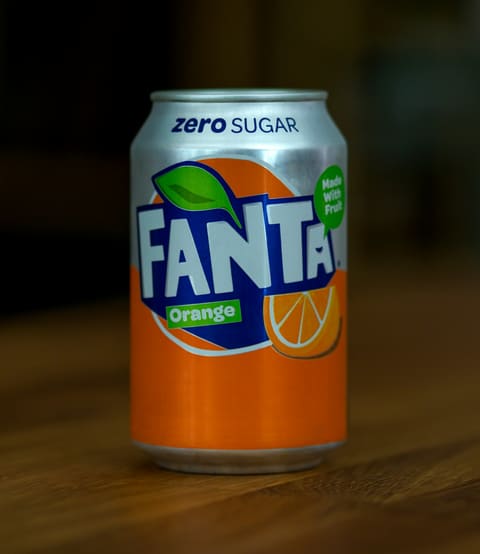
Fanta is The Coca-Cola Company’s fruit-flavored soda family—best known for orange, but sold in dozens of regional flavors. Modern cans typically list carbonated water, sugar or sweeteners, fruit flavorings, food acids, and colors. That profile is assessed as Halal under the same mainstream soft-drink analysis as Sprite and Coca-Cola.

Soft-drink context

Egypt’s 1951 fatwa permitting Coca-Cola and Pepsi by name fixed the modern scholarly baseline for non-alcoholic sodas. Fanta is not a cola, but it is the same industrial category: sweetened carbonated water plus flavor/color systems with no intoxicant as consumed. Treat “secret flavors” anxiety the same way as Pepsi: processing carriers are not a glass of wine.

Brand evidence (retrieved 20 July 2026)

Coca-Cola’s US Fanta brand page catalogues the line and flavors: Fanta – Coca-Cola US (retrieved 20 July 2026). Always defer to the ingredient list on your bottle—Fanta is famous for formula drift by country (colors, sweeteners, and fruit variants differ).

Certification geography. Gulf and Southeast Asian bottlers commonly apply local Halal marks to Fanta. Western retail usually sells “halal by ingredients” without a logo. Neither pattern changes the base ruling for standard orange; certification is assurance, not the only path to permissibility.

The real Fanta-specific watch item: color

Orange Fanta typically uses non-insect color systems. Red and pink berry-style Fantas in some markets have used or could use carmine / cochineal (E120), an insect dye that is a scholarly difference (see Carmine). If the drink is vividly red/pink, read for E120, cochineal, or carmine—or pick a certified SKU. Diet Fantas using aspartame follow the synthetic-sweetener ruling.

History note. Early 1940s German Fanta used available agricultural leftovers (including whey). That origin story does not define today’s global orange soda recipe; judge the pack in your hand.

Practical verification

  1. Standard orange/lemon → Halal mainstream.
  2. Novelty colors → scan for carmine.
  3. Prefer sealed bottles over shared bar guns if you avoid alcohol cross-contact.
  4. Limited editions = new product checks.

Flavor sprawl is the point of Fanta. Unlike Sprite’s relatively stable lemon-lime identity, Fanta is a platform brand: grape, pineapple, exotic fruit mixes, and local exclusives rotate constantly. That is why this page refuses a single SKU checklist—your country’s orange and a pink berry limited edition are different homework sets that share a logo. When traveling, do not assume the Fanta you drank in Dubai matches the can in a US convenience store beyond the brand name.

Diet Fanta and school cafeterias. Zero-sugar Fantas use the same synthetic sweetener logic as other Coca-Cola diet lines. Cafeteria and fountain service raise the shared-gun preference issue already covered for Coke and Sprite. None of that reopens a classical debate about fruit soda; it is supply-chain and colorant diligence.

Whey history vs today’s can. Food writers love the WWII whey origin story. Modern ingredient panels for flagship orange Fanta do not read like a dairy drink. If a regional specialty Fanta lists unexpected dairy or animal colorants, that specialty—not 1940—is what you evaluate.

Bottom line: Fanta is Halal like Sprite and Coke for ordinary fruit formulas; make the label do the work on pink/red editions and enjoy certified bottles when you want audited bottling.

Where you'll find it

  • Fanta Orange and regional fruit flavors
  • Cans, bottles, and fountain service
  • Meals and mocktails

How to verify

1) Read your local ingredient list—Fanta formulas vary widely by country and flavor. 2) Standard orange/lemon Fantas with plant or synthetic colors → Halal under soft-drink analysis. 3) Scrutinize red/pink berry editions for carmine/cochineal (E120). 4) Prefer Halal-marked bottles in Gulf/Southeast Asian markets if you want certified bottling.

  • Confirm colors and flavors on your local label.
  • Watch red/pink SKUs for carmine (E120).
  • Prefer certified cans in markets that mark Coca-Cola bottling.

Conditions for Halal

  • Standard fruit-soda Fanta without animal colors → Halal (mainstream)
  • Halal-marked regional bottling → Halal with certified supply chain
  • Red/pink or limited editions → check for E120/carmine and unusual additives
  • Fountain guns shared with alcohol → optional caution

Scholarly differences

Fanta’s history (wartime German origin, whey in early recipes) is interesting trivia; modern commercial Fanta is a fruit-flavored carbonated soft drink assessed like Sprite. The live Halal checkpoints are novelty colorants (especially carmine) and certification geography—not pork in orange Fanta.

Frequently asked questions

Is Fanta Halal?
Yes for standard fruit Fantas under mainstream soft-drink analysis—same family as Sprite and Coca-Cola. No animal gelatin in the classic orange formula. Check red/pink variants for carmine.
Does Fanta contain alcohol?
Not as an ingredient. Flavor carriers may use trace ethanol in processing, permitted by mainstream scholars when the drink is not intoxicating—identical to Coke, Pepsi, and Sprite.
Is Fanta Halal-certified?
Frequently in Muslim-majority bottling markets. US/UK cans often lack a Halal logo while remaining Halal by ingredients. Prefer marked bottles if certification is your standard.
Should I worry about food coloring in Fanta?
Yes for some red/pink flavors: carmine/cochineal (E120) is insect-derived and a scholarly difference—follow your school (see Carmine). Standard orange Fanta typically uses other color systems—read that pack.
How does the 1951 cola fatwa relate to Fanta?
Mufti Hasanayn Makhluf’s 1951 Egyptian fatwa named Coca-Cola and Pepsi, establishing modern soft-drink permissibility. Fanta, as a Coca-Cola Company fruit soda with the same non-intoxicating profile, is assessed under that mainstream soda category—not as a separate classical dispute.

Sources

Named Islamic, certifier, manufacturer, and regulatory sources used on this page. Inline markers like [1] jump here. Retrieval dates show when we last checked the live URL. Editorial methodology.

Islamic / scriptural

  1. Qur'an 5:90

    Qur'an

    Intoxicants prohibition frames why non-alcoholic soft drinks are assessed separately from khamr.

    Retrieved: 20 July 2026

Certifier / jurisdiction

  1. Portal Halal Malaysia (MYeHALAL)

    JAKIM

    Certifier: JAKIM · Jurisdiction: Malaysia

    Public directory when a Malaysian Halal mark is claimed on the pack.

    Retrieved: 20 July 2026

Manufacturer / product

  1. Fanta — Coca-Cola US brand page

    The Coca-Cola Company

    Manufacturer catalogue for the Fanta line; defer to the local bottle ingredient list.

    Retrieved: 20 July 2026

Browse this topic

Open the parent category hub for more foods in the same group.