Additive identity
Possible source pathways
The finished molecule can be identical across feedstocks. The Halal ruling follows the pathway, not the code alone.
E445 Possible source pathways
- plant Halal Typical Wood rosin (pine) is plant. Glycerol is often vegetable.
- animal Halal if verified Glycerol can be tallow-derived even when the rosin is pine.
- undisclosed Halal if verified Typical Citrus drinks usually print ester gum or E445 with no glycerol origin.
How to verify
- Match E445, INS 445, ester gum, or glycerol esters of wood rosin.
- The pine resin is plant; ask about glycerol if you avoid animal glycerin.
- Still read the rest of the drink (colours, flavours).
Quick checks
- E445 is pine rosin bonded to glycerol.
- The glycerol can be plant or animal; a vegetarian or Halal mark settles it.
- It is common in cloudy citrus soft drinks; check the drink's colours and flavours too.
What decides the answer
-
E445 with vegetable or synthetic glycerol, or Halal-certified drink
Halal -
Animal-glycerol ester gum from pork or non-zabiha fat
haram -
Unspecified ester gum / E445
Halal if verified -
Pine rosin is plant in all ordinary lots
Why this ruling
Ester gum – glycerol esters of wood rosin, E445, INS 445 – is made by reacting rosin, the resin left when pine sap or pine stumps are distilled, with glycerol. Its main job in food is in cloudy citrus drinks. Orange and lemon oils are lighter than water and would float to the top as a ring; ester gum is dense, and dissolved in the oil it brings the oil's weight up to that of the drink so it stays evenly spread.[1][2]
Where the question is
The rosin is a plant resin. It is not an insect product like shellac, and it raises no question.
The glycerol is the part to check. Glycerol can be made from vegetable oils, synthesised from petrochemicals, or split from animal fat, and the additive does not say which. It is the same question as for glycerin (E422):
- Vegetable or synthetic glycerol → Halal.
- Glycerol from the fat of a Halal-slaughtered animal → Halal.
- From pork fat or non-Halal slaughter → not Halal.
- Not stated → Halal if verified.
Certifier lists put unsourced E445 in the doubtful group for this reason.[5]
Where you will find it
- Cloudy orange, lemon and grapefruit soft drinks, and citrus-flavoured energy and sports drinks.
- Chewing gum, where "glycerol ester of rosin" is part of the gum base on many US packs.
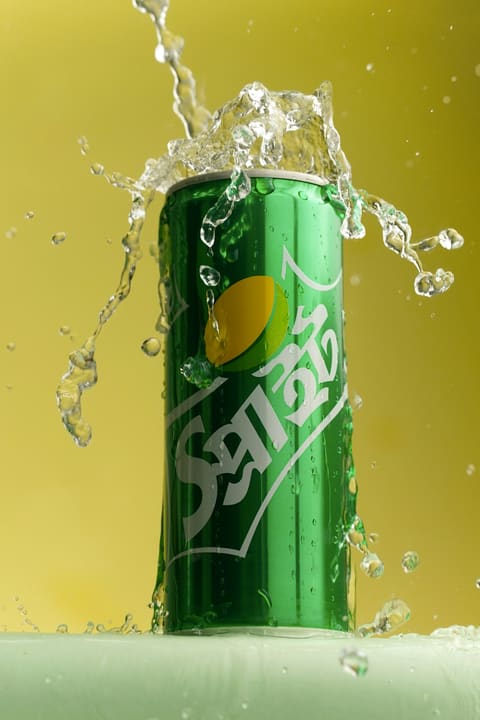
For drinks, the brand can usually say whether its flavour emulsion uses vegetable glycerol, and a Halal-certified or vegan drink settles it. Drink-specific pages cover this for the big brands: see Fanta and Coca-Cola.
Other weighting agents
Some drinks use SAIB (sucrose acetate isobutyrate, E444) instead, which is made from sugar and has no fat-source question. For the other emulsifier you will often meet in chocolate on the same shopping trip, see PGPR (E476).
Frequently asked questions
Is ester gum Halal?
Why is E445 in soft drinks?
Is E445 the same as shellac?
How do I check E445?
Scholarly view
Wood rosin is not an insect or animal resin (unlike shellac). The residual Halal question is glycerol, shared with E422. Unspecified ester gum is therefore Halal if verified, not automatically haram.
Sources
Named Islamic, certifier, manufacturer, and regulatory sources used on this page. Inline markers like [1] jump here. Retrieval dates show when we last checked the live URL. Editorial methodology.
Certifier / jurisdiction
-
SANHA Retrieved
Source-dependent additives listed mashbooh pending origin.
Regulatory / labelling
-
Regulation (EC) No 1333/2008 on food additives
European Union Retrieved
Union-list identity—not a Halal certificate.
-
EFSA — Re-evaluation of glycerol esters of wood rosin (E445)
European Food Safety Authority Retrieved
Wood rosin esterified with glycerol. Glycerol origin may be vegetable or animal.
-
-
People also check
Related ingredients and products for this item.