Are Sorbic Acid and Potassium Sorbate (E200, E202) Halal?
Yes — this one is Halal.
Sorbic acid occurs in some berries and is manufactured for food use; potassium sorbate is its salt.
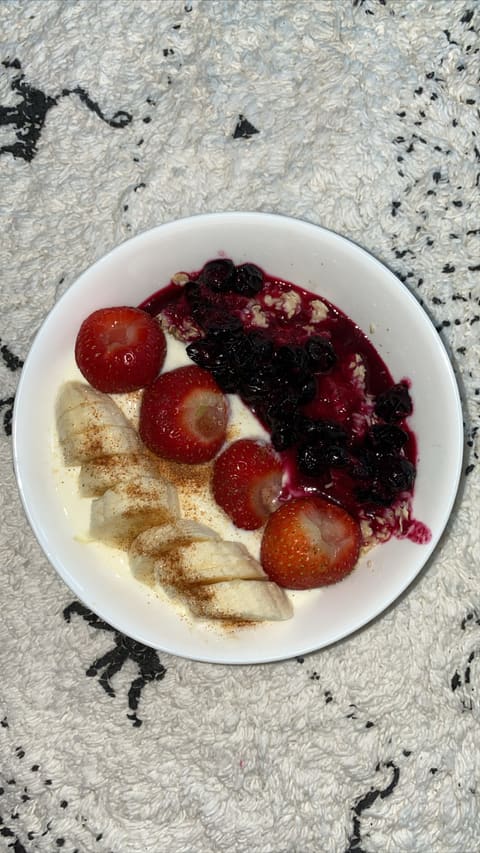
Photo: Jumbocombo0811 · CC BY-SA 4.0
Additive identity
Possible source pathways
The finished molecule can be identical across feedstocks. The Halal ruling follows the pathway, not the code alone.
E200 Possible source pathways
- synthetic Halal Typical Synthetic or mineral identity. No animal tissue in the finished additive.
What decides the answer
-
E200 / E202
Halal -
Finished dairy still needs a rennet and gelatin check
Why this ruling
Sorbic acid (E200) and potassium sorbate (E202) are Halal preservatives.[3][5] They stop mould and yeast growing in foods that would otherwise spoil within days of opening.
Where the name comes from
Sorbic acid was first isolated in the nineteenth century from the berries of the rowan tree, Sorbus aucuparia, which is where "sorb" comes from. Food-grade sorbic acid today is made synthetically, and potassium sorbate is simply its potassium salt, preferred by manufacturers because it dissolves easily in water.[1] The name has nothing to do with animal fat, and nothing to do with the sweetener sorbitol beyond sharing the same tree in its etymology.
Where you will see it
- Cheese – sliced and grated cheese, cream cheese and cheese spreads, often as a surface mould inhibitor.
- Drinks – soft drinks, fruit squashes and syrups.
- Baked goods – packaged cakes, tortilla wraps and flatbreads with a long shelf life.
- Dried and preserved fruit – prunes, dates and dried apricots kept soft and moist.
- Sauces and dips – ready-made dressings, hummus and salsas.
US rules list potassium sorbate as a food substance generally recognised as safe, and certifier E-number lists put it with the additives that need no source check.[2][6] A related salt, calcium sorbate (E203), is no longer on the EU list, so a modern EU label will show E200 or E202.
What still needs a look
The sorbate is not the Halal question on any of these packs. On cheese it is the rennet; on cheesecakes and yogurts, gelatin; on drinks and syrups, flavourings that may be carried in alcohol. Treat E200 and E202 as settled and spend your label-reading time on those.
How to verify
- Match E200, E202, sorbic acid, or potassium sorbate.
- Halal.
- Cheese and drinks still need a full ingredient read.
Quick checks
- Sorbic acid and potassium sorbate are synthetic preservatives: Halal.
- Despite the name, they have nothing to do with animal fat.
- In cheese, wine-style drinks and cakes, the preservative is fine; check rennet, alcohol and gelatin.
Frequently asked questions
Is potassium sorbate from pork?
Where does the name come from?
Is preservative 202 Halal?
Does potassium sorbate make a drink Halal?
Scholarly view
The name 'sorbate' is unrelated to sorbitol and unrelated to animal sorb.
Sources
Named Islamic, certifier, manufacturer, and regulatory sources used on this page. Inline markers like [1] jump here. Retrieval dates show when we last checked the live URL. Editorial methodology.
Certifier / jurisdiction
Regulatory / labelling
-
EFSA — Re-evaluation of sorbic acid and sorbates (E200–E203)
European Food Safety Authority Retrieved
Substance identity—not a Halal certificate for a finished pack.
-
21 CFR § 182.3640 potassium sorbate
U.S. eCFR Retrieved
U.S. identity / GRAS or colour-additive listing—not a Halal ruling.
-
Regulation (EC) No 1333/2008 on food additives
European Union Retrieved
Union-list identity—not a Halal certificate.
-
-
-
U.S. Food and Drug Administration Retrieved
US identity / labelling context—not a Halal ruling.
People also check
Related ingredients and products for this item.