
Photo: Clément Bucco-Lechat · CC BY-SA 3.0
Why it is Haram
The Prophet’s principle that whatever intoxicates in large amounts is Haram in small amounts applies directly. Soju’s base may be rice, barley, sweet potato, or tapioca starch—none of that makes an intoxicant Halal. Diluted ('huiseok') soju at ~15–20% ABV is still khamr.
Cooking with soju follows the same spirit-in-food rules as vodka or wine: deliberate addition of an intoxicant is prohibited.
Quranic guidance
-
Surah Al-Ma'idah 5:90
"O you who believe, indeed intoxicants, gambling, sacrificing on stone alters, and divining arrows are but defilement from the work of Satan, so avoid it."
Where it shows up
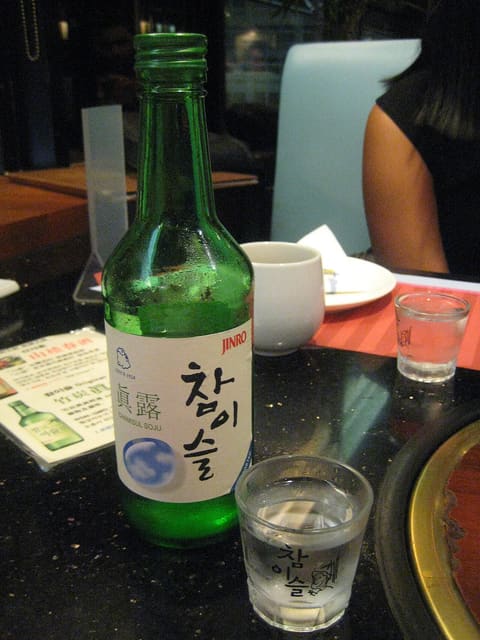
- Neat shots with Korean BBQ and anju snacks
- Soju cocktails and fruit mixers
- Social drinking in Korean dining culture
- Flavoured soju (grape, yogurt, citrus styles)
What decides the answer
-
Standard and flavoured alcoholic soju
Haram -
Lower-ABV commercial soju (e.g. ~13–16%): still Haram
-
Truly alcohol-free soft drinks that are not soju: assess separately
Why this ruling
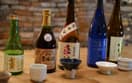
Soju is Korea’s iconic clear spirit: a distilled (or dilute-distilled) alcoholic drink historically tied to rice and, in modern industrial form, often to neutral spirit diluted with water and sweeteners. It is served neat in small glasses alongside Korean barbecue, in fruit cocktails, and as flavoured bottles aimed at younger drinkers. For Islamic dietary law the analysis is not subtle—soju is an intoxicating beverage, and intoxicants are Haram.
Manufacturer evidence (ABV is not “near beer”)
HiteJinro’s international Jinro brand site lists commercial products with explicit alcohol strengths. Examples visible on the manufacturer catalog include flavoured Jinro lines at ALC 13.0%, Chamisul Fresh and “Jinro is Back” styles around 16.0%, Chamisul Original at 20.1%, Jinro 24 at 24.0%, and Ilpoom at 25.0% (jinro-soju.com, retrieved 20 July 2026). Those figures sit far above non-intoxicating food traces; they are spirit strengths. Industry reporting also notes ongoing ABV reductions for flagship bottles into the mid-15% range for taste trends—still intoxicating distilled liquor, not a soft drink (Seoul Economic Daily coverage of Jinro ABV changes, retrieved 20 July 2026).
Ingredients vs ruling
Traditional and modern soju may start from rice, barley, wheat, sweet potato, or tapioca. After fermentation and distillation (or dilution of distilled spirit), the consumer product is ethanol plus water and minor flavourings. Halal status tracks the intoxicant, not the agricultural story. The same logic that makes vodka Haram despite potato or grain origins makes soju Haram despite rice or sweet potato origins.
Flavoured soju (yogurt, grape, citrus, etc.) adds sugar and aromas; it does not remove alcohol. “Smooth” or “fresh” branding describes mouthfeel, not permissibility.
Jurisdiction and dining culture
In South Korea, soju is a default social drink with grilled meat. In Western Korean restaurants the bottle often appears automatically with banchan. Muslims can eat Halal-slaughtered or clearly Halal Korean food while declining the bottle—the meat is not automatically contaminated by proximity—but marinades or pan sauces that include soju are a real kitchen risk. In Muslim-majority markets, alcoholic soju is sold under alcohol regulations where imported; the ruling does not soften at the border.
Dealcoholized or “zero” products that merely imitate soju branding must be evaluated as separate beverages (ABV claim, production method, and resemblance concerns). They are not “Halal soju”; they are different drinks that may or may not meet a given scholar’s standard for non-alcoholic malt-style beverages.
Realistic verification
- Read the alcohol percentage on any soju bottle—if present at beverage levels, avoid.
- Refuse soju cocktails and “soju yogurt” alcoholic mixes.
- Ask Korean restaurants whether any sauce uses soju or cooking wine.
- Do not sip “just to be polite”; small amounts of intoxicants remain Haram.
How to verify
Check labels carefully for alternate names or derivatives linked to soju, and choose clearly Halal or plant-based alternatives instead.
Frequently asked questions
Is soju Halal because it is made from rice or sweet potato?
What about 'light' or flavoured soju at 13% ABV?
Can I cook Korean food with a splash of soju?
Is there Halal soju?
Does sharing a soju table without drinking make the food Haram?
Sources
Named Islamic, certifier, manufacturer, and regulatory sources used on this page. Inline markers like [1] jump here. Retrieval dates show when we last checked the live URL. Editorial methodology.
Islamic / scriptural
-
-
Sahih Muslim 2003a — every intoxicant is khamr
Sahih Muslim (sunnah.com) Retrieved
Every intoxicant is khamr and every intoxicant is forbidden: the ruling covers spirits made from grain, grapes or anything else.
Manufacturer / product
-
Retrieved
-
Retrieved