
Is Sake Halal?
No — this one is Haram.
Sake is a Japanese alcoholic beverage brewed from rice, koji mold, water, and yeast.
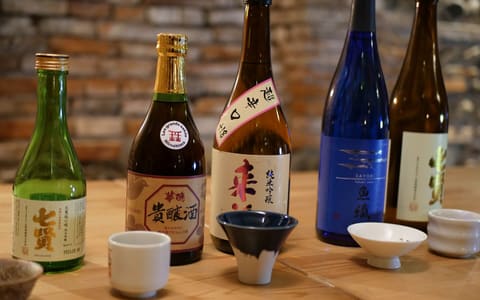
Photo: Culture Japon · CC BY-SA 4.0
Why it is Haram
Sake is brewed to be an alcoholic beverage. That places it with wine, beer, and spirits under the intoxicant prohibition—not with vinegar after takhallul, and not with trace brewing remnants in soy sauce that never intended a drink. ‘Cooking sake’ with salt added is still sake. Non-alcoholic ‘sake-flavoured’ syrups are different products and must be judged by their own labels.
Where it shows up
- Drinking sake with Japanese meals
- Cooking sake in soups, marinades, and glazes
- Cocktail and sparkling sake drinks
- Ingredient in some teriyaki and noodle broths
What decides the answer
-
Cooking sake / mirin-forward sake marinades
avoid -
Dishes reduced with sake ‘until alcohol cooks off’
still avoid if sake was an ingredient you reject -
Alcohol-free substitutes labelled as such
judge by that product’s ingredients -
Beverage sake of any grade
Haram
Why this ruling
Sake (nihonshu) is a Japanese alcoholic beverage brewed from polished rice, water, koji (Aspergillus oryzae), and yeast. Though nicknamed “rice wine,” its parallel fermentation is closer to beer brewing than grape winemaking. It is served chilled, room temperature, or warm, and used in cocktails. For Halal purposes the classification is simple: sake is an intoxicating drink → Haram.
Why sake is Haram
Islamic law prohibits intoxicants (Qur'an 5:90; IslamQA 7327, retrieved 16 August 2026).[1][3] Sake is intentionally fermented and packaged as an alcoholic drink. U.S. wine-labelling identity names sake as wine of that class produced from rice (27 CFR § 4.21, retrieved 16 August 2026).[2] That confirms the beverage-alcohol class; it is not a Halal pathway. Grades such as junmai, ginjo, or daiginjo describe polishing and style—not Halal status. Sparkling sake and sake-based cocktails remain alcohol.
| Product | Ruling lens on this site |
|---|---|
| Drinking sake | Haram |
| Cooking sake | Avoid (still alcohol) |
| Mirin / sake in teriyaki | Avoid — see teriyaki sauce |
| Finished rice vinegar | Different page — vinegar |
| Plain soy sauce without added spirit | Separate condiment check |
Cooking sake myths
Food blogs often claim alcohol “burns off” in nikujaga, risotto-style Japanese stews, or seafood steamers. Even when some ethanol evaporates, the ingredient added was still khamr-class alcohol. Halal home cooking replaces sake with dashi or vegetable stock, a pinch of sugar, and verified soy sauce—not with a smaller splash of sake. Restaurant menus that list sake in the broth should be skipped or customized.
Sake vs mirin vs vinegar
- Sake — alcoholic beverage / cooking wine.
- Mirin — sweet rice-wine seasoning; also alcoholic.
- Rice vinegar — acetic condiment after acetification; majority Halal as vinegar.
Do not blur these three on a shopping list. The bottle that says sake or ryorishu (cooking sake) is not vinegar.
Non-alcoholic lookalikes
A few soft drinks market “sake flavour” without ferment ABV, and some dealcoholized products exist. Those must be judged as their own products—never as permission to buy real brewery sake. If ABV is listed above zero as a beverage alcohol, treat it as Haram.
Realistic verification
- Do not order sake at sushi bars.
- Scan Japanese marinades and instant noodle cups for sake/rice wine.
- Ask about broth bases in ramen and nabe pots.
- Keep alcohol-free teriyaki and soy bottles at home.
- Remember: rice being Halal as a grain does not make rice wine Halal as a drink.
Travel and hotel minibars
Hotel minibars and airline drink carts that stock sake are still serving alcohol. Declining sake is the same decision as declining wine. Gift bottles of premium sake should be refused or passed along—not “saved for cooking.” If a host insists a splash is only for aroma, offer to cook a separate Halal pan with stock and soy instead of negotiating over intoxicants.
How to verify
Check labels carefully for alternate names or derivatives linked to sake, and choose clearly Halal or plant-based alternatives instead.
Frequently asked questions
Is sake Halal?
Is sake basically rice vinegar?
What about cooking sake with salt?
Is mirin the same as sake?
Are there non-alcoholic sake alternatives?
Sources
Named Islamic, certifier, manufacturer, and regulatory sources used on this page. Inline markers like [1] jump here. Retrieval dates show when we last checked the live URL. Editorial methodology.
Islamic / scriptural
-
-
IslamQA 7327 — why alcohol is Haram
IslamQA Retrieved
Intoxicants are khamr and Haram. Cooking sake remains that class.
Regulatory / labelling
-
27 CFR § 4.21 — wine standards of identity (sake)
U.S. TTB (via Cornell LII) Retrieved
US labelling identity: sake is wine of this class produced from rice. Confirms the beverage-alcohol class; not a Halal certificate.
Halal-conscious recipes
A substitution-led recipe that uses this analysis.