
Is Teriyaki Sauce Halal?
It depends on what the label says.
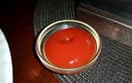
Teriyaki is soy sauce, sugar and, traditionally, mirin or another rice wine.
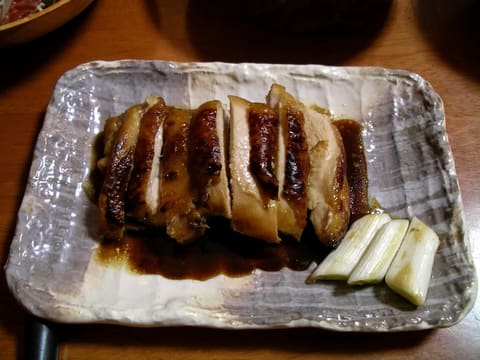
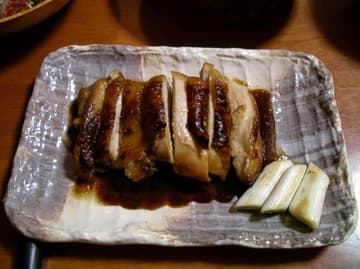
Photo: Flickr.com user "Blue Lotus" · CC BY 2.0
How to verify
- Read ingredients for mirin, sake, wine, cooking wine, or added alcohol.
- Choose bottles labelled alcohol-free or Halal-certified.
- Do not assume restaurant teriyaki matches a grocery bottle—ask about mirin/sake.
- Remember soy sauce alone is a separate check (soy sauce).
What decides the answer
-
Teriyaki with no wine, mirin, sake or alcohol, and clear ingredients
Halal -
Wine, mirin, sake or alcohol in the formula (as in Kikkoman, Tesco and Lee Kum Kee)
avoid; fatwas on mirin say so, with one narrow exception (see mirin) -
Restaurant teriyaki of unknown recipe
Halal if verified until asked -
Homemade teriyaki with soy + sugar + vinegar (no wine)
Halal (rice or spirit vinegar is accepted; wine vinegar is the disputed one)
Why this ruling
Teriyaki sauce is a sweet-savoury glaze associated with Japanese cooking. Classically, teri (gloss) and yaki (grill) come from brushing food with a mix of soy sauce, sugar, and mirin (and sometimes sake). North American grocery bottles often add garlic, ginger, cornstarch, and sesame. The Halal question is not whether soybeans are Halal—it is whether this glaze includes drinking-style rice wine.
What the bottles list
Kikkoman's teriyaki sauce sold in the UK and Europe lists "soy sauce (water, soybeans, wheat, salt), wine (contains sulphur dioxide), sugar", water, spirit vinegar and spices,[5] and its US version also lists wine.[6] Tesco's teriyaki lists "Mirin (5%) [Rice, Water, Alcohol, Glucose Syrup]",[7] and Lee Kum Kee's lists rice wine.[8] Blue Dragon's UK teriyaki, by contrast, lists water, soy sauce extract, sugars, starch, xanthan gum, salt, colour, acetic acid and a preservative, with no wine.[9]
MuslimSG names teriyaki among the common uses of mirin and says that once alcohol is added, "the dish is no longer considered halal";[3] Darul Iftaa Chicago says food products containing mirin are not permissible.[4] The one narrower view, for Muslims in Japan cooking with mirin, is on the mirin page.
Why the page is Halal if verified
| Product pattern | Typical Halal read |
|---|---|
| Bottle lists mirin / sake / wine | Avoid |
| Alcohol-free teriyaki / Halal-certified | Halal when other ingredients clear |
| Restaurant “teriyaki chicken” unknown recipe | Halal if verified until asked |
| Homemade soy + sugar + vinegar, no wine | Generally Halal |
Major brands publish ingredient panels; use those panels as evidence (brand education and product pages, e.g. general Japanese condiment producers linked from kikkoman.com regional sites, retrieved 20 July 2026). Marketing words like “authentic” often correlate with mirin—not with Halal clearance.
Mirin, sake, and “mirin-style”
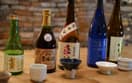
- Mirin / sake — alcoholic; see sake.
- Aji-mirin / mirin-style seasoning — sometimes lower alcohol or salted; still read the alcohol line.
- Dealcoholized or alcohol-free teriyaki — designed for shoppers avoiding wine; verify the claim on the label.
Plain soy sauce is a related but separate question: many brewed soy bottles have no added alcohol, while teriyaki frequently adds a wine component on purpose.
Restaurant and meal-kit reality
Food-court teriyaki bowls rarely hand you a bottle. Kitchens may reduce sake, use commercial marinade with wine, or glaze from a jug that lists “natural flavors” plus wine. Ask: “Does the teriyaki contain mirin, sake, or wine?” If staff cannot answer, treat as Halal if verified. Frozen meal kits and air-fryer sauces need the same ingredient scan as retail bottles.
Certification
Halal-certified teriyaki appears in Malaysia, Indonesia, and some Western speciality brands. Confirm Malaysian marks via JAKIM’s Portal Halal / MYeHALAL (retrieved 20 July 2026). Certification audits the whole formula, which is stronger than guessing about “mirin-style” wording.
Realistic verification
- Reject bottles with mirin, sake, wine, or cooking wine.
- Keep an alcohol-free or certified bottle at home for weeknight glazes.
- Make a quick Halal stand-in: soy + brown sugar + rice vinegar + garlic.
- Re-check limited-edition flavours (pineapple, spicy mayo teriyaki kits).
- Do not assume grilled “teriyaki salmon” at a sushi bar is wine-free.
Meal kits, air fryers, and “teriyaki” seasoning powder
Grocery meal kits and air-fryer sauce packets often shorten the ingredient list or hide wine under “seasoning sauce.” Powdered teriyaki rubs may be safer when they list only sugar, salt, soy powder, garlic, and ginger—but some still include wine powder or flavour alcohol. Read every line the same way you would a bottle. If a packet is incomplete, keep a verified alcohol-free bottle at home and glaze after cooking instead of trusting the kit sauce.
Where you'll find it
- Chicken, salmon, and tofu glazes
- Stir-fry sauces and bowl toppings
- Marinades for grilling
- Bottled grocery teriyaki and restaurant recipes
Frequently asked questions
Is teriyaki sauce Halal?
Is mirin the same as rice vinegar?
Can I make Halal teriyaki at home?
Is store ‘teriyaki chicken’ safe?
Does cooking burn off the alcohol?
Does Kikkoman teriyaki sauce contain alcohol?
Which teriyaki sauces have no wine?
Scholarly view
Traditional Japanese teriyaki uses soy, mirin, and sugar for shine (teri) and grill (yaki). Mirin and sake are alcoholic rice products; deliberately adding them is treated differently from trace brewing ethanol in plain soy sauce. Alcohol-free ‘mirin-style’ seasonings and Halal-certified teriyaki replace that wine element with sugar, vinegar, or dealcoholized alternatives—read which one you bought.
Sources
Named Islamic, certifier, manufacturer, and regulatory sources used on this page. Inline markers like [1] jump here. Retrieval dates show when we last checked the live URL. Editorial methodology.
Islamic / scriptural
-
MuslimSG (Nurul Khalisah, Muis Halal Development) Retrieved
29 November 2024. 'Mirin contains alcohol, usually around 14%, which makes it unsuitable for Muslims to consume. While some might say that the alcohol evaporates during cooking, the issue is that once any non-halal ingredient like alcohol is added, the dish is no longer considered halal.' Lists teriyaki sauce, sushi vinegar and takoyaki sauce among common uses; suggests sweetener with rice vinegar, or Halal-certified mirin-style products.
-
Is soy sauce halal? The ruling on alcohol in soy sauce
Darul Iftaa Chicago (via IslamQA.org) Retrieved
'Mirin is an intoxicant, and this intoxicant is added to a food product as a direct ingredient for an invalid purpose, as opposed to soy sauce, which is not an intoxicant to begin with. Hence, mirin and food products containing mirin are not permissible whereas soy sauce is.'
Certifier / jurisdiction
-
Retrieved
Manufacturer / product
-
Retrieved
-
Kikkoman Teriyaki Sauce, UK and Europe (8715035210301)
Open Food Facts (pack record) Retrieved
Record updated August 2026. Ingredients: 'soy sauce (water, soybeans, wheat, salt), wine (contains sulphur dioxide), sugar, water, spirit vinegar, salt, spice extracts, onion powder, garlic powder'.
-
Kikkoman Teriyaki Sauce, US (04139441)
Open Food Facts (pack record) Retrieved
Ingredients: 'Soy sauce (water, wheat, soybeans, salt), wine, high fructose corn syrup, water, vinegar, salt, spices, onion powder, succinic acid, garlic powder, sodium benzoate'.
-
Tesco Teriyaki Sauce (5057753438289)
Open Food Facts (pack record) Retrieved
Record updated March 2026; labelled vegan. Ingredients include 'Tamari Soy Sauce [Water, Soya Bean, Salt, Spirit Vinegar, Alcohol), Mirin (5%) [Rice, Water, Alcohol, Glucose Syrup]'.
-
Lee Kum Kee Teriyaki Sauce, Germany and Ireland (4316734091549)
Open Food Facts (pack record) Retrieved
Record updated March 2026. Ingredients (German): sugar, soy sauce, water, rice vinegar, tomato paste, 'Reiswein' (rice wine), corn starch, ginger, onions, garlic powder.
-
Blue Dragon Teriyaki Sauce, UK (5010338000011)
Open Food Facts (pack record) Retrieved
Record updated March 2026. Ingredients (from a partly legible pack photo): water, soy sauce extract, glucose-fructose syrup, sugar, thickeners (modified maize starch, xanthan gum), salt, colour, acetic acid, preservative. No wine, mirin or alcohol listed.
Halal-conscious recipes
A substitution-led recipe that uses this analysis.
Browse this topic
Open the parent category hub for more foods in the same group.