

Halal-conscious recipe
Chicken teriyaki, no mirin
Pan-glazed chicken thighs in a soy, sugar and rice-vinegar teriyaki sauce, with no mirin, no sake and a soy sauce you have checked.
Each method follows published technique for the dish, and every Halal substitution is checked against the ingredient pages we cite. Photographs come from our ingredient library rather than the finished dish.
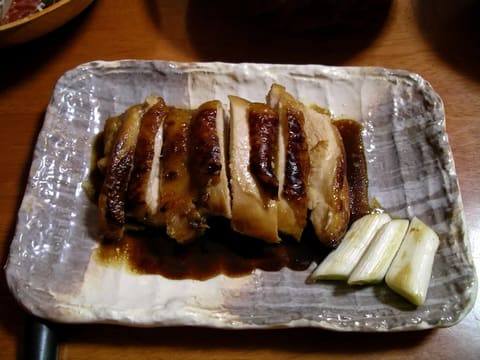
Photo: Flickr.com user "Blue Lotus" · CC BY 2.0

Why Halal checks matter here
Classic teriyaki sauce is soy sauce, sugar and mirin or sake, both rice wines; bottled teriyaki often lists one of them, and some soy sauces add alcohol.
Teriyaki is a technique before it is a sauce: teri is the shine the sugar gives, yaki is the grilling or pan-cooking. The traditional glaze, the tare, is soy sauce, sugar and a rice wine, either mirin or sake, reduced until it coats the meat. Mirin and sake are both alcoholic, so this version takes them out.
Sugar and a spoonful of rice vinegar do most of what mirin does: sweetness, gloss and a little sharpness. Water replaces the sake's job of loosening the sauce, and garlic and ginger carry the flavour. BBC Good Food Middle East publishes a teriyaki chicken built on the same soy, sugar and vinegar base.
The soy sauce is the one bottle to read. Naturally brewed soy has a trace of fermentation alcohol that many scholars accept, but some brands add alcohol as a preservative; the soy sauce page explains the difference. Bottled teriyaki usually lists mirin or sake, which is why the teriyaki sauce page treats it as "Halal if verified".
Thighs stay juicy while the glaze reduces; breast works too, cut into thick pieces and cooked for less time. The chicken itself needs to come from a Halal butcher or a certified pack.
Halal-critical ingredients
- Mirin and sake Both are rice wines: mirin is a sweet cooking rice wine and sake is an intoxicating drink. Both are standard in traditional teriyaki. Neither in this method. Sugar and rice vinegar replace them. See Sake.
- Soy sauce Brewed soy sauce carries trace fermentation alcohol that many scholars accept; some brands add alcohol as a preservative. A label with no added alcohol, or a Halal-certified bottle. See Soy sauce.
- Bottled teriyaki and rice vinegar Ready-made teriyaki usually lists mirin, sake or wine; 'seasoned' rice vinegar can include mirin. Make the sauce here; buy plain rice vinegar. See Teriyaki sauce.
- Chicken Poultry is Halal only when slaughtered Islamically. Halal butcher or certified pack. See Chicken.
Safe substitutes
- Mirin → Sugar plus a little rice vinegar The published soy, sugar and vinegar teriyaki (BBC Good Food Middle East) uses the same pairing.
- Sake → Water Sake loosens and flavours the sauce; water does the loosening, ginger and garlic carry the flavour.
- Bottled teriyaki sauce → The five-minute sauce in this recipe Most bottles list mirin or sake; see Teriyaki sauce.
Allergens
soy, gluten (most soy sauce), sesame (if using sesame seeds)
Ingredients
Teriyaki sauce (no mirin, no sake)
- 60 ml (4 tbsp) soy sauce with no added alcohol, or a Halal-certified soy sauce
- 30 g (2½ tbsp) light brown or white sugar
- 15 ml (1 tbsp) rice vinegar (plain, not seasoned with mirin)
- 60 ml (4 tbsp) water
- 2 cloves garlic, finely grated
- 10 g (1 tbsp) fresh ginger, finely grated
- 5 g (1 tsp) cornflour, mixed with 1 tbsp cold water (optional, for a thicker glaze)
Chicken and to serve
- 600 g (1 lb 5 oz) boneless chicken thighs from a Halal butcher or certified pack, skin on or off
- 15 ml (1 tbsp) neutral oil
- 4 portions cooked short-grain or jasmine rice
- 2 onions, 1 tsp seeds spring onions, sliced, and toasted sesame seeds
Nutrition per serving
Estimated for 1 of 4 plates with rice.
| Calories | 650 kcal |
|---|---|
| Fat | 29 g |
| of which saturates | 7 g |
| Carbohydrate | 64 g |
| Protein | 31 g |
| Sodium | 1020 mg |
Calculated from the metric quantities in the ingredient list, divided by 4, using USDA FoodData Central values for each raw ingredient. Cooking losses aren't modelled and brands differ, so these are estimates, not a lab analysis.
Sugars not shown: USDA gives no figure for one of the main ingredients.
Fibre not shown: USDA gives no figure for one of the main ingredients.
Not counted: cornflour (optional).
Where the list offers a choice, the first option is counted.
Rice vinegar is counted as USDA distilled vinegar; USDA has no rice-vinegar entry.
One portion of cooked rice is counted as one US cup, 186 g (USDA).
How each ingredient was counted
| Ingredient | USDA food | Counted |
|---|---|---|
| soy sauce with no added alcohol | Soy sauce made from soy and wheat (shoyu) | 64.9 g |
| light brown or white sugar | Sugars, brown | 30 g |
| rice vinegar | Vinegar, distilled | 15.1 g |
| water | Beverages, water, tap, drinking | 60.1 g |
| garlic | Garlic, raw | 6 g |
| fresh ginger | Ginger root, raw | 10 g |
| boneless chicken thighs from a Halal butcher or certified pack | Chicken, broilers or fryers, thigh, meat and skin, raw | 600 g |
| neutral oil | Oil, canola | 14.2 g |
| cooked short-grain or jasmine rice | Rice, white, short-grain, enriched, cooked | 744 g |
| spring onions | Onions, spring or scallions (includes tops and bulb), raw | 30 g |
| spring onions | Seeds, sesame seeds, whole, dried | 3 g |
Method
- Mix the sauce. Stir the soy sauce, sugar, rice vinegar, water, garlic and ginger together until the sugar dissolves. The sugar and vinegar do the job mirin does in a classic tare: sweetness, gloss and a little acidity. Do not add mirin, sake, cooking wine or 'aji-mirin'.
- Brown the chicken. Pat the thighs dry. Heat the oil in a wide frying pan over medium-high heat and lay the chicken in, skin side down if it has skin. Cook without moving for 6–7 minutes until well browned, then turn and cook 4–5 minutes more.
- Glaze. Spoon off most of the fat, lower the heat to medium and pour in the sauce. Let it bubble, turning the chicken often, for 4–6 minutes until the sauce reduces to a shiny glaze that coats the meat. If it is thin, stir in the cornflour mixture and bubble for a minute; if it catches, add a splash of water.
- Check it is cooked. The thickest piece should be cooked through with clear juices, or 75 °C on a probe thermometer. Rest for 2 minutes, then slice.
- Serve. Slice across the grain, spoon the pan glaze over, and serve on rice with spring onions and sesame seeds. Restaurant and bottled teriyaki are a separate question; see Teriyaki sauce.
How this recipe was researched
Method specified editorially from the published soy, sugar and vinegar teriyaki technique (BBC Good Food Middle East) and the traditional soy-mirin-sugar glaze described on Wikipedia, plus this site's Teriyaki sauce, Soy sauce, Sake and Chicken pages. Timings follow published technique rather than a kitchen test.
Technique and ingredient sources
-
Teriyaki chicken — BBC Good Food Middle East
Retrieved:
Soy sauce, brown sugar, vinegar, garlic and ginger, thickened with cornflour. No mirin or sake.
-
Teriyaki — Wikipedia
Retrieved:
Teriyaki is broiling or grilling with a glaze; the tare is traditionally soy sauce, sake or mirin, and sugar reduced over heat.
-
Teriyaki sauce analysis — isithalal.food
Retrieved:
Why bottled and restaurant teriyaki needs checking: the mirin or other alcohol in the glaze.