

Topic hub
Halal East Asian food (East Asia)
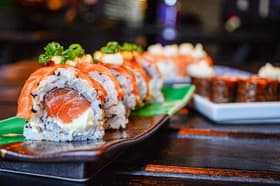
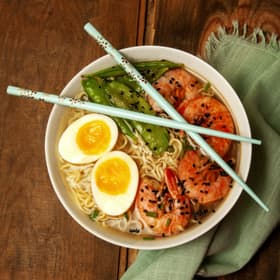
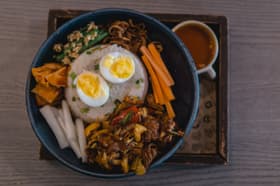
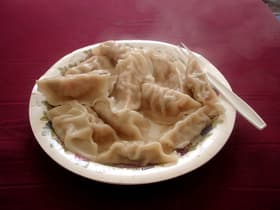
In Japan, Korea and China, the Halal question is less about the dish than about the seasonings and stock behind it. Mainstream Japanese, Korean, and Chinese restaurants outside Muslim enclaves often use pork, lard, mirin, sake, oyster sauce, and animal bone broths as defaults. Halal-certified or Muslim-run East Asian restaurants exist in major cities; vegetable bibimbap, carefully ordered tempura, and verified tofu dishes can work when alcohol and pork are excluded. Ramen, dumplings, and mapo tofu are frequently non-Halal unless explicitly labelled or made in a Halal kitchen.
- Seek Halal-certified or Muslim-run Japanese, Korean, and Chinese restaurants
- Ask about pork, lard, mirin, sake, and bone broth in ramen and dumplings
- Prefer customisable rice bowls and vegetable tempura with confirmed frying oil
- Treat soy and teriyaki sauces as alcohol-conditional
- Avoid unverified gelatin in Asian sweets and mochi
Status overview
How foods in this topic break down by Halal ruling.
- Halal 2
- Haram 2
- Halal if verified 12
- Market-dependent 2
- Scholarly difference 2
Foods in this topic
20 items All topics
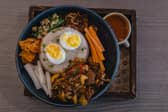
- Bibimbap Halal if verified
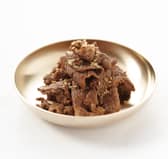
- Bulgogi Halal if verified
- Dumplings Halal if verified
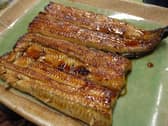
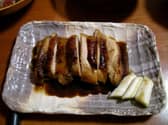
- Eel Scholarly difference
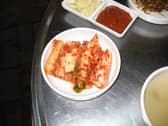
- Kimchi Halal if verified
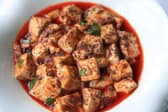
- Mapo Tofu Halal if verified
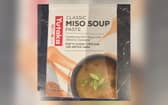
- Miso soup and miso paste Halal if verified
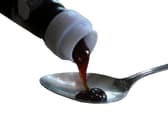
- Oyster Sauce Scholarly difference
- Pocky Halal if verified
- Ramen Halal if verified
- Sake Haram
- Shin Ramyun Market-dependent
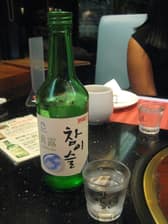
- Soju Haram
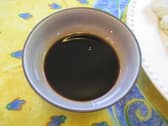
- Soy Sauce Halal if verified
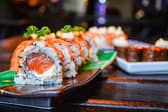
- Sushi Halal if verified
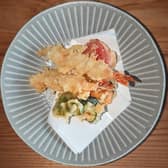
- Tempura Halal if verified
- Teriyaki Sauce Halal if verified
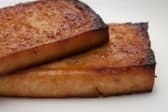
- Tofu Halal
- Wasabi Halal
- YO! Sushi Market-dependent
No foods match this filter.
Photo credits
- 국립국어원 · CC BY-SA 2.0 kr
- Johannes Barre, iGEL · CC BY-SA 3.0
- Sichuanfoodlover · CC BY-SA 4.0
- Open Food Facts contributors · CC BY-SA 3.0
- Gossipguy · CC BY-SA 3.0
- Open Food Facts contributors · CC BY-SA 3.0
- Culture Japon · CC BY-SA 4.0
- Open Food Facts contributors · CC BY-SA 3.0
- Clément Bucco-Lechat · CC BY-SA 3.0
- Bodhi Peace · CC BY-SA 4.0
- Flickr.com user "Blue Lotus" · CC BY 2.0
- Joey Doll · CC BY 2.0


.jpg)
Frequently asked questions
Is East Asian food Halal?
Is ramen Halal?
Are dumplings Halal?
Is sushi Halal?
Is bibimbap Halal?
Can Muslims eat at Japanese, Korean, or Chinese restaurants?
Related topics
Explore connected ingredients, regions, and certification guidance.