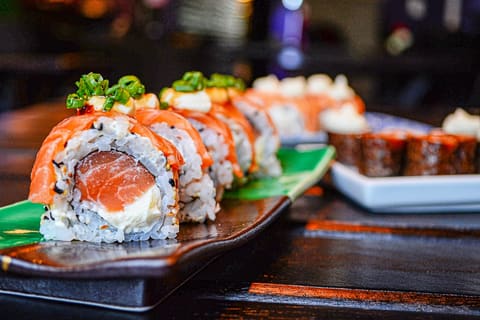
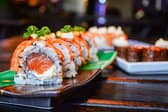
YO! Sushi is a UK-centred Japanese-inspired restaurant brand with conveyor and counter service, hot dishes, and a full allergen programme—not a published Halal restaurant system. The honest answer for most diners is verify the outlet and the dish, not “fish means Halal.”
What YO! says about its kitchens
Allergen & kitchen practice. YO!’s allergen page states kitchens prepare sushi, salads, and hot dishes fresh daily; dishes cannot be modified for dietary restrictions; cross-contamination can still occur; and in some locations fryers are not dedicated for meat, fish, and vegetables.[1] That is operator evidence for shared-oil risk—even before slaughter or alcohol questions.
Menu shape. The public menu includes sushi alongside chicken katsu, teriyaki-style dishes, ramen, and other hot items.[2][3] Meat dishes without a Halal certificate are treated as conventional supply.
Mirin, sake, surimi, and “just sushi”
Japanese restaurant sauces and sushi rice seasoning often use mirin or sake-style cooking wines. YO! does not replace recipe verification with a Halal FAQ. Read the current allergen/nutrition sheet for the specific roll or bowl. Surimi (imitation crab) and mayonnaise-based toppings need their own additive check. For category literacy, see sushi, soy sauce, and teriyaki sauce.
On the belt
| Dish |
What decides it |
Halal? |
| Salmon or tuna nigiri and maki |
Fish is fine; the rice seasoning may include mirin |
Check the rice |
| Cucumber, avocado and vegetable maki |
Same rice question |
Check the rice |
| Prawn, crab and surimi |
Shellfish is a scholarly difference; surimi is fish plus binders |
Scholarly difference |
| Chicken katsu, teriyaki chicken |
Chicken without a Halal certificate |
No |
| Ramen |
Broth is chicken or pork, and the meat is not certified |
No |
| Tempura and fried sides |
Fryers may be shared with meat |
Ask about the fryer |
| Edamame, seaweed salad |
Plant foods; dressings may contain mirin |
Check the dressing |
The fish itself is rarely the problem. The rice seasoning, the sauces and the fryer usually are. See tempura and ramen for those dishes on their own.
Realistic verification steps
- Ask for a Halal certificate—if none, treat the restaurant as uncertified.
- Open the dish on YO!’s allergen/nutrition pack.
- Ask whether rice seasoning and teriyaki-style sauces use alcohol-based cooking wines.
- Avoid shared-fryer items when meat/fish/veg share oil.
- Prefer a dedicated Halal Japanese restaurant when paperwork is absent.