
Is Oyster Sauce Halal?
Scholars differ on this one.
Oyster sauce is a cooked condiment containing oyster extract plus sugar, salt, and starch.
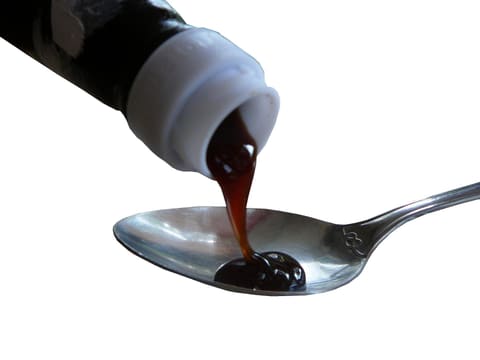
Photo: Gossipguy · CC BY-SA 3.0
Scholarly differences
Oyster sauce is not the same fiqh object as a plate of raw oysters, but it inherits the shellfish debate because it contains oyster-derived material. Many Shafi‘i/Maliki/Hanbali consumers use it freely when the bottle is otherwise clean.
Within Hanafi discourse, some muftis permit the condiment because the extract is a small, cooked, transformed fraction; others advise avoiding it with the school’s oyster ruling. Vegetarian mushroom ‘oyster sauce’ removes the mollusk question for everyone.
What decides the answer
-
Mushroom-based vegetarian oyster sauce — for all schools on the mollusk issue
Halal -
Majority seafood-permissive schools + clean label: typically Halal
-
Hanafi / school-restrictive: follow your mufti—opinions differ on extract vs whole oyster
-
Bottles with wine/alcohol: Haram or avoid regardless of oyster view
How to verify
- Decide your school’s view on oysters/shellfish first.
- Read the bottle for oyster extract, wine, alcohol, and animal flavourings.
- Prefer Halal-certified oyster sauce or mushroom-based vegetarian ‘oyster’ sauce when available.
- In restaurants, ask which brand is used—many woks default to uncertified bottles.
Quick checks
- Separate whole-oyster fiqh from condiment-extract fiqh—then follow your school.
- Read every bottle for wine/alcohol and Halal marks.
- Mushroom vegetarian oyster sauce is the school-agnostic workaround.
Why this ruling
Oyster sauce is a thick, savoury-sweet brown condiment built from oyster extracts, sugar, salt, water, and a thickener (usually cornstarch), sometimes with soy sauce or caramel colour. It is central to Cantonese and wider East/Southeast Asian stir-fry cuisine. Invented in late-19th-century Guangdong and popularized by brands such as Lee Kum Kee, it delivers umami more than a strong “fishy” taste.
Two Halal questions stacked together
1) The oyster material. Oysters and shellfish divide by school: many Shafi‘i, Maliki, and Hanbali authorities permit sea creatures broadly; many Hanafi authorities do not treat oysters as fish. Oyster sauce contains a modest fraction of oyster-derived solids in a cooked matrix. That leads some Hanafi muftis to permit the sauce even when they avoid oysters on the half shell, while stricter voices avoid both. This site marks oyster sauce Scholarly difference because scholarly rulings differ because sincere practice splits here.
2) The rest of the bottle. Wine, cooking alcohol, pork flavourings, or unclear animal additives can spoil a sauce even for someone who accepts oysters. Product-level checks still apply after the fiqh of the extract.
Qur'anic language on sea game often cited in majority seafood discussions is accessible in English at Qur'an 5:96 on Quran.com (retrieved 20 July 2026). How far that verse extends beyond fish is exactly the madhhab conversation behind oysters and their sauce.
Label literacy
Typical clean ingredient pattern:
- Oyster extract / oyster juice
- Sugar, salt, water
- Modified starch / cornstarch
- Optional: soy sauce, caramel colour, yeast extract
Red flags:
- Wine, mirin, cooking sake, or “alcohol”
- Undeclared flavour bases in restaurant bulk jugs
- No Halal mark in a market where certified products exist
Manufacturer pages and retailer labels for major brands change by country; always trust the bottle in your hand. For Malaysian Halal-marked imports, public verification tools include JAKIM MYeHALAL (retrieved 20 July 2026).
Vegetarian mushroom “oyster” sauce
These bottles imitate the flavour with mushrooms (often oyster mushrooms or shiitake) and soy. They solve the mollusk question for Hanafi-oriented and school-agnostic cooks. They do not automatically solve alcohol or shared-line issues—still read the label.
Wok-line reality
Even a Halal bottle can be poured into a kitchen that also cooks pork and drinks. Cross-contact on ladles is a hospitality issue separate from the condiment’s ingredient list. Home cooks control the bottle; takeout stir-fries require trust in the restaurant.
Regional brands and import labels
Major brands sell different products by country. A Lee Kum Kee bottle in Malaysia may carry a Halal logo while the same-looking label in a European aisle does not. Premium “oyster sauce with oyster extract” lines sometimes add wine, mirin-style seasonings, or fish sauce for depth—never assume one green-capped bottle matches another. Bulk restaurant jugs rarely show full English ingredients on the table; staff may not know whether the kitchen uses vegetarian mushroom sauce, certified oyster sauce, or a house blend with cooking wine.
Import shops in Muslim neighborhoods often stock Thai, Vietnamese, and Indonesian oyster sauces alongside Chinese brands. Read the local language list even when the front label is English. “Vegetarian oyster sauce” (mushroom-based) is widely available in Asian grocers and solves the mollusk question for Hanafi-oriented households without giving up stir-fry flavour.
Home cooking vs takeaway
At home you can swap mushroom oyster sauce into pad see ew, chow mein, and vegetable stir-fries with full control. Takeaway and mall food-court woks usually default to whatever 5-litre jug sits by the burner—ask explicitly, or order dishes that traditionally use soy sauce only. Ramadan iftar spreads and school potluck “Asian night” dishes are common places oyster sauce hides inside a “secret family sauce.” Hosts who care about guests’ schools should label bottles or offer a mushroom alternative beside the wok.
Practical ruling path
- Ask your school/scholar about oyster extract in condiments.
- Prefer Halal-certified oyster sauce or mushroom vegetarian sauce.
- Reject bottles with wine/alcohol.
- Do not assume every Asian restaurant’s “oyster sauce” is the supermarket bottle you vetted.
Bottom line: Oyster sauce is a school- and product-sensitive condiment. Majority seafood practice often accepts clean bottles; Hanafi and strict readers should verify or switch to mushroom versions.
Where you'll find it
- Stir-fries and noodle dishes
- Vegetable and tofu glazes
- Marinades for beef and chicken
- Cantonese and Southeast Asian cooking
Frequently asked questions
If oysters are Scholarly difference for me, is oyster sauce automatically Haram?
Is Lee Kum Kee oyster sauce Halal?
Is vegetarian oyster sauce really oyster-free?
Does oyster sauce contain alcohol?
Can I cook ‘oyster sauce’ dishes without oysters for guests who avoid shellfish?
Is oyster sauce Halal for Shia Muslims?
Sources
Named Islamic, certifier, manufacturer, and regulatory sources used on this page. Inline markers like [1] jump here. Retrieval dates show when we last checked the live URL. Editorial methodology.
Islamic / scriptural
-
Qur'an Retrieved
Sea-game verse behind majority vs Hanafi views on oysters and oyster extract.
-
IslamWeb 87405 — crabs and school opinions
IslamWeb Retrieved
Names Hanafi / Maliki / Shafi‘i / Hanbali positions on crab (and analogous shellfish).
-
IslamWeb 81789 — sea creatures being Halal
IslamWeb Retrieved
Summarises four-Imam disagreement on non-fish sea animals.
-
Ayatollah Sistani — Fish / seafood Q&A (scales; shellfish not Halal)
Office of Ayatollah Sistani Retrieved
Ja‘fari/Imami: only scaled fish (+ shrimp category); lobster and shellfish not permissible.
Certifier / jurisdiction
-
Portal Halal Malaysia (MYeHALAL)
JAKIM Retrieved
Public directory when a Malaysian Halal mark is claimed on the pack.
Regulatory / labelling
-
U.S. Food and Drug Administration Retrieved
Label literacy for sauce ingredient lists—not a Halal certificate.
People also check
Related ingredients and products for this item.

Halal-conscious recipes
A substitution-led recipe that uses this analysis.
Browse this topic
Open the parent category hub for more foods in the same group.