
Is Yeast Extract Halal?
Yes — this one is Halal.
Yeast extract is processed yeast cells, not alcohol, even when the yeast is a brewing by-product.
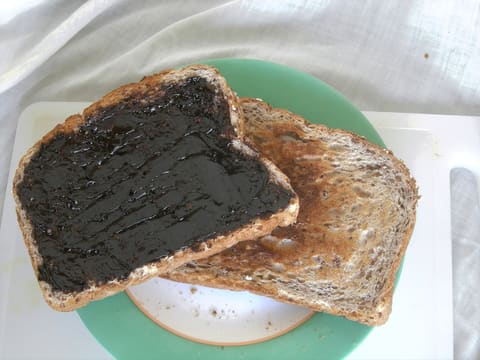
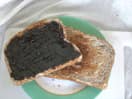
Photo: TheJackal · CC BY-SA 3.0
What decides the answer
-
Yeast extract (primary-grown/fermentation) — no controversy
Halal -
Yeast extract from spent brewer's yeast (washed, de-bittered) — per mainstream authorities; avoided by a cautious minority
Halal -
Marmite (UK) — certified by the Halal Food Authority
Halal -
Products listing 'yeast extract' among ingredients (crisps, stocks) — per mainstream view
Halal -
Vegemite: positions vary - historically brewer's-yeast-derived; check current certification status per your standard
Where you'll find it
- Marmite, Vegemite, and savoury spreads
- Umami boost in soups, stocks, and gravies
- Flavouring in crisps and snacks
- Vegan 'cheesy' and 'meaty' flavours
- Stock cubes
Why this ruling
Yeast extract is the food industry's umami engine: yeast cells broken open (autolyzed), their savoury interior - glutamates, peptides, B-vitamins - concentrated into the dark paste of Marmite and Vegemite and the background depth of countless crisps, stocks, and soups. Its halal question exists for exactly one reason: some of that yeast once made beer.
Separate the substances and the ruling clarifies. Alcohol is what yeast excretes into the liquid during fermentation - it stays in the beer. The extract is the yeast cell itself: harvested, washed (de-bittered, removing beer residues), and processed into cell contents that are chemically nothing like khamr and cannot intoxicate at any dose.
On this basis the mainstream authorities line up: the Halal Food Authority has certified Marmite in the UK, JAKIM-certified products use yeast extract, and consumer guides such as the Muslim Consumer Group list brewer's yeast and its extract as halal. Check the current mark on the jar or pack you buy. Bread yeast, nutritional yeast, and extract grown primarily on molasses were never in question at all.
The minority position deserves fair statement: some scholars and community bodies (Singapore commentary among them) counsel avoiding spent-brewery yeast on origin grounds - a by-product of prohibited industry, regardless of composition. Muslims following this stricter line have an easy path, because much commercial yeast extract is already primary-grown (cultivated for the purpose, no brewery involved), and products can be chosen accordingly; nutritional yeast is always in this category.
Label-reading, then: 'yeast extract' in your crisps and stock cubes is halal per the mainstream rulings; Marmite has carried certification in the UK, so check the current jar; Vegemite-style products vary by era and market - check current status if the by-product question moves you. And the umami itself - the savoury depth that made a beer-industry leftover into a national breakfast - was always just amino acids doing what they do in halal soy sauce and aged cheese alike.
On the shelf
Marmite, the best-known yeast extract, lists "yeast extract (contains barley, wheat, oats, rye), salt, vegetable juice concentrate, vitamins" and a natural flavouring. Its UK jar records carry the Halal Food Authority mark and vegan labels.[4][5] See also Marmite and Vegemite.
Spreads, crisps, and stock cubes
Yeast extract powers Marmite, Vegemite-style spreads, and savoury snacks. Alcohol stays in beer; washed autolyzed cells become umami paste. HFA certification context: halalfoodauthority.com (retrieved 20 July 2026). JAKIM: MYeHALAL (retrieved 20 July 2026). See marmite, vegemite, beer. FDA labelling hub: fda.gov/food (retrieved 20 July 2026).
Crisps, gravy granules, and vegan “cheese” flavours
Yeast extract hides in chip seasonings and instant gravies as a clean-label umami tool. Mainstream Halal practice accepts it; origin-scrupulous households can seek “primary grown” or nutritional-yeast wording. Marmite on toast remains one of the simplest certified savoury spreads in the UK. When a snack lists both yeast extract and cheese powder, the cheese enzymes—not the yeast extract—are usually the harder audit.
For gravies and vegan “cheesy” seasonings, yeast extract is usually the Halal-friendly umami path compared with undocumented animal broth powders.
How to verify
- Yeast extract is cell contents, not beer, and is treated as Halal.
- Marmite UK carries HFA Halal certification.
- If you follow the minority brewery-by-product caution, choose primary-grown / nutritional yeast extract.
- Vegemite and regional spreads: check current certification if origin scruples apply.
Quick checks
- Yeast extract ≠ alcohol.
- Marmite: HFA-certified Halal.
- Minority avoids spent brewer’s yeast on origin grounds.
- Nutritional yeast is primary-grown and uncontroversial.
Frequently asked questions
Is Marmite halal?
Does yeast extract contain alcohol?
Why do some Muslims avoid it then?
Is yeast extract the same as MSG?
Is nutritional yeast halal?
Scholarly view
The key distinction: yeast extract is the contents of yeast cells (proteins, glutamates, B-vitamins) - it is not beer, contains no meaningful alcohol, and the extraction washes and autolyzes the cells. Certification rests on this: the Halal Food Authority mark is on Marmite's UK jars.
The minority caution concerns origin - spent brewer's yeast is a by-product of khamr production - leading some to prefer primary-grown (baker's-type) yeast extract, which much commercial supply already is.
Sources
Named Islamic, certifier, manufacturer, and regulatory sources used on this page. Inline markers like [1] jump here. Retrieval dates show when we last checked the live URL. Editorial methodology.
Certifier / jurisdiction
-
Retrieved
Manufacturer / product
-
Marmite Yeast Extract Spread, UK (8712100782114)
Open Food Facts (pack record) Retrieved
Record updated March 2026; labels recorded: vegan, vegetarian, Halal, kosher and Halal Food Authority. Ingredients: yeast extract (contains barley, wheat, oats, rye), salt, vegetable juice concentrate, vitamins, natural flavouring (contains celery).
-
Marmite Yeast Extract, UK (5000184201199)
Open Food Facts (pack record) Retrieved
Record updated March 2026; labelled vegan and Vegetarian Society approved. Same ingredients.
Regulatory / labelling
-
Retrieved
People also check
Related ingredients and products for this item.