
Is Fish Sauce Halal?
Yes — this one is Halal.
Traditional fish sauce is fermented fish (often anchovy) and salt—both Halal for consumers who eat fish.
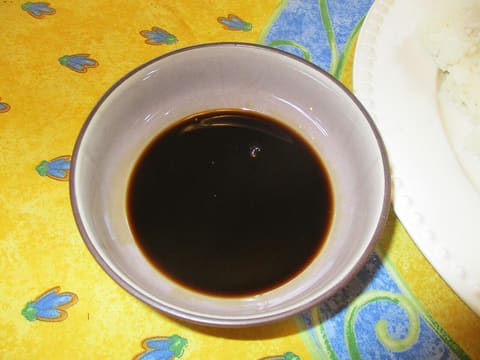
Photo: Mx. Granger · CC BY-SA 4.0
What decides the answer
-
Classic fish + salt fermentation
Halal for fish-eaters -
Added wine/mirin
avoid -
Krill/shellfish variants
follow your shellfish ruling -
Halal-certified bottles
clearest retail option
Where you'll find it
- Thai and Vietnamese dipping sauces
- Stir-fries, soups, and curries
- Marinades and salad dressings
- Umami seasoning in Southeast Asian cooking
Why this ruling
Fish sauce is a salty, umami liquid condiment made by fermenting fish with salt for months or years, then filtering the brine. In Thai and Vietnamese kitchens it is as basic as soy sauce elsewhere. For Halal analysis the core product is fish plus salt—permissible for Muslims who eat fish.
Classic bottle vs modern blends
| Product | Typical Halal read |
|---|---|
| Anchovy + salt (+ water/sugar) | Halal |
| Premium first-press fish sauce, same base | Halal |
| Blends with chili, garlic, sugar only | Usually Halal—still read |
| Blends with wine, mirin, or spirits | Avoid |
| Krill or mixed seafood sauces | School-dependent if shellfish |
| Vegan “fish sauce” alternatives | Plant rules—not fish sauce |
Culinary references and export producers describe traditional nước mắm / nam pla methods; regulatory pages on seafood labelling address species naming and safety (FDA seafood guidance, retrieved 20 July 2026), not Islamic certification.
Why this page is Halal (with checks)
Unlike oyster sauce or shrimp paste, anchovy fish sauce is fish. It does not automatically fall under the shellfish madhhab split. The checks that remain are additive alcohol, unclear “seafood” bases, and factory Halal marks for consumers who want audits. Fermentation produces strong aroma and amino-acid richness; that chemistry is not pork and is not khamr in the soft-drink sense.
Cooking use and restaurant sauces
Fish sauce in a Halal home kitchen is straightforward. Restaurant “house sauces” may mix fish sauce with oyster sauce, wine, or non-Halal stock—ask when ordering dipping sauces for spring rolls. Worcestershire-style sauces are a different family (sometimes anchovy + vinegar + other flavours)—verify separately.
Certification and markets
Malaysia, Indonesia, Thailand, and Vietnam all produce export fish sauce; many products carry Halal logos for domestic Muslim consumers. Confirm marks on the bottle and use JAKIM’s Portal Halal / MYeHALAL (retrieved 20 July 2026) for Malaysian directory checks. Western supermarket bottles of Red Boat–style or supermarket private-label fish sauce are often simple ingredient lists even without a logo—read them.
Sustainability or premium branding (barrel age, artisanal salt) does not equal Halal certification. Conversely, a Halal logo does not answer environmental questions.
Homemade dips, meal kits, and “fish sauce” powders
Nuoc cham–style table dips mix fish sauce with lime, sugar, chili, and garlic—Halal when the fish sauce bottle is clear and no wine is added. Meal-kit sachets labelled only “sauce” may hide oyster sauce or wine alongside fish sauce; open the ingredient card. Powdered “fish sauce seasoning” for snacks can include flavour enhancers and anti-caking agents—read those packs like any seasoning dust, not like a traditional fermented bottle.
Some premium bottles advertise longer barrel ageing or artisanal salt beds. Those quality stories do not change the Halal baseline, and they do not replace a Halal logo when you need one for institutional kitchens. Conversely, a cheap supermarket bottle with a three-ingredient list can be perfectly acceptable for home cooking without a logo.
If you avoid shellfish by school, double-check that “seafood sauce” or “shrimp-flavoured fish sauce” variants are not in the cart. Anchovy-only nam pla remains the default Halal-friendly choice for fish-eaters. Keep oyster sauce on its own shelf mentally—and on its own site page.
Realistic verification
How to verify
- Prefer bottles listing only fish (or anchovy), salt, and water/sugar.
- Reject blends that add wine, mirin, or spirits.
- If the sauce uses krill or shellfish and your school restricts shellfish, choose anchovy-only fish sauce or skip.
- Prefer Halal-certified fish sauce when available in ASEAN markets.
- Treat ‘fish sauce’ seasoning powders and vegan alternatives as separate products.
Frequently asked questions
Is fish sauce Halal?
Is nam pla or nước mắm Halal?
Does fermentation alcohol make fish sauce Haram?
Is fish sauce the same as oyster sauce?
Where can I find Halal-certified fish sauce?
Scholarly view
Anchovy-based fish sauce is fish, not shellfish, so it does not inherit the Hanafi crustacean debate that affects shrimp paste. Krill-based or mixed seafood sauces may. Trace ethanol from fermentation is generally treated like other fermented condiments by many scholars; deliberately added cooking wine is not. Oyster sauce is a different product—do not equate the two.
Sources
Named Islamic, certifier, manufacturer, and regulatory sources used on this page. Inline markers like [1] jump here. Retrieval dates show when we last checked the live URL. Editorial methodology.
Islamic / scriptural
-
IslamWeb 87405 — crabs and school opinions
IslamWeb Retrieved
Names Hanafi / Maliki / Shafi‘i / Hanbali positions on crab (and analogous shellfish).
-
IslamWeb 81789 — sea creatures being Halal
IslamWeb Retrieved
Summarises four-Imam disagreement on non-fish sea animals.
Certifier / jurisdiction
-
Retrieved
Regulatory / labelling
-
Retrieved
People also check
Related ingredients and products for this item.

Halal-conscious recipes
A substitution-led recipe that uses this analysis.
Browse this topic
Open the parent category hub for more foods in the same group.