
Topic hub
Halal Southeast Asian food
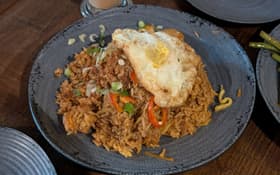
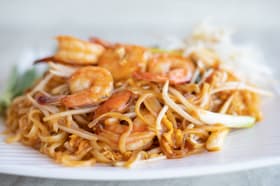
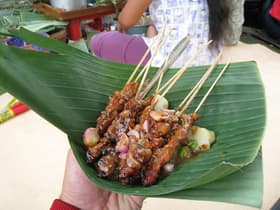
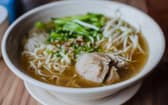
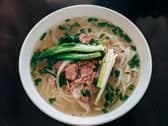
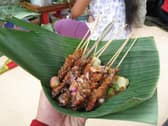
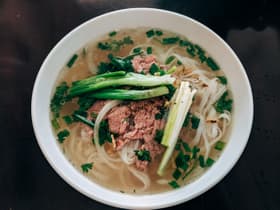
Southeast Asian food is not Halal or Haram by region name alone. Malaysia and Indonesia run large Halal-certified food economies, while Vietnam, Thailand, and tourist strips mix pork, lard, shrimp paste, and fish sauce into everyday dishes. Nasi goreng, rendang, and satay are straightforward in Halal-marked Malay and Indonesian kitchens; pad thai, phở, and bánh mì need pork, broth, and sauce checks; shellfish rulings vary by school.
- In Malaysia and Indonesia prefer JAKIM or MUI Halal marks on packaged food and restaurants
- Elsewhere ask about pork, lard, bone broth, fish sauce, and shrimp paste
- Choose certified satay and rendang when available
- Treat street bánh mì and phở as pork- and broth-conditional
Status overview
How foods in this topic break down by Halal ruling.
- Halal if verified 6
Frequently asked questions
Is Southeast Asian food Halal?
Southeast Asian cuisine as a whole is not automatically Halal. Malaysia and Indonesia are largely Halal-oriented at the retail level, but Thailand, Vietnam, and diaspora kitchens often use pork, fish sauce, and non-Halal meat stock. Use this hub to check each country, dish, and ingredient.
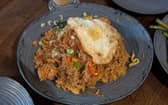
Is nasi goreng Halal?
Nasi goreng is Halal when cooked without pork, lard, or alcohol and the meat or shrimp meets your Halal and seafood standards. In Malaysia and Indonesia, Halal-marked warungs and restaurants are the safest choice. Abroad, ask whether the wok shares pork or uses shrimp paste and fish sauce.
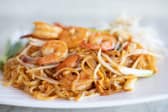
Is pad thai Halal?
Pad thai is not automatically Halal. Traditional recipes use fish sauce, shrimp, and sometimes pork or lard in the wok. Halal versions exist in Muslim areas of Thailand and in certified restaurants—confirm no pork, no alcohol in sauces, and acceptable seafood for your school before ordering.
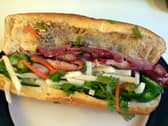
Is bánh mì Halal?
Classic Vietnamese bánh mì often includes pork pâté, pork sausage, or pork char siu—all Haram. Chicken, beef, or tofu bánh mì can be Halal if the meat is Halal-slaughtered and the pâté, mayonnaise, and pickled vegetables contain no pork fat or alcohol. Always specify no pork and ask about shared prep surfaces.
Is Malaysian and Indonesian food Halal?
Malaysia and Indonesia have extensive Halal certification systems (JAKIM, MUI, and related marks) covering restaurants, factories, and packaged food. Mainstream local cuisine—rendang, satay, soto, and nasi campur—is widely Halal when bought from certified outlets. Uncertified street food still needs meat and sauce checks.
Can Muslims eat Southeast Asian food while traveling?
Yes, with country-specific care. In Malaysia and Indonesia, follow Halal logos and Muslim neighbourhoods; in Thailand and Vietnam, seek Muslim-run restaurants, choose vegetable or confirmed chicken dishes, and avoid pork-forward soups and noodles. Check fish sauce, shrimp paste, and shellfish against your school’s rulings.
Related topics
Explore connected ingredients, regions, and certification guidance.