
isithalal.food Logo

Topic hub

Halal South Asian food (South Asia)

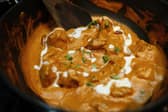
South Asian food is not Halal or Haram by region name alone. Muslim-run kitchens across Pakistan, India, Bangladesh, and diaspora communities usually serve Halal meat, yet mixed restaurants, Hindu-vegetarian outlets, and packaged sweets still need checks. Biryani and butter chicken track slaughter; paneer and ghee track animal rennet and dairy source; samosas and jalebi-style sweets may use shared fryers or gelatin. Dosa and plain naan are often the simplest plant-forward plates when fillings are verified.

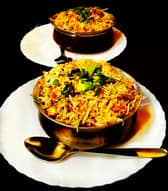
  • Choose Muslim-run or Halal-certified biryani and butter-chicken shops
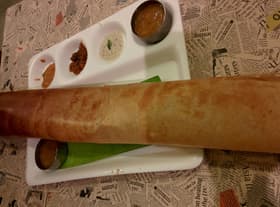
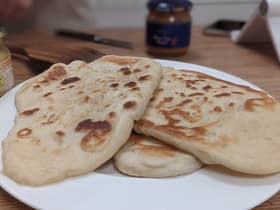
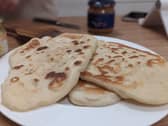
  • Treat dosa and plain naan as usually fine when no lard or alcohol is in the batter
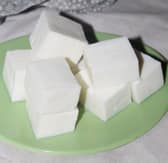
  • Verify paneer and ghee rennet or dairy source
  • Scan sweets for gelatin and alcohol flavourings
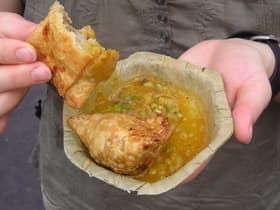
  • Ask about samosa fryer oil when certification is absent
Status overview

How foods in this topic break down by Halal ruling.

  • Halal 1
  • Halal if verified 5

Foods in this topic

6 items All topics

Filter by status

Frequently asked questions

Is South Asian food Halal?
South Asian cuisine as a whole is not automatically Halal. Many dishes are widely Halal in Muslim communities (biryani, kebabs, Halal-marked restaurants), but mixed kitchens may use non-Halal meat, rennet cheese, or gelatin in sweets. Use this hub to check each dish and restaurant.
Is biryani Halal?
Biryani is Halal when the meat (chicken, mutton, or beef) comes from Halal slaughter and no alcohol or non-Halal stock is used. In diaspora cities, prefer busy Muslim-run biryani houses or shops with a Halal mark; ask about shared rice cookers with pork dishes in mixed buffets.
Is paneer Halal?
Paneer can be Halal when made with microbial or vegetable rennet and Halal milk. Traditional paneer often uses animal rennet, so treat restaurant and packaged paneer as rennet-conditional unless the source is confirmed. Vegetable curries with verified paneer are usually easier than cheese-heavy sweets.
Is dosa Halal?
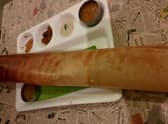
Plain dosa (fermented rice-and-lentil crepe) is generally Halal. The ruling changes with fillings and sides—sambar may use asafoetida or stock; chutneys can include alcohol vinegar; and some batters in non-vegetarian restaurants share equipment with meat. Prefer dedicated vegetarian or Halal South Indian outlets when unsure.
Is butter chicken Halal?
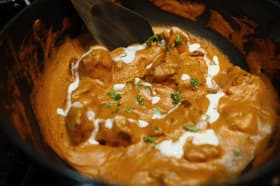
Butter chicken is Halal only when the chicken is Halal-slaughtered and the cream, butter, and spices contain no alcohol or non-Halal additives. Muslim-run North Indian restaurants are the safest default; in mixed kitchens, confirm the meat supplier before ordering.
Are South Asian sweets Halal?
Many mithai and festival sweets are Halal in Muslim sweet shops, but commercial versions may use gelatin, cochineal, or alcohol-based flavourings. Check labels for E-numbers and gelatin source; prefer shops with clear Muslim clientele or Halal certification for burfi, gulab jamun, and similar items.