How to verify
- Confirm no pork.
- Ask which meat and whether it is Halal-slaughtered.
- Ask what fat the wok was fried in.
- Terasi/belacan is shrimp paste—seafood for most practice.
- In Malaysia and Indonesia, prefer a Halal-marked stall (JAKIM or BPJPH) when available.
Quick checks
- Ask which meat: chicken (ayam), prawn (udang), beef, or pork (babi).
- In mixed cities and hotels, ask whether the wok is shared with pork.
- Kecap manis and sambal are usually plant-based; a Halal logo from Indonesia's BPJPH or Malaysia's JAKIM settles a packaged sauce.
What decides the answer
-
Halal-slaughtered chicken or prawn, plant oil, Halal kecap
Halal -
Unverified street or hotel wok
Halal if verified -
Pork or pork-fat wok
Haram
Why this ruling
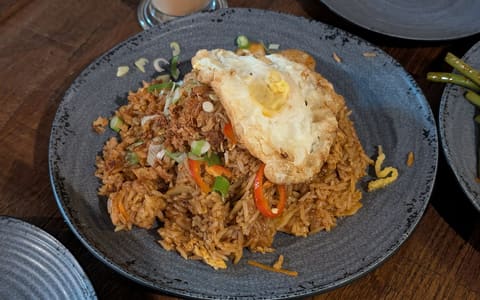
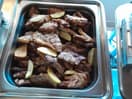
Nasi goreng is the fried rice of Indonesia, Malaysia and Singapore: day-old rice stir-fried with shallots, garlic, chilli and kecap manis, a thick sweet soy sauce, often with a little shrimp paste, and usually topped with a fried egg, prawn crackers and pickles.[1] It is eaten for breakfast, lunch and dinner, from street carts to hotel buffets.
What is in it
| Part | Usually | Halal? |
|---|---|---|
| Rice, shallots, garlic, chilli | Plant | Yes |
| Kecap manis, soy sauce | Fermented soy and palm sugar | Yes, usually; see soy sauce |
| Shrimp paste (terasi, belacan) | Fermented shrimp | Yes, for most scholars |
| Egg, prawn crackers (krupuk), pickles (acar) | Egg, prawn or fish, vegetables | Yes |
| Chicken, beef, prawns, anchovies | Meat or seafood | Meat needs Halal slaughter |
| Satay skewers on the side | Chicken, beef or goat | Needs Halal slaughter; see satay |
Where it can go wrong
Pork versions (nasi goreng babi) exist in Chinese-Indonesian kitchens and in non-Muslim areas, and some cooks fry in lard or add Chinese sausage.[2] Street woks are used for one dish after another, so ask what the wok is used for if the stall also sells pork.
In Malaysia, Indonesia and abroad
In Malaysia, a JAKIM Halal certificate on the restaurant or stall covers what it serves.[3] In Indonesia, most warung and restaurants are Muslim-run, and certification under the national Halal law is being phased in. Hotel buffets and restaurants abroad vary; in the Netherlands, where nasi goreng is a snack-bar and supermarket classic, some ready meals and nasi snacks contain pork, so read the label.
Popular versions include nasi goreng kampung (with anchovies and water spinach) and nasi goreng pattaya (wrapped in an omelette). For other dishes from the region, see rendang and bakso.
Where you'll find it
- Indonesian and Malay warungs
- Nasi goreng ayam or seafood
- Hotel breakfast fried rice
Frequently asked questions
Is nasi goreng Halal?
Is kecap manis Halal?
Does shrimp paste matter?
Is nasi goreng in Bali Halal?
Scholarly view
Pork fried rice is Haram. Chicken needs Islamic slaughter. Shrimp paste is seafood for most Sunni practice. A Malay or Indonesian name is not a certificate on a mixed wok.
Sources
Named Islamic, certifier, manufacturer, and regulatory sources used on this page. Inline markers like [1] jump here. Retrieval dates show when we last checked the live URL. Editorial methodology.
Islamic / scriptural
Certifier / jurisdiction
-
Portal Halal Malaysia (MYeHALAL)
JAKIM Retrieved
Malaysian Halal authority directory—useful for labelled stalls and packaged kecap in Malaysia, not proof that every nasi goreng wok worldwide is certified.
Context / background
-
Nasi goreng — Indonesian and Malay fried rice
Wikipedia Retrieved
Culinary identity: fried rice with kecap manis, chilli, garlic, often shrimp paste, egg, chicken, or prawn. Identity context, not a Halal certificate.

Browse this topic
Open the parent category hub for more foods in the same group.