
What decides the answer
-
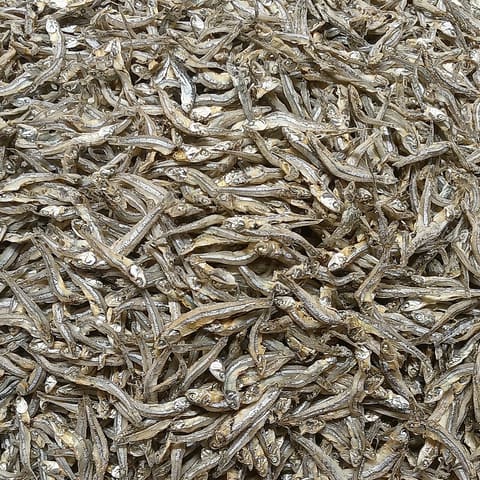
Fresh, cured, or canned anchovies — in every school
Halal -
Anchovy paste — when ingredients are simple
Halal -
Caesar dressing: anchovy fine—check Parmesan rennet and Worcestershire brand
-
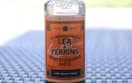
Worcestershire sauce: anchovy fine—verify other ingredients per brand
Where you'll find it
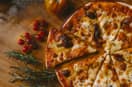
- Pizza topping
- Caesar salad dressing
- Anchovy paste and cured fillets
- Worcestershire sauce component
- Asian fish sauces and Mediterranean tapenades
Why this ruling
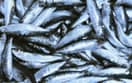
Anchovies are tiny, intensely savoury scaled fish—eaten whole on pizza and in tapas, but far more often dissolved invisibly into the Western flavour arsenal: Caesar dressing, Worcestershire sauce, tapenades, puttanesca, and the fish sauces of Southeast Asia. Their Halal status is unambiguous: scaled fish are permissible in every school of Islamic law, Sunni and Ja'fari, and no slaughter applies to sea creatures (quran.com/5, retrieved 20 July 2026).
The anchovy is never the problem
That universality is useful because anchovies appear as a minor ingredient in so many products that Halal-conscious eaters regularly ask about them. The rule: the anchovy is never the problem. Anchovy fillets cured in salt or olive oil, anchovy paste (anchovies, salt, oil), and the fermented anchovy backbone of fish sauce are all Halal as such. When a condiment containing anchovies raises Halal questions, the concern is always elsewhere in the recipe. Label reading: fda.gov (retrieved 20 July 2026).
Famous cases
- Caesar dressing: anchovies fine; check Parmesan rennet and Worcestershire.
- Worcestershire sauce: anchovies fine; verify vinegars and rare wine additions—see the dedicated page.
- Puttanesca and tapenade: anchovies and olives fine; some recipes splash wine.
- Fish sauce (nam pla, nuoc mam): fermented anchovies and salt—Halal for mainstream scholars; same fermentation-trace reasoning that keeps soy sauce and vinegar permissible.
Fresh and restaurant use
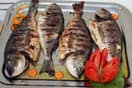
Fresh anchovies—grilled, fried, or marinated Spanish-style (boquerones)—are Halal for everyone. On pizza, anchovies themselves are fine; the rest of the pie may not be (pepperoni, ham). Seafood hygiene inspection is not a religious ruling (fda.gov, retrieved 20 July 2026). Certified condiments may carry marks referenced via JAKIM (MYeHALAL, retrieved 20 July 2026).
If you love big flavour, the little fish is one of the Halal kitchen’s best legal weapons: umami depth with no fiqh footnotes beyond reading the rest of the label.
Umami swaps and pantry strategy
Keep a jar of salt-packed or oil-packed anchovies for pasta, roasted vegetables, and salad dressings. One fillet melted into olive oil with garlic builds savoury depth without meat stock. If a guest avoids the taste of whole fillets, anchovy paste in measured amounts disappears into tomato sauce while remaining Halal fish.
When a restaurant Caesar is uncertain, ask for dressing on the side or a simple oil-lemon salad rather than guessing about Parmesan rennet. Worcestershire-based marinades for grilled chicken should be brand-checked once and then reused confidently. Southeast Asian kitchens using fish sauce can usually accommodate Halal practice with standard fermented anchovy sauces—confirm no wine-based brand variants. Pantry rule: the little fish is a tool, not a threat; unread compound sauces are the threat.
How to verify
- Fresh, cured, or canned anchovies are Halal fish in every school.
- Anchovy paste is usually fine—read for extras.
- In Caesar dressing and Worcestershire, the anchovy is not the problem—check cheese rennet, wine, and other additives.
- Fish sauce: fermented anchovy + salt is Halal for mainstream scholars; still prefer clear labels.
- Pizza toppings: anchovies themselves are fine; watch other meats on the same pie.
Quick checks
- Anchovies = scaled fish → Halal in every school.
- In condiments, audit the other ingredients.
- Caesar: rennet cheese + Worcestershire brand.
- Pizza: anchovies fine; other toppings may not be.
Frequently asked questions
Are anchovies Halal for all schools including Shia?
Is Caesar dressing Halal given the anchovies?
Is Worcestershire sauce Halal because of anchovies?
Are cured anchovies with salt Halal?
Is fish sauce Halal?
Scholarly view
Anchovies have visible scales and fins and are Halal across all schools, including Ja'fari fiqh. Because anchovies dissolve into so many condiments, the useful knowledge is that the anchovy component is never the problem. Qur'an 5:96: quran.com/5, retrieved 20 July 2026.
Sources
Named Islamic, certifier, manufacturer, and regulatory sources used on this page. Inline markers like [1] jump here. Retrieval dates show when we last checked the live URL. Editorial methodology.
Islamic / scriptural
-
Retrieved
-
IslamWeb 87405 — crabs and school opinions
IslamWeb Retrieved
Names Hanafi / Maliki / Shafi‘i / Hanbali positions on crab (and analogous shellfish).
-
IslamWeb 81789 — sea creatures being Halal
IslamWeb Retrieved
Summarises four-Imam disagreement on non-fish sea animals.
Certifier / jurisdiction
-
Retrieved
Regulatory / labelling
-
Retrieved
-
Retrieved
People also check
Related ingredients and products for this item.