
Are Sardines Halal?
Yes — this one is Halal.
Sardines are Halal in every school—small scaled fish requiring no slaughter.
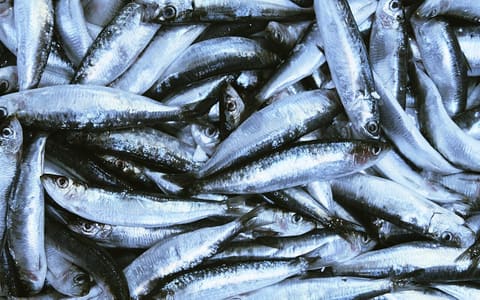
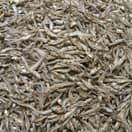
Photo: Marek Ślusarczyk (Tupungato) · CC BY 3.0
What decides the answer
-
Fresh or plain canned sardines — in every school
Halal -
Sardines in tomato, chili, or olive oil — simple ingredients
Halal -
Flavoured varieties (mustard-dill, smoked with additives) — in nearly all cases - scan the label
Halal -
Rare wine-sauce preparations
Haram
Where you'll find it
- Canned sardines in oil, water, or tomato sauce
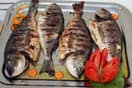
- Grilled fresh sardines (Mediterranean style)
- Sardines on toast and in salads
- Pasta con le sarde and Mediterranean dishes
Why this ruling
Sardines—small, silvery, scaled fish of the herring family—are among the cheapest, densest protein options on any shelf, eaten fresh off Mediterranean grills and canned by the billion. Their Halal status is as simple as seafood gets: scaled fish are permissible in every school of Islamic law, Sunni and Ja‘fari alike, and no slaughter requirement applies to fish from the sea.
English study access to Quranic permissions regarding seafood and lawful foods is available via quran.com/5 (retrieved 20 July 2026). U.S. canned fish labelling and seafood safety sit under FDA seafood oversight (FDA Seafood, retrieved 20 July 2026). Those frameworks confirm you are buying fish; they do not replace reading the sauce ingredients on flavoured tins.
Fresh vs canned: where nuance lives
Fresh sardines carry almost no catches: grilled with salt, lemon, and olive oil in the Mediterranean style, they are Halal for everyone at the table. The only nuance worth knowing concerns the can. Halal authorities such as Indonesia’s LPPOM MUI note that canned fish is “not automatically Halal”—not because of the fish, but because of what factories add: sauces, flavourings, seasonings, and processing aids. For sardines this is a modest concern in practice. The standard formats—sardines in spring water, in olive or sunflower oil, in tomato sauce, or with chili—contain nothing questionable for mainstream analysis.
Rare exceptions are speciality flavours (wine-based sauces, unusual smoke flavour systems with opaque carriers). A two-second ingredient scan catches them. Smoked sardines in oil are still fish plus oil; “smoked” is a process, not a Haram flag by itself.
Recipe context
Sicilian pasta con le sarde is traditionally fine when the recipe stays with fennel, pine nuts, raisins, and sardines—check modern restaurant versions for wine reductions. Tapas settings may share plates and fryers with chorizo; that is a kitchen cross-contact preference, not a change to the fish’s species ruling. Anchovy-family fish in Worcestershire-style sauces are Halal as fish protein; the sauce’s other ingredients (vinegar type, rare wine additions) decide the bottle—see Fish Sauce and Vinegar.
Pantry practice
For Muslims building a pantry, plain canned sardines deserve their reputation: shelf-stable, omega-3 dense, unimpeachably Halal as fish, and requiring no certification logic beyond reading five ingredients. Certification adds assurance for flavoured products and processing aids when you want it, but it is not required to make plain sardines in water or olive oil permissible. Stock them next to tuna and salmon with the same scaled-fish confidence.
Realistic verification
How to verify
- Prefer plain sardines in water, oil, tomato, or chili with a short ingredient list.
- Skip wine-sauce specialities.
- Fresh grilled sardines need no certification beyond ordinary seafood handling.
- At restaurants, watch shared plates with pork cured meats.
Frequently asked questions
Are canned sardines halal?
Are sardines halal for Shia Muslims?
Do sardines need halal certification?
What about Worcestershire sauce containing anchovies/sardine-family fish?
Scholarly view
Sardines have scales and appear on all halal fish lists, including Ja'fari lists - permissible for every tradition. Indonesian authority LPPOM MUI notes that canned fish is 'not necessarily halal' only because of added ingredients (sauces, flavourings) and processing aids, not the fish.
Plain sardines in water, olive oil, or simple tomato sauce are unproblematic; wine-sauce or unusual flavoured varieties warrant a label glance.
Sources
Named Islamic, certifier, manufacturer, and regulatory sources used on this page. Inline markers like [1] jump here. Retrieval dates show when we last checked the live URL. Editorial methodology.
Islamic / scriptural
-
Retrieved
-
IslamWeb 87405 — crabs and school opinions
IslamWeb Retrieved
Names Hanafi / Maliki / Shafi‘i / Hanbali positions on crab (and analogous shellfish).
-
IslamWeb 81789 — sea creatures being Halal
IslamWeb Retrieved
Summarises four-Imam disagreement on non-fish sea animals.
Regulatory / labelling
-
Retrieved