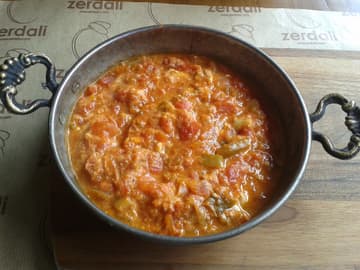
Why this ruling
Eggs from permissible birds are Halal. Chickens, ducks, quail, geese and ostriches are all Halal species, and an egg is not carcass meat, so there is no slaughter requirement for the egg itself.[1][2] That applies to supermarket eggs from any farm and any country; free-range, organic and cage labels are about welfare, not Halal status.
Kitchen questions people ask
- Blood spots. A small red spot in the yolk is a harmless rupture of a blood vessel during laying. It is a purity and preference question rather than a verdict on the egg, and most cooks simply lift it out with a spoon.
- Fertilised eggs. Ordinary table eggs are almost always unfertilised. Dishes built on a developing embryo, such as balut, are a different food with their own scholarly discussion.
- Egg-derived additives. Lysozyme (E1105) and egg lecithin come from hens' eggs, so they follow the egg: Halal.
Where egg dishes go wrong
The egg is rarely the problem; what it is cooked with often is.[3]
- Breakfasts – fried eggs cooked in bacon fat, scrambled eggs next to sausages, eggs Benedict with ham.
- Sauces – mayonnaise depends on its vinegar and oil; hollandaise and béarnaise are often finished with a wine or wine-vinegar reduction.
- Bakes and desserts – cakes and custards flavoured with alcohol-based extracts, meringues and mousses set with gelatin.
- Street and pub food – Scotch eggs are wrapped in pork sausage meat.
How to order and buy
At home there is nothing to check on the egg carton. In a restaurant, ask what the eggs are fried in and whether the pan is shared with pork; in a bakery, ask about gelatin and extracts. Egg noodles, egg pasta and plain boiled eggs need no further thought.
Eggs of other animals, and balut
Muslim.sg, whose articles are vetted by Singapore's accredited religious teachers, sets out the edges of the ruling. Eggs of chickens, ducks and other poultry are Halal by default and need no slaughter. For eggs of animals that may not be eaten, the majority of scholars permit only eggs of Halal animals, and a minority permit any egg that does no harm. Balut, the fertilised duck egg eaten with its developing embryo, is treated as Haram, because the embryo is an animal that was not slaughtered [4].
How to verify
- Plain shell eggs → Halal.
- Liquid egg products: read for additives.
- Mayonnaise and bakery goods: check oils and emulsifiers.
- Restaurant omelettes: ask about butter, lard and shared grills.
Quick checks
- Eggs from Halal birds are Halal and need no slaughter.
- A small blood spot is harmless; lift it out if you prefer.
- In restaurants, ask whether eggs are fried in bacon fat or on a grill shared with pork.
Frequently asked questions
Do eggs need to be Halal certified?
Are eggs Halal?
Is an egg with a blood spot Halal?
Why would an egg dish not be Halal?
Are eggs from birds that are not Halal allowed?
Sources
Named Islamic, certifier, manufacturer, and regulatory sources used on this page. Inline markers like [1] jump here. Retrieval dates show when we last checked the live URL. Editorial methodology.
Islamic / scriptural
-
IslamWeb Retrieved
Eggs of an animal whose meat is lawful to eat are permissible; eggs of unlawful animals are not.
-
Qur'an Retrieved
Lawful grazing livestock frame; chicken eggs inherit permissibility of the lawful bird.
-
MuslimSG: Are all eggs halal? An eggs-citing guide!
Muslim.sg (content vetted by ARS-certified asatizah) Retrieved
Ustazah Haziqah Haron, 23 July 2025: eggs of chicken, duck and other poultry are halal by default and need no slaughter; for eggs of prohibited animals the majority permit only eggs of halal animals, a minority permit all eggs unless harmful; balut is considered haram because the developing embryo was not slaughtered.
Regulatory / labelling
-
What You Need to Know About Egg Safety
U.S. FDA Retrieved
Identity/handling of shell eggs as a food commodity (safety labelling context).
Halal-conscious recipes
A substitution-led recipe that uses this analysis.