

Is Mayonnaise Halal?
Yes — this one is Halal.
Hellmann’s Real Mayonnaise (Canada) and Heinz [Seriously] Good Mayonnaise (Great Britain) are egg, named plant oil, and vinegar.
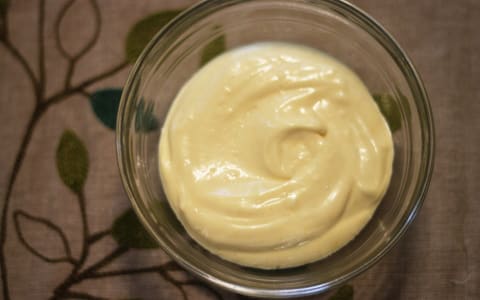
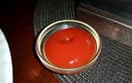
Photo: Stacy Spensley · CC BY 2.0
What decides the answer
-
Egg + plant oil + vinegar/lemon mayonnaise
Halal -
Hellmann’s Real Mayonnaise (Canada) and Heinz [Seriously] Good Mayonnaise (GB), current manufacturer lists
Halal -
A product that lists E471/E472 or animal fat: judge that list; it is not the classic jars cited here
-
A product that lists pork or unconverted wine: not classic mayonnaise
Where you'll find it
- Sandwiches, burgers, and wraps
- Salads (potato, coleslaw, tuna)
- Base for aioli, tartar, and Thousand Island
- Dipping sauce for fries and fried seafood
Why this ruling
Everyday classic mayonnaise is Halal. It is an emulsion of plant oil, egg, and vinegar or lemon. The two jars below are that recipe. Animal-source E471 is not on those lists, so it is not a usual check for commercial mayonnaise.
What's in classic mayonnaise
Hellmann’s Real Mayonnaise, 445 mL (Canada). Canola oil, water, liquid whole egg, vinegar, liquid yolk, salt, sugar, spices, concentrated lemon juice, and calcium disodium EDTA (maintains flavour) (retrieved 25 August 2026).[4] Contains egg. No E471 or E472.
Heinz [Seriously] Good Mayonnaise (Great Britain). Rapeseed oil (68%), water, pasteurised egg yolk (5%), spirit vinegar, sugar, starch, salt, mustard seeds, spice, antioxidant (calcium disodium EDTA) (retrieved 25 August 2026).[5] Contains egg and mustard. No E471 or E472.
| Look for | On the cited jars |
|---|---|
| Oil | Named canola or rapeseed — Halal |
| Egg | Halal |
| Acid | Vinegar / spirit vinegar / lemon — finished vinegar rulings |
| E471 / E472 | Not listed |
| Animal fat / lard | Not listed |
Vinegar in mayo
IslamQA 113941 discusses mayonnaise-type sauces after vinegar transformation.[6] Spirit vinegar on the Heinz GB jar is finished vinegar; SeekersGuidance (Hanafi) permits vinegar from wines and spirits.[8] Shafi'i answers allow commercial vinegar by following the Hanafi view,[1] IslamQA allows vinegar made by non-Muslims,[2] and Kewpie mayonnaise, egg, oil and vinegar, is certified Halal by Malaysia's JAKIM.[3] Only a label that says wine vinegar brings in the dispute over deliberately made wine vinegar.[7] See vinegar.
What is not a routine concern
Mono- and diglycerides can be plant or animal when they are in the recipe. They are not in the two representative products. So E471 is not a routine mayonnaise check, and shared packing lines or hidden bacon fat are not known problems in ordinary jars.
A flavoured aioli that lists pork or unconverted wine is a different product; read its list.
Homemade mayonnaise with plant oil, egg, and vinegar or lemon is the same baseline with a kitchen you control.
Realistic verification
- Plain Hellmann’s-style or Heinz-style egg mayo: the cited lists are enough.
- Only a pack that names E471/E472, animal fat, pork, or wine needs a separate read.
- Fast-food mayo follows the same answer unless the outlet uses a named bacon or wine variant.
How to verify
- Plain mayonnaise: egg, named vegetable oil, vinegar or lemon.
- The Hellmann’s Canada and Heinz GB jars cited here do not list E471/E472—do not audit classic mayo for those emulsifiers unless a different product actually names them.
- A jar that lists pork or unconverted wine is a different product.
- Homemade mayo with plant oil, egg, and vinegar or lemon matches the same baseline.
Frequently asked questions
Is the vinegar in mayonnaise from alcohol? Does that make mayo Haram?
Are Hellmann’s or Heinz mayonnaise Halal?
Do I need to check mayonnaise for E471 or E472?
Is vegan mayonnaise automatically Halal?
What about flavoured aioli or bacon mayo?
Scholarly view
Egg and plant oil are Halal. Distilled and spirit vinegar used in the cited jars are finished acetic condiments. IslamQA 113941 discusses mayonnaise-type sauces after vinegar transformation (istihalah). Animal-source E471 or E472 is not a usual concern in commercial mayonnaise: the two representative products do not list those emulsifiers. Shared-line and bacon-fat warnings are not used here without a cited formula.
Sources
Named Islamic, certifier, manufacturer, and regulatory sources used on this page. Inline markers like [1] jump here. Retrieval dates show when we last checked the live URL. Editorial methodology.
Islamic / scriptural
-
Is vinegar permissible in the Shafi'i school?
SeekersGuidance (Shaykh Jamir Meah) Retrieved
Shafi'i, 17 March 2018: permissible on condition nothing external was added during fermentation; for commercial vinegar, where the process is hard to know, there is no harm in adopting the Hanafi position.
-
IslamQA Retrieved
Deliberately turning wine into vinegar is not permissible (citing Ibn Taymiyyah), but following Ibn 'Uthaymin, vinegar made by non-Muslims who believe it lawful, including vinegar imported from non-Muslim countries, is permissible for Muslims.
-
IslamQA 113941 — vinegar and mayonnaise-type sauces
IslamQA Retrieved
Finished vinegar after transformation; mayonnaise named among ordinary vinegar sauces.
-
IslamQA 2283 — Is wine vinegar Halal?
IslamQA Retrieved
Self-transformed wine vinegar permissible by consensus; deliberate conversion is disputed.
-
SeekersGuidance — wine vinegar and spirit vinegar
SeekersGuidance Retrieved
Hanafi: vinegar from wines and spirits is permitted. Heinz GB lists spirit vinegar.
Manufacturer / product
-
Hellmann’s Real Mayonnaise 445 mL (Canada) — ingredients
Unilever / Hellmann’s Retrieved
Canola oil, water, liquid whole egg, vinegar, liquid yolk, salt, sugar, spices, concentrated lemon juice, calcium disodium EDTA. No E471/E472.
-
Heinz [Seriously] Good Mayonnaise (Great Britain) — ingredients
Kraft Heinz / Heinz Retrieved
Rapeseed oil (68%), water, pasteurised egg yolk (5%), spirit vinegar, sugar, starch, salt, mustard seeds, spice, antioxidant (calcium disodium EDTA). No E471/E472.
Context / background
-
Kewpie Mayonnaise (Japanese Style) is Halal-certified (9 September 2015)
Halal Media Japan Retrieved
Kewpie mayonnaise made at its Malacca factory is Halal-certified by JAKIM; its ingredients include vinegar.
Halal-conscious recipes
A substitution-led recipe that uses this analysis.
.jpg)