How to verify
- Rice, vegetables, sesame oil and egg are Halal.
- Beef or bulgogi must be from Halal slaughter.
- Ask whether the bulgogi marinade uses rice wine.
- Check the gochujang label for alcohol, or use a Halal-certified one.
Quick checks
- Ask whether the beef is Halal-slaughtered, or order a vegetable bibimbap.
- Ask whether the gochujang and the beef marinade contain alcohol; Halal-certified gochujang exists.
- The rice, vegetables, egg and sesame oil are Halal.
What decides the answer
-
Vegetable bibimbap with Halal-certified gochujang
Halal -
Bibimbap with Halal beef and no rice wine
Halal -
Restaurant bibimbap with beef of unknown origin
Halal if verified -
Gochujang listing alcohol
check the ingredients
Why this ruling
Bibimbap, "mixed rice", is a Korean bowl of warm rice topped with small heaps of seasoned vegetables (namul): spinach, soybean sprouts, carrot, courgette, shiitake, bracken fern and bellflower root, each dressed with sesame oil, garlic and soy sauce. A fried egg or a raw yolk goes on top, often with a little beef, and a spoon of gochujang, fermented red chilli paste, is stirred through just before eating. In dolsot bibimbap it is served in a hot stone bowl, so the rice at the bottom turns into a golden crust. The city of Jeonju is famous for its version, topped with seasoned raw beef.[1]
What decides it
| Part | Usually | Halal? |
|---|---|---|
| Rice and vegetable namul | Plant, with sesame oil and garlic | Yes |
| Egg | Fried, or a raw yolk | Yes |
| Beef or bulgogi | Minced, sliced or raw | Only from Halal slaughter |
| Bulgogi marinade | Soy sauce, sugar, pear, sesame; often rice wine | Check for rice wine |
| Gochujang | Chilli, rice, soybeans, salt | Check the label for alcohol |
| Soy sauce in the dressing | Brewed soybeans and wheat | See soy sauce |
The vegetables, rice and egg are Halal. The beef needs Halal slaughter, and in Korean restaurants outside Muslim-run kitchens it will not be.[2] Bulgogi marinades often include rice wine, and many supermarket gochujang tubs list alcohol among the ingredients; some brands make a Halal-certified gochujang. A vegetable bibimbap, with egg or tofu instead of beef, removes the meat question and leaves only the sauce.
In Korea and abroad
In Seoul, the Korea Muslim Federation certifies Halal restaurants, and several around the Itaewon mosque serve bibimbap with Halal beef. Elsewhere, ask for a vegetable bibimbap, check what the gochujang is, and ask whether the beef was cooked in the same pan as pork dishes.
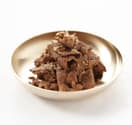
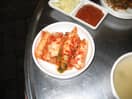
At home, bibimbap is easy to make Halal: Halal beef or none, vegetables blanched and dressed with sesame oil, and a Halal-certified gochujang. For other Korean food, see bulgogi, kimchi and the East Asia guide.
Frequently asked questions
Is bibimbap Halal?
Does gochujang contain alcohol?
Where can I find Halal bibimbap in Korea?
Scholarly view
The rice, vegetables and egg are Halal. Beef needs Islamic slaughter, and rice wine in a marinade or alcohol in a sauce needs checking.
Sources
Named Islamic, certifier, manufacturer, and regulatory sources used on this page. Inline markers like [1] jump here. Retrieval dates show when we last checked the live URL. Editorial methodology.
Islamic / scriptural
Context / background
-
Wikipedia Retrieved
Culinary identity: Korean bowl of warm rice topped with namul and gochujang; egg and sliced meat are common additions. Identity context, not a Halal certificate.