Is Bulgogi Halal?
It depends on what the label says.
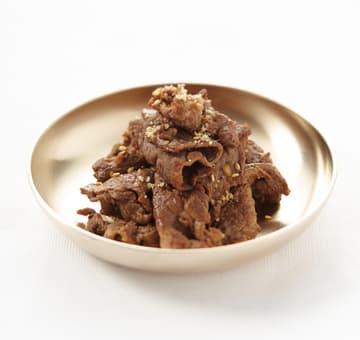
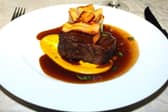
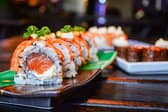
Bulgogi is Korean marinated, grilled sliced meat, classically beef, though pork bulgogi exists.

Photo: 국립국어원 · CC BY-SA 2.0 kr
How to verify
- Confirm beef or chicken, not pork.
- Require Halal slaughter.
- Ask whether the marinade includes mirin, sake, or soju.
- Ask whether the grill cooks samgyeopsal or other pork.
- Banchan sides are a separate check (some include fish or gelatin).
Quick checks
- Ask whether it is beef bulgogi or pork (dwaeji bulgogi).
- Ask whether the marinade has mirin, soju or rice wine.
- At Korean BBQ, ask for a clean grill or a separate pan; table grills are shared with pork belly.
What decides the answer
-
Halal-slaughtered beef, alcohol-free marinade, pork-free grill
Halal -
Unverified Korean BBQ plate
Halal if verified -
Pork bulgogi or pork fat on the grill
Haram
Why this ruling
Bulgogi, "fire meat", is Korea's best-known meat dish: thin slices of beef marinated in soy sauce, sugar, sesame oil, garlic, spring onion and black pepper, usually with grated Asian pear to tenderise it, then grilled or pan-fried.[1] Beef is permissible meat, so bulgogi can be Halal, but three things need checking.
1. The meat
Classic bulgogi is beef, and the beef must come from a Halal-slaughtered animal. There are also versions with other meat:
- Dwaeji bulgogi – spicy pork bulgogi with chilli paste. Pork is Haram.[2]
- Dak bulgogi – chicken, which also needs Halal slaughter.
On a menu, "bulgogi" alone usually means beef, but ask.
2. The marinade
Many Korean kitchens add a splash of rice wine (mirim or cheongju) or soju to the marinade. Wine and spirits in a marinade are not Halal.[3] Some commercial chilli pastes and sauces also list alcohol as a preservative. Soy sauce is brewed and contains a trace of alcohol from fermentation; see soy sauce for how that is treated. Ready-made bulgogi sauces list their ingredients, so read the label.
3. The grill
At a Korean barbecue restaurant, the same table grill often cooks pork belly (samgyeopsal) and marinated pork. If the grill or pan is shared, fat and marinade from the pork end up on your beef. Ask for a clean grill, or eat at a Halal Korean restaurant.
Where to find Halal bulgogi
Seoul's Itaewon, around the Central Mosque, has a cluster of Halal Korean restaurants, and Halal Korean restaurants are now common in Malaysia, Indonesia, the Gulf and Western cities with large Muslim communities. At home, thinly sliced Halal ribeye with a marinade of soy, pear, garlic, sesame and sugar, with no wine, gives the real thing.
Where you'll find it
- Korean BBQ table grills
- Home beef bulgogi
- Pork bulgogi variants
Frequently asked questions
Is bulgogi Halal?
Does the marinade contain alcohol?
Can I eat bulgogi at a Korean BBQ?
Is there Halal Korean BBQ?
Scholarly view
Pork bulgogi is Haram. Beef needs Islamic slaughter. Alcohol in marinades is prohibited. A Korean dish name is not a certificate.
Sources
Named Islamic, certifier, manufacturer, and regulatory sources used on this page. Inline markers like [1] jump here. Retrieval dates show when we last checked the live URL. Editorial methodology.
Islamic / scriptural
Context / background
-
Bulgogi — Korean marinated grilled meat
Wikipedia Retrieved
Culinary identity: thinly sliced marinated meat, typically beef, grilled; soy, sugar, sesame, garlic; pork and other variants exist. Identity context, not a Halal certificate.