What decides the answer
-
Wasabi and horseradish
plants, Halal -
Tube pastes from S&B, Vitasia and Yutaka
no animal ingredients or alcohol listed -
Sauces and coated snacks
read the other ingredients
Where you'll find it
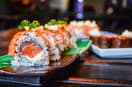
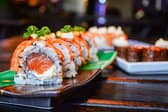
- Paste with sushi and sashimi
- Wasabi mayonnaise and dressings
- Wasabi peas and coated peanuts
Why this ruling
Wasabi is a Japanese plant related to mustard, eaten as a sharp green paste with sushi. Most of what's sold as wasabi is mostly horseradish.
What's in a tube
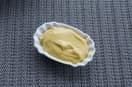
S&B's wasabi lists horseradish 31.7% and wasabi japonica 4.5%, with sorbitol, rice bran oil, salt, starch, turmeric and a blue colour.[2] Lidl's Vitasia paste lists horseradish powder 42% and wasabi 5%,[3] and Yutaka's horseradish powder 22% and wasabi powder 5%.[4] None of them lists an animal ingredient or alcohol.
The ruling
Both wasabi and horseradish are plants, and the Qur'an tells people to "eat from whatever is on earth [that is] lawful and good".[1] So plain wasabi paste is Halal.
Wasabi snacks and sauces
Wasabi-flavoured products add their own ingredients. Some wasabi-coated peanuts use a "natural flavouring (contains milk and mustard)",[5] which is fine but worth knowing if you avoid dairy. With sushi, the rice vinegar and soy sauce are the parts that raise Halal questions, not the wasabi.
How to verify
- Tube and powder pastes: expect horseradish, a little wasabi, sorbitol, oil, salt, starch and colour.
- Wasabi mayonnaise and sauces may add egg yolk, which is fine, and vinegar.
- Wasabi-coated peanuts and peas sometimes list 'natural flavouring' containing milk; read the list.
Quick checks
- Wasabi and horseradish are plants.
- Tube pastes list no animal ingredients or alcohol.
- Check sauces and coated snacks.
Frequently asked questions
Is wasabi Halal?
Is the wasabi with sushi real wasabi?
Are wasabi peas Halal?
Scholarly view
Plants are lawful unless they intoxicate or harm, in line with the Qur'anic command to eat of what is on earth that is lawful and good. Wasabi and horseradish are neither, so the only questions are the other ingredients in a particular product.
Sources
Named Islamic, certifier, manufacturer, and regulatory sources used on this page. Inline markers like [1] jump here. Retrieval dates show when we last checked the live URL. Editorial methodology.
Islamic / scriptural
-
Qur'an (Sahih International, via Quran.com) Retrieved
'O mankind, eat from whatever is on earth [that is] lawful and good and do not follow the footsteps of Satan.'
Manufacturer / product
-
Open Food Facts Retrieved
Horseradish 31.7%, humectant (E420), rice bran oil, salt, dextrin, wasabi japonica 4.5%, potato starch, water, flavouring, turmeric, thickener (E415), acid (E330), colour (E133).
-
Open Food Facts Retrieved
Horseradish powder 42%, sweetener (E420), water, soybean oil, horseradish-wasabi 5%, colour (E141), salt, turmeric, sugar, acidity regulator (E330), thickener (E415).
-
Open Food Facts Retrieved
Sorbitol, water, horseradish powder (22%), soybean oil, salt, wasabi powder (5%), mustard powder, maltodextrin, modified corn starch, mustard oil, citric acid, xanthan gum, colour (brilliant blue), turmeric.
-
Menguy's wasabi-coated peanuts
Open Food Facts Retrieved
Peanuts, corn flour, starch, wasabi flavouring 5.3% [natural flavouring (contains milk and mustard)], sunflower oil, sugar, maltodextrin, salt, acacia gum, colour (copper chlorophyll complexes).
People also check
Related ingredients and products for this item.