
Is Non Alcoholic Beer Halal?
Scholars differ on this one.
Non-alcoholic beer divides scholars, and the alcohol figure on the can decides which side a drink falls on.
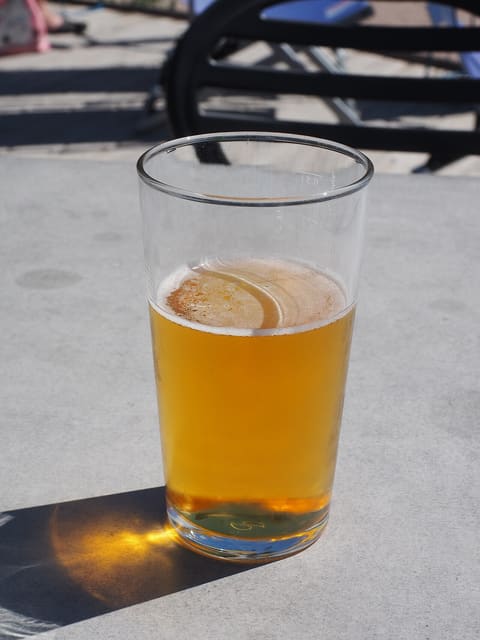
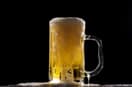
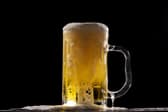
Photo: JIP · CC BY-SA 4.0
Scholarly differences
Three issues drive the disagreement: actual alcohol content (US TTB ‘‘non-alcoholic’’ malt labelling allows under 0.5% ABV; UK ‘‘alcohol free’’ guidance is ≤0.05%), production method (dealcoholized beers were khamr before the alcohol was stripped), and tashabbuh - the concern of imitating drinking culture.
Scholars permitting 0.0% drinks reason that trace, non-intoxicating alcohol occurs naturally even in bread and fruit juice. Singapore’s MUIS Fatwa Committee (via MuslimSG) rules beer/wine/spirits-style NA drinks not permitted. Malt drinks brewed to never produce alcohol (e.g. Gulf-market malt beverages with a named Halal mark) are the least controversial category.
What decides the answer
-
Malt beverages brewed without fermentation (never alcoholic) — many are certified
Halal -
'Non-alcoholic' beer with up to 0.5% ABV — prohibited by many scholars
Scholarly difference -
Dealcoholized beer (alcohol removed after full brewing) — stricter scholars prohibit since it was khamr first
Scholarly difference -
Any amount that could intoxicate if consumed in quantity — by all
Haram -
0.0% ABV products with verified zero alcohol: permitted by many scholars
How to verify
- Read the ABV: '0.0%' and 'alcohol free' are different legal categories from 'non-alcoholic' (which allows up to 0.5% in the US).
- Check for a named Halal mark and jurisdiction on the pack you hold; do not assume every 0.0% beer-style drink is certifiable (MUIS declines beer-style NA drinks).
- If the label says 'dealcoholized' or lists 'beer' with removed alcohol, know that stricter opinions prohibit it.
Quick checks
- Read the strength: “0.0%” and “alcohol-free” are not the same as “non-alcoholic”, which can mean up to 0.5%.
- Scholars differ on beer-style drinks even at 0.0%; a Halal mark with a named certifier is the clearest sign.
- “Dealcoholised” means brewed as beer and then stripped of alcohol; stricter opinions prohibit it.
Why this ruling
Non-alcoholic beer covers several quite different products, and the halal analysis depends on which one is in your hand. Dealcoholized beers are brewed as normal beer and then have the alcohol stripped out by vacuum distillation or reverse osmosis - typically landing below 0.5% ABV, a common US TTB threshold for ‘non-alcoholic’ malt labelling (EU descriptor rules are not fully harmonised; UK ‘alcohol free’ guidance is stricter at 0.05%). True 0.0% products are either dealcoholized further or brewed with special yeasts and arrested fermentation so alcohol never develops. And Gulf-market malt beverages (Barbican, Moussy, Holsten's halal lines) are formulated from the start to be alcohol-free soft drinks made of malt.
The fiqh questions stack up in layers. First, content: anything that intoxicates in large quantity is khamr and haram in any quantity, by the Prophet's explicit hadith. A drink at 0.4% ABV cannot practically intoxicate - you would process the alcohol faster than you could drink it - which is why many scholars do not treat trace ABV alone as decisive; after all, ripe fruit, bread, and fresh juice all contain natural trace ethanol.
Second, process: stricter scholars distinguish drinks that were once actual khamr (dealcoholized beer) from drinks that never fermented, prohibiting the former as a matter of principle and precaution. Third, appearance: the tashabbuh concern - that drinking something branded and styled as beer imitates drinking culture - leads authorities like Singapore's MUIS to refuse halal certification for any 'beer, wine, or spirits' styled beverage regardless of content.
Where does that leave a practical answer? Never-fermented malt beverages are halal with little controversy, and many carry certification. Verified 0.0% products are accepted by a broad set of contemporary scholars, and some never-fermented malt soft drinks carry Halal marks in specific markets—verify the named certifier and country on that pack. Sub-0.5% 'non-alcoholic' beers are genuinely disputed - significant scholarly voices prohibit them, and choosing them means knowingly consuming measurable alcohol. If you want a bright-line rule: check the label for 0.0%, prefer certified products, and know that the malt-beverage category exists precisely to give Muslims a worry-free option.
What “non-alcoholic” means on a label
Descriptor meanings are jurisdiction-specific. In the United States, TTB allows “non-alcoholic” on malt beverages only with an adjacent “contains less than 0.5% alcohol by volume” statement, and reserves “alcohol free” for no alcohol. UK (England) DHSC guidance treats “alcohol free” as ≤0.05% ABV—stricter than the common 0.5% line used in many EU markets, where descriptors are not fully harmonised. Dealcoholized beer starts as beer and removes alcohol; some scholars focus on whether the drink remains in the khamr category or resembles intoxicants in use. Singapore’s MUIS Fatwa Committee does not permit beer/wine/spirits-style NA drinks.
Practical Muslim practice
Many consumers only accept true 0.0% products from brands that never market intoxication, or they avoid beer-style drinks entirely regardless of ABV. Others accept dealcoholized lager under residual-alcohol / transformation discussions. Follow your scholar; read the number on the can (0.0 vs 0.5); do not assume “NA” means water.
Social and recipe uses
NA beer in batters and stews still needs the same label check. Beer-branded root drinks that never fermented are a different category—see root beer when applicable.
Two published answers, two conclusions
Both views are on record. IslamWeb, the fatwa service of Qatar's Ministry of Awqaf, answered a question about beer with 0.5% alcohol in 2015: such a drink is lawful when the alcohol has no intoxicating effect, even in large quantities, and unlawful when it does [7]. AskImam, supervised by Mufti Ebrahim Desai, answered the same kind of question the other way: no drink with alcohol in it is permissible, whatever the percentage [8]. The MUIS Fatwa Committee's position on non-alcoholic beer, wine and spirits sits on the stricter side as well [4]. Whichever answer you follow, the number on the can is what you apply it to.
Where you'll find it
- 0.0% lagers and wheat beers
- Dealcoholized craft beers (up to 0.5% ABV)
- Malt beverages like Barbican and Moussy
- Social settings where others drink alcohol
Frequently asked questions
Does non-alcoholic beer really contain alcohol?
Why do some scholars still prohibit 0.0% beer?
Is trace alcohol below 0.5% automatically haram?
What about malt drinks like Barbican or Moussy?
Is it sinful to drink non-alcoholic beer in a bar setting?
Which fatwas allow 0.5% beer and which forbid it?
Sources
Named Islamic, certifier, manufacturer, and regulatory sources used on this page. Inline markers like [1] jump here. Retrieval dates show when we last checked the live URL. Editorial methodology.
Islamic / scriptural
-
Retrieved
-
MuslimSG / MUIS Fatwa Committee — non-alcoholic beer/wine/spirits
MUIS (via MuslimSG) Retrieved
MUIS Fatwa Committee: de-alcoholised / NA beer-wine-spirits style drinks not permitted.
-
IslamWeb fatwa 299059: Ruling on beer with 0.5% alcohol
IslamWeb (Qatar Ministry of Awqaf and Islamic Affairs) Retrieved
26 November 2015: a drink with 0.5% or a similar trace of alcohol is lawful if it has no intoxicating effect even when drunk in large quantities; if the alcohol has an intoxicating effect, it is unlawful.
-
AskImam 18590: Is it permissible to drink non-alcoholic beer?
AskImam / Mufti Ebrahim Desai (via IslamQA.org) Retrieved
It is not permissible to drink any beverage having alcohol in it; the question named 0.2 to 0.5% alcohol.
Certifier / jurisdiction
-
Retrieved
Regulatory / labelling
-
TTB — non-alcoholic / alcohol-free malt labelling (US)
U.S. TTB Retrieved
US: ‘non-alcoholic’ requires <0.5% ABV statement; ‘alcohol free’ only if no alcohol.
-
UK DHSC — low-alcohol descriptors guidance
GOV.UK / DHSC Retrieved
England guidance: ‘alcohol free’ ≤0.05% ABV (not the US 0.5% ‘non-alcoholic’ line). EU descriptors are not fully harmonised.