
Is Root Beer Halal?
Yes — this one is Halal.
Commercial root beer sold as a soft drink is non-alcoholic soda flavoured with roots, herbs, vanilla, and spices.
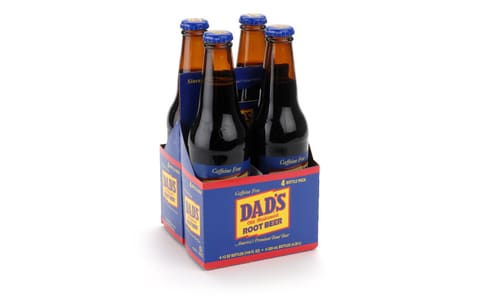
Photo: Alheding · CC BY-SA 3.0
What decides the answer
-
Commercial non-alcoholic root beer with plant ingredients
Halal -
Bottles disclosing residual brewing alcohol
avoid -
Hard root beer / alcoholic craft versions
Haram -
Floats: soda may be fine while ice cream needs its own check
Where you'll find it
- Chilled soft drink from cans or bottles
- Root beer floats with vanilla ice cream
- Fountain soda and restaurant refills
- Flavouring in candies and desserts
Why this ruling
Root beer is a sweet, foamy soft drink flavoured with sassafras-style notes, sarsaparilla, wintergreen, vanilla, licorice, and related spices. For Halal purposes the decisive fact is simple: supermarket root beer is soda, not beer. The English name comes from nineteenth-century temperance “root teas” marketed as alternatives to alcoholic beer, not from brewing intoxicating khamr.
Soft drink vs hard root beer
| Product | Typical Halal read |
|---|---|
| Canned/bottled commercial root beer (0.0% alcohol soft drink) | Halal |
| Fountain root beer syrup + carbonated water | Halal when formula is non-alcoholic |
| Root beer float (soda + ice cream) | Soda usually Halal; ice cream separate |
| “Hard root beer” / alcoholic craft | Haram |
| Small-batch fermented soda listing residual alcohol | Avoid |
Brand pages such as A&W Root Beer (retrieved 20 July 2026) present the drink as a classic American soda. FDA soft-drink labelling rules address identity and ingredients, not Islamic status (FDA labelling hub, retrieved 20 July 2026).
Brands checked (5 October 2026)
| Product | On the pack | Reading |
|---|---|---|
| A&W Root Beer (US) | High fructose corn syrup, caramel, flavours, quillaia; no alcohol listed | Halal by ingredients[1] |
| A&W Zero Sugar (US) | Aspartame and acesulfame K; no alcohol listed | Halal by ingredients[2] |
| A&W Caffeine-Free (Canada) | Cane sugar, caramel, natural flavour, quillaia; no alcohol listed | Halal by ingredients[3] |
| Mug Root Beer (Canada) | Sugar/glucose-fructose, flavours, quillaia, caramel; no alcohol listed | Halal by ingredients[4] |
| Mug Zero (US) | Aspartame, caramel, flavours, quillaia; no alcohol listed | Halal by ingredients[5] |
| Dad's Old Fashioned (US) | Cane sugar, caramel, flavours; no alcohol listed | Halal by ingredients[6] |
| Not Your Father's Root Beer (US) | Brewed beer, 5.9% alcohol; a 10.7% version too | Haram[7] |
The soft-drink rows come from barcoded pack records on Open Food Facts. None lists alcohol or an animal ingredient; "natural flavour" is not itemised on any of them, which is normal. Quillaia extract, on most of the list, is a tree-bark foaming agent. The last row is a different product altogether: Not Your Father's Root Beer is a beer, launched in 2015 at 5.9% alcohol, with a 10.7% version added in 2016. Packs that say "hard" root beer are alcoholic.
Ingredients that matter
Typical commercial formulas list carbonated water, sugar or HFCS, caramel colour, and natural or artificial flavours. Safrole-containing sassafras oil was restricted in U.S. food use decades ago, so modern brands often use safrole-free extracts or synthetic flavour systems that mimic the profile. That pattern does not by itself prove a product is free of pork or animal-derived additives—read the pack in your hand. Failure modes to watch:
- Bottles that intentionally include alcohol
- Craft “brewed” sodas that retain measurable ethanol
- Animal-derived additives if a speciality flavour lists them—check that pack rather than assuming they are absent
Flavour listings deserve a glance on unfamiliar artisan labels. Do not treat a major brand’s flavour system as plant or synthetic without reading that product.
Floats, cooking, and restaurants
A root beer float pairs soda with vanilla ice cream. The soda ruling does not automatically clear gelatin, emulsifiers, or alcohol-laced ice cream flavours—check the dairy product on its own page logic. Cooking uses (glazes, pulled-pork-style sauces in non-Halal kitchens) inherit whatever else is in the recipe; the root beer syrup itself is not the Haram element.
Restaurant fountain guns usually dispense the same non-alcoholic concentrate as retail cans. Sharing a bar that also pours beer does not chemically turn root beer into alcohol. Focus verification on the product and any “hard” menu wording.
Markets and certification
In Malaysia and other Halal-regulated markets, soft drinks often carry national Halal marks covering flavour houses and filling lines. Directory checks can use JAKIM’s Portal Halal / MYeHALAL (retrieved 20 July 2026). In Western markets, plain commercial root beer rarely needs a logo for the soft-drink ruling; buy marked cans when you want audited supply chains.
Travel tip: airport “root beer” speciality bottles sometimes sit next to craft sodas with alcohol disclosures. Ten seconds on the alcohol statement prevents buying the wrong class of product. Children’s party packs and multipacks of A&W, Barq’s, Mug, or store brands are the ordinary Halal case.
Realistic verification
How to verify
- Confirm the pack is ordinary soft-drink root beer, not ‘hard’ alcoholic root beer.
- Read ingredients for wine, spirits, or ethanol.
- Prefer major commercial brands with clear non-alcoholic labelling.
- For floats, verify the ice cream separately if dairy additives concern you.
- Reject craft bottles that advertise residual alcohol from brewing.
Frequently asked questions
Is root beer Halal?
Does root beer contain alcohol?
Is A&W root beer Halal?
Is 0.5% alcohol Halal?
Is a root beer float Halal?
Is sarsaparilla the same ruling?
Can Muslims drink root beer at restaurants that also serve alcohol?
Scholarly view
Root beer is not beer in the khamr sense when it is a carbonated soft drink with zero intended alcohol. The English name is historical (temperance ‘beer’ alternatives). Hard root beer and some small-batch fermented sodas that retain measurable alcohol should be treated like other alcoholic beverages.
Natural and artificial flavour listings still deserve a label read on unfamiliar craft packs; do not assume they are plant or synthetic without that check.
Sources
Named Islamic, certifier, manufacturer, and regulatory sources used on this page. Inline markers like [1] jump here. Retrieval dates show when we last checked the live URL. Editorial methodology.
Certifier / jurisdiction
-
Retrieved
Manufacturer / product
-
A&W Root Beer (US, barcode 07818707)
Open Food Facts (ingredient list transcribed from pack photos) Retrieved
-
A&W Zero Sugar (US, barcode 0078000053463)
Open Food Facts (ingredient list transcribed from pack photos) Retrieved
-
A&W Caffeine-Free (Canada, barcode 0059531000157)
Open Food Facts (ingredient list transcribed from pack photos) Retrieved
-
Mug Root Beer (Canada, barcode 0069000040607)
Open Food Facts (ingredient list transcribed from pack photos) Retrieved
-
Mug Zero (US, barcode 01293809)
Open Food Facts (ingredient list transcribed from pack photos) Retrieved
-
Dad's Old Fashioned (US, barcode 0072410046404)
Open Food Facts (ingredient list transcribed from pack photos) Retrieved
-
Retrieved
Regulatory / labelling
-
Retrieved
Context / background
-
Small Town Brewery to roll out 10.7% ABV version of Not Your Father's Root Beer across US
BeverageDaily (Mary Ellen Shoup, 27 April 2016) Retrieved
Not Your Father's Root Beer launched in July 2015 at 5.9% ABV; a 10.7% ABV version followed in 2016.
People also check
Related ingredients and products for this item.
Browse this topic
Open the parent category hub for more foods in the same group.