
Is Vanilla Extract Halal?
Scholars differ on this one.
Pure vanilla extract is made with about 35% alcohol as the extraction solvent, which is why its status is debated.
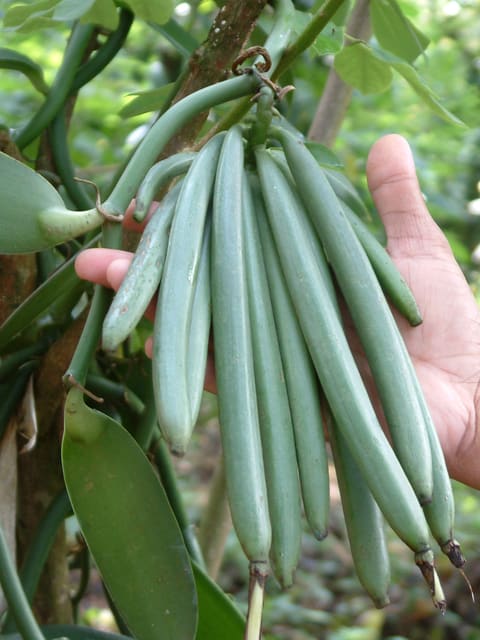
Photo: Sunil Elias · CC BY-SA 3.0
Scholarly differences
Distinguish the bottle from the cake. FDA-style pure extract is ~35% ethanol in the bottle—an intoxicating liquid. IslamQA 177030, citing Shaykh Ibn Uthaymin, permits eating vanilla when the alcohol leaves no intoxicating effect or discernible trace.
IslamQA 249339 clarifies that this is not a licence to add wine or spirits when cooking. Darul Iftaa Chicago (Hanafi) permits baking with vanilla extract when the ethanol is not date/grape wine, is not consumed as a drink, and the finished food does not intoxicate.
Drinking the extract itself is khamr (Qur'an 5:90; Sahih Muslim 2003a). Alcohol-free glycerin vanilla and synthetic vanillin avoid the debate. Two fatwa desks are not a consensus across schools or certifiers.
What decides the answer
-
Alcohol-free vanilla extract (glycerin or propylene glycol based) — as a flavour, not khamr
Halal -
Synthetic vanillin and vanilla flavour without an alcohol carrier — as a flavour
Halal -
Drinking vanilla extract itself — the bottle is ~35% ABV khamr
Haram -
Finished foods with a small culinary dose of vanilla extract: permitted by IslamQA 177030 and Darul Iftaa Chicago when no intoxicating trace remains
-
If you avoid alcohol-extracted flavours: use alcohol-free vanilla in all uses
How to verify
- Follow a named desk on alcohol-extracted flavours—IslamQA 177030 and Darul Iftaa Chicago permit regular pure vanilla extract in finished food when it cannot intoxicate; stricter practice buys alcohol-free vanilla (vegetable glycerin).
- In packaged foods, vanilla extract is usually a trace flavouring, which is the case those desks address; vanillin is synthetic and unproblematic.
- Do not drink the extract bottle.
Quick checks
- Pure vanilla extract is about 35% alcohol; scholars differ on using it in baking, and you should never drink it.
- For stricter practice, choose alcohol-free vanilla made with glycerin, or vanilla powder or paste without alcohol.
- Vanillin and “vanilla flavour” in packaged foods are usually synthetic and unproblematic.
Why this ruling
Vanilla extract is made by steeping cured vanilla beans in ethanol and water. US law requires at least 35% alcohol by volume for a product labelled “pure vanilla extract” (21 CFR § 169.175, retrieved 25 August 2026). A teaspoon of extract then disperses into a batch of cookies or a tub of ice cream. The Halal question splits on that difference: the bottle versus the finished food.
Bottle versus trace in food
The bottle on the shelf is an intoxicating alcohol extract. Drinking it is khamr: Qur'an 5:90 commands believers to avoid intoxicants (quran.com/5/90, retrieved 25 August 2026), and the Prophet said every intoxicant is khamr and every intoxicant is forbidden (Sahih Muslim 2003a, retrieved 25 August 2026). Do not sip vanilla extract.
The culinary dose in dough or ice cream is a different case. IslamQA 177030 (retrieved 25 August 2026) permits eating vanilla mixed with alcohol during preparation when the alcohol leaves no intoxicating effect or discernible trace, citing Shaykh Ibn Uthaymin: a ratio that would intoxicate if drunk as that mixture is haram; a minute, vanished amount with no effect is not. IslamQA 249339 (retrieved 25 August 2026) warns that this is not permission to add wine or spirits when cooking—only to eat a food in which alcohol has already been used and left no trace. Darul Iftaa Chicago (retrieved 25 August 2026) permits baking with vanilla extract in Hanafi terms when the ethanol is not date- or grape-wine, is not consumed as a drink, functions as a solvent, and the finished food does not intoxicate.
Those are named desks, not a claim that every school or certifier agrees. Households that avoid any alcohol-extracted flavour have a clean alternative: glycerin-based alcohol-free vanilla, or synthetic vanillin with no alcohol carrier.
Alcohol-free and imitation options
“Vanilla flavour,” “vanilla essence” (market-dependent wording), and specifically alcohol-free vanilla use glycerin, propylene glycol, or other carriers. Imitation vanillin can be Halal when the carrier is clear. For ice cream and pudding factories, ask whether they dose pure extract or an alcohol-free product.
Dr. Oetker's vanilla extract
In the UK, Dr. Oetker's Madagascan Vanilla Extract lists invert sugar syrup, glucose syrup, water and vanilla extract, and is marked suitable for vegans.[8] The label does not say whether alcohol was used to make the vanilla extract in it, or how much remains, so the rulings above apply: ask Dr. Oetker if you need the figure, or choose an alcohol-free vanilla.
Baking versus drinking
Do not drink vanilla extract. For cakes and cookies, the desks cited above treat the finished, non-intoxicating food as permissible; bakeries that want to remove the debate still prefer alcohol-free vanilla. Choose the standard that matches the authority you follow.
Where you'll find it
- Baking (cakes, cookies, brownies)
- Ice cream and custards
- Milkshakes and flavoured beverages
- Frostings and desserts
- Flavour component in chocolate and candy
Frequently asked questions
Why does vanilla extract contain alcohol at all?
Does the alcohol cook off in baking?
Is vanilla ice cream Halal?
Is vanillin Halal?
Is there Halal-certified vanilla extract?
Which vanilla should I buy if I avoid alcohol?
Is Madagascan vanilla extract Halal?
Is Dr. Oetker vanilla extract Halal?
Sources
Named Islamic, certifier, manufacturer, and regulatory sources used on this page. Inline markers like [1] jump here. Retrieval dates show when we last checked the live URL. Editorial methodology.
Islamic / scriptural
-
IslamQA 177030 — Is vanilla extract Halal?
IslamQA Retrieved
Permits eating vanilla prepared with alcohol when no intoxicating effect/trace remains; cites Ibn Uthaymin’s absorption principle. Does not permit drinking an intoxicating extract.
-
IslamQA 249339 — adding alcohol or wine to food
IslamQA Retrieved
Clarifies 177030: permissible to consume vanilla when alcohol leaves no discernible trace; not a licence to add wine or spirits in cooking.
-
Darul Iftaa Chicago — vanilla extract in food (Hanafi)
Darul Iftaa Chicago Retrieved
Permits baking with vanilla extract when the ethanol is not date/grape wine, is not drunk neat, serves as a solvent, and the finished food does not intoxicate.
-
Retrieved
Avoid intoxicants. Applies to drinking the 35% ABV extract bottle, not cited here as a ruling on trace flavour in cake.
-
Sahih Muslim 2003a — every intoxicant is khamr
Sahih Muslim (sunnah.com) Retrieved
Every intoxicant is khamr and every intoxicant is forbidden. The extract bottle at ~35% ABV is an intoxicant if drunk.
Manufacturer / product
-
Dr. Oetker Madagascan Vanilla Extract (barcode 5000254020323)
Open Food Facts (ingredient list checked on the pack photo) Retrieved
Label photo uploaded July 2020: 'Natural Vanilla Extract. Ingredients: invert sugar syrup, glucose syrup, water, vanilla extract. Suitable for Vegans.' No alcohol figure is given.
Regulatory / labelling
-
21 CFR 169.177 Vanilla flavoring
U.S. eCFR (FDA) Retrieved
Vanilla flavoring meets the vanilla extract standard except that its ethyl alcohol content is less than 35 percent by volume.
-
21 CFR § 169.175 — vanilla extract standard of identity
Retrieved
Defines pure vanilla extract as vanilla beans extracted in ethanol of at least 35% by volume. Food-identity law, not a Halal fatwa.
People also check
Related ingredients and products for this item.
Halal-conscious recipes
A substitution-led recipe that uses this analysis.
Browse this topic
Open the parent category hub for more foods in the same group.